
Blog
How to Oil and Care for Wooden Knife Handles

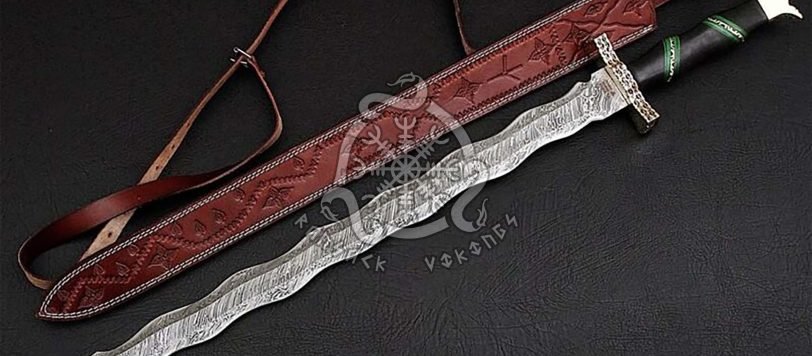
Wooden knife handle care is a five-minute monthly routine: wash the handle gently and dry it right away, rub in a thin coat of food-safe mineral oil or a beeswax-and-oil blend, let it soak in, and buff off the excess. That single habit keeps wood from drying, cracking, graying, or loosening around the tang for the life of the knife. Below is the full routine step by step, a comparison of the oils that work (and the kitchen oils that quietly ruin handles), a care schedule, and fixes for handles that are already dry, rough, or wobbly.
Why Wooden Handles Need Oil at All
Wood is a bundle of fibers that constantly exchanges moisture with the air. Left untreated, it dries and shrinks in winter heat, swells in summer humidity, and eventually checks, those fine cracks that appear along the grain. On a knife, that movement has consequences: gaps open at the tang, scales loosen around their pins, and water creeps into the joint where you cannot dry it. Oil fills the fibers so water cannot, keeping the wood dimensionally stable and the grain rich and dark. This applies equally to a chef knife used daily, a hunting knife that sees blood and weather, and a folding pocket knife living in a sweaty pocket.
Choosing the Right Oil
| Oil / Finish | Food Safe? | Dries / Hardens? | Best For |
|---|---|---|---|
| Food-grade mineral oil | Yes | No, re-apply monthly | Kitchen knives; the easy default |
| Beeswax + mineral oil blend (board butter) | Yes | Semi, wax layer adds water resistance | Kitchen and field knives |
| Pure tung oil | Yes, once cured | Yes, cures to a hard finish | Durable finish on frequently wet handles |
| Boiled linseed oil (BLO) | Not for food contact | Yes | Axe hafts, display pieces, non-kitchen tools |
| Danish/teak oil blends | Usually not | Yes | Non-food handles wanting a satin finish |
| Olive/vegetable oil | Yes, but goes rancid | No | Nothing, avoid on handles |
If you only buy one product, make it food-grade mineral oil: cheap, safe on every knife in the house, and impossible to get wrong. Stabilized wood handles (resin-impregnated) need almost no oiling at all, a wipe and occasional wax is plenty.
How to Oil a Wooden Knife Handle, Step by Step
Step 1: Clean the Handle Gently
Wash with warm water, a drop of mild dish soap, and a soft cloth, a quick wash, never a soak. Get into the junction where wood meets steel or bolster, where grime collects. Rinse and move immediately to drying. Safety note: clean toward or away from the spine, keeping your fingers off the edge path; a slippery, soapy knife is how kitchen cuts happen.
Step 2: Dry Completely
Towel-dry, then let the knife stand for an hour or two so the surface moisture in the wood evaporates. Oiling over damp wood seals water in, the opposite of the goal.
Step 3: Smooth Any Raised Grain (Only When Needed)
If the handle feels fuzzy or rough, common after the wood has gotten wet repeatedly, give it a light pass with 400 to 600 grit sandpaper, always with the grain, then wipe off the dust. Most oilings skip this step entirely.
Step 4: Apply a Thin Coat of Oil
Put a few drops on a soft cloth or directly on the wood and rub it in with your fingers, working along the grain and into every seam, pin, and the tang junction. Warmth from your hands helps it penetrate. Thin is right: the wood should look richer, not wet.
Step 5: Let It Soak, Then Buff
Give mineral oil 15 to 30 minutes (a very dry handle may drink several rounds, keep feeding it until it stops absorbing). Curing oils like tung need overnight between coats. Then buff off everything the wood did not absorb with a clean cloth. An oily film left on the surface just attracts dust and makes the grip slick.
Step 6: Optional Wax Topcoat
For knives that see water constantly, follow the oil with a thin layer of beeswax blend, let it haze, and buff to a soft sheen. The wax acts as a sacrificial water barrier that renews in seconds.
Wooden Handle Care Schedule
Daily-use kitchen knives: oil monthly, wax as needed. Field and hunting knives: oil after every hard trip and before storage. Display pieces and collectibles: oil two to three times a year, more in dry, heated houses. Everywhere: wash by hand, dry immediately, and never leave any wooden-handled knife soaking in a sink or sitting in a dishwasher, ten minutes of heat and detergent does more damage than a year of use. The blade will thank you too; pairing handle care with a quick oil wipe of the steel is the whole maintenance routine for the hand-forged blades in our Viking knife collection, all of which ship from Memphis, TN.
Mistakes That Ruin Wooden Handles
The dishwasher. Heat, steam, and alkaline detergent strip oils, bleach color, raise grain, and crack wood in a handful of cycles.
Soaking. Water wicks into the tang joint and swells the wood; repeated swell-shrink cycles loosen scales and pins.
Cooking oils. Olive and vegetable oil never dry, they oxidize into a sticky, rancid-smelling film deep in the grain.
Too much oil. A drowned handle weeps oil for weeks and turns soft. Multiple thin coats always beat one flood.
Ignoring the first signs. A pale, chalky, thirsty-looking handle is asking for oil now, wait a season and you will be sanding out cracks instead.
Reviving a Neglected Handle
A gray, dried-out handle can usually be brought back: clean it, let it dry fully, sand lightly from 320 up to 600 grit to remove the weathered surface, then feed it thin coats of oil over several days until the color deepens and evens out. Finish with wax. If the scales have genuinely loosened or a crack goes through to the tang, a knifemaker can re-pin and re-scale the handle, worth doing on a quality forged blade.
Wooden Knife Handle Care FAQ
What is the best oil for wooden knife handles?
Food-grade mineral oil is the best all-around choice: it is food safe, never goes rancid, and is nearly impossible to over-apply. Beeswax-and-mineral-oil blends add water resistance, and pure tung oil suits handles that need a harder cured finish. Reserve boiled linseed oil for non-food tools like axe hafts, and never use kitchen cooking oils.
How often should I oil a wooden knife handle?
Once a month for knives in regular use is the standard rhythm, plus an extra application any time the wood looks pale or feels dry, and always before long storage. Knives that get wet constantly may want oil every couple of weeks; display knives in stable indoor air may need it only a few times a year.
Can wooden handle knives go in the dishwasher?
No. The combination of prolonged heat, steam, and harsh detergent strips the wood’s oils, bleaches the color, raises the grain, and eventually cracks the handle, and the process also dulls and can corrode the blade. Hand wash quickly, dry immediately, and a wooden-handled knife will stay tight and handsome for decades.
My wooden handle got soaked. What should I do?
Dry it as soon as possible: towel it off, stand the knife in airy shade at room temperature, and let the wood dry slowly for a day, never on a heater or in sunlight, which dries the outside faster than the inside and causes cracks. Once fully dry, sand lightly if the grain feels raised, then re-oil generously until absorption stops.
Why is my wooden knife handle turning gray and rough?
Gray, fuzzy wood means the surface oils are gone and repeated wetting has raised the grain, the wood is weathering exactly like an old fence board. The fix is a light sanding with fine grit to remove the weathered layer, followed by several thin coats of mineral oil and a wax topcoat, plus a faster drying habit after washing.
Do stabilized wood handles need oiling?
Barely. Stabilized wood has been vacuum-impregnated with resin, so it cannot absorb meaningful oil or moisture. A wipe-down and an occasional coat of paste wax for shine is all it needs, which is why stabilized handles are popular on hard-use knives that see wet field conditions.