
This page is the arrivals shelf. It holds the most recent handmade pieces to clear inspection in Chicago, and it changes as stock moves, so what is here today is not necessarily what is here next month. Right now it is ten knives.
Three are folding pocket knives, 7.5 to 8 inches open with blades of 3 to 3.5 inches, on buffalo horn, walnut, and a laminated handle of olive wood, rosewood and bone with brass and red fibre spacers. Four are fixed blade skinners and hunters between 7.5 and 9.5 inches overall. Two of those are karambits on the curved claw profile, both full tang. The rest is a 12 inch camp knife with a 7 inch blade on olive wood, and a 13.5 inch dagger with an 8 inch blade and a square wooden inlay set into the steel.
Most are Damascus of 1095 and 15N20 at 58 to 60 HRC. Every one ships with a leather sheath. Prices run 99 to 229 dollars.
Free US shipping
On most pieces. Heavier and oversized ones carry a flat charge.
Hand Forged
Heated, hammered and ground by hand.
Engraving available
Names, dates or Norse runes on most pieces.
Ships from Chicago
Inspected and dispatched from our Chicago warehouse. No import duty, no customs delay on US orders.
New Arrival
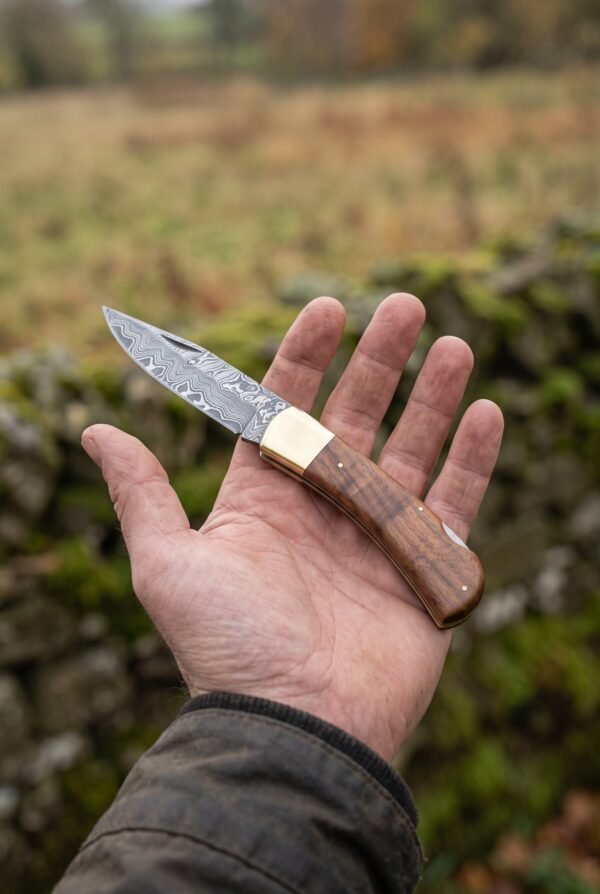
Walnutfold Hand Forged Damascus Folding Pocket Knife with Walnut Wood Handle and Brass Bolster & Handmade Leather Sheath | Everyday Carry Gift for Him | RK-1061
Original price was: $129.00.$109.65Current price is: $109.65.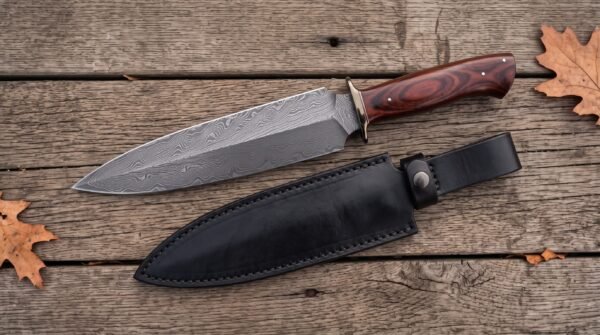
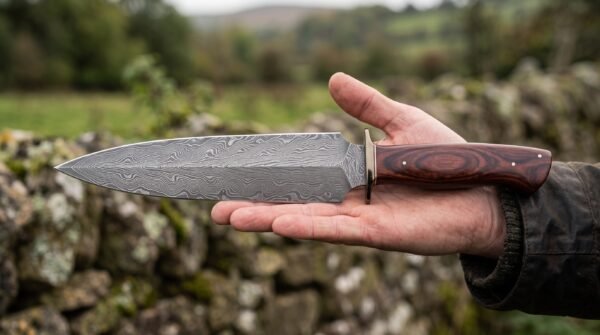
Inlayspire Hand Forged Damascus Dagger Knife with Rosewood Handle & Leather Sheath | Collector and Display Gift | RK-1069
Original price was: $229.00.$194.65Current price is: $194.65.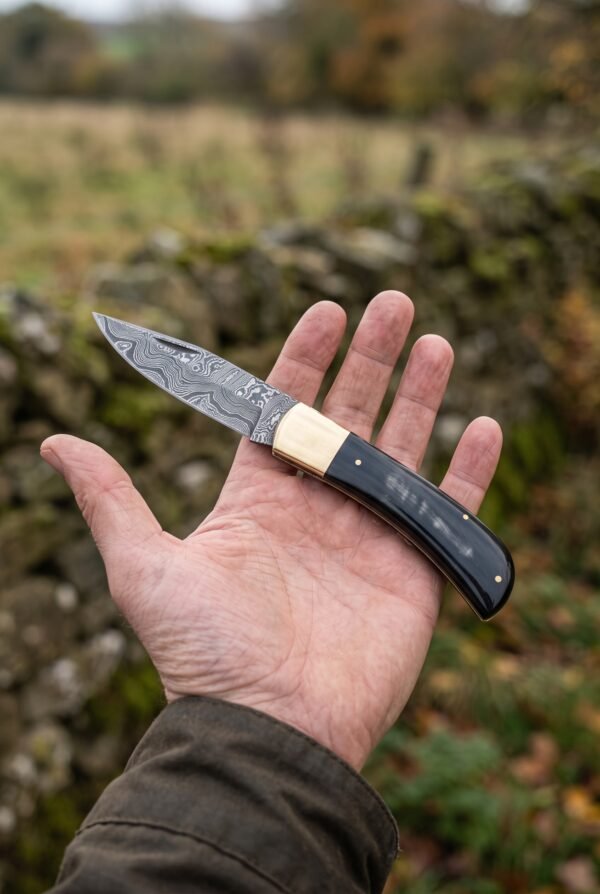
Hornedge Hand Forged Damascus Folding Pocket Knife with Buffalo Horn Handle and Brass Bolster & Handmade Leather Sheath | Everyday Carry Collector Gift | RK-1065
Original price was: $129.00.$109.65Current price is: $109.65.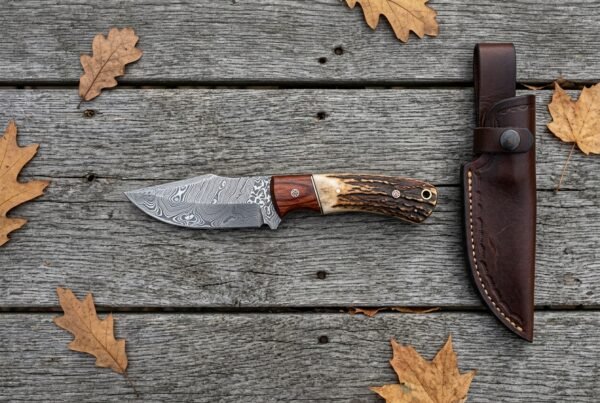
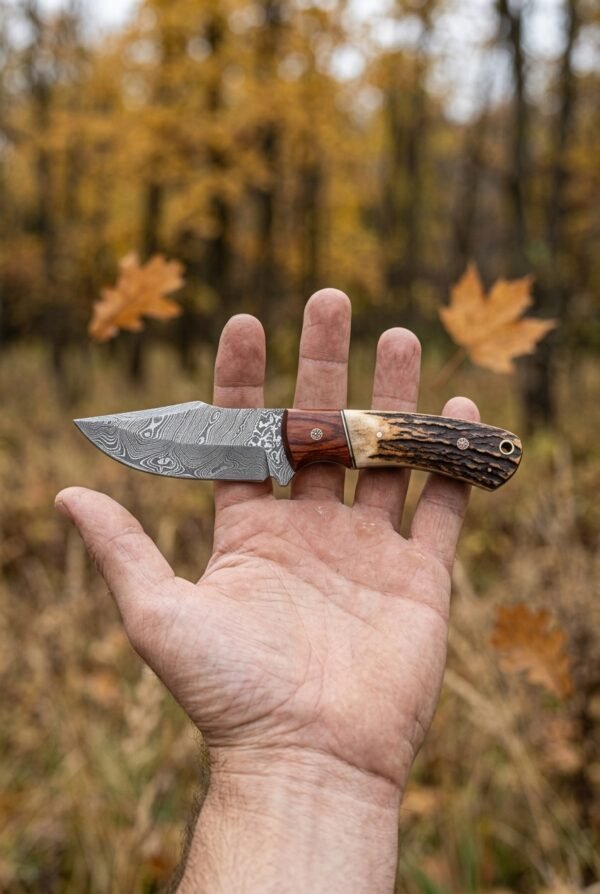
Stagrose Hand Forged Damascus Skinner Knife with Rosewood and Stag Handle & Hand Stitched Leather Sheath | Hunting Skinning Gift | RK-1102
Original price was: $169.00.$143.65Current price is: $143.65.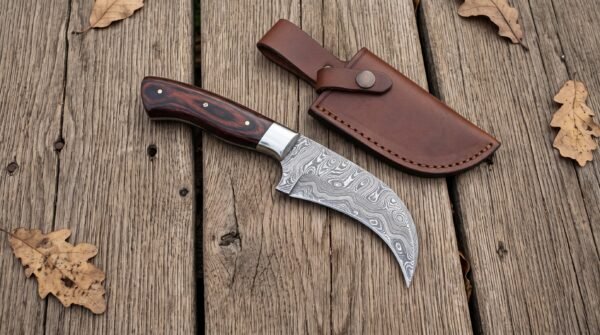
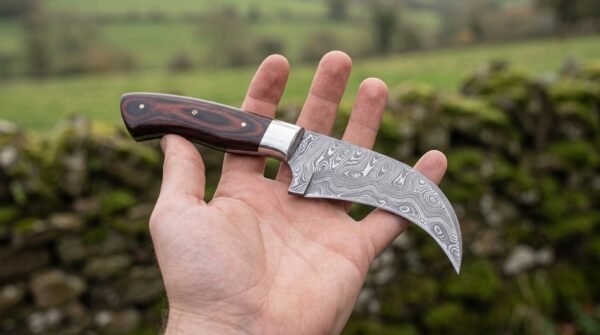
Pakkaclaw Hand Forged Damascus Hawkbill Knife with Coloured Pakka Wood Handle and Steel Bolster & Leather Sheath | Tactical Collector Gift | RK-1098
Original price was: $149.00.$126.65Current price is: $126.65.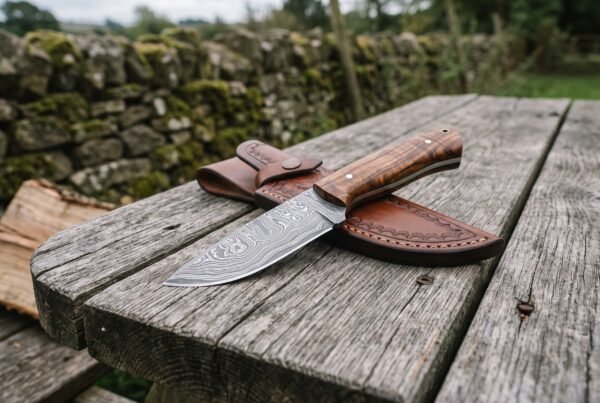
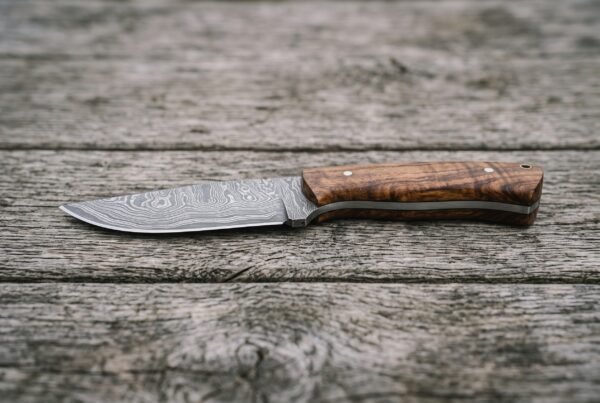
Forgeskin Hand Forged Damascus Steel Skinner Knife with Wood Handle & Leather Sheath | Hunting Skinning Gift | RK-1074
Original price was: $209.00.$177.65Current price is: $177.65.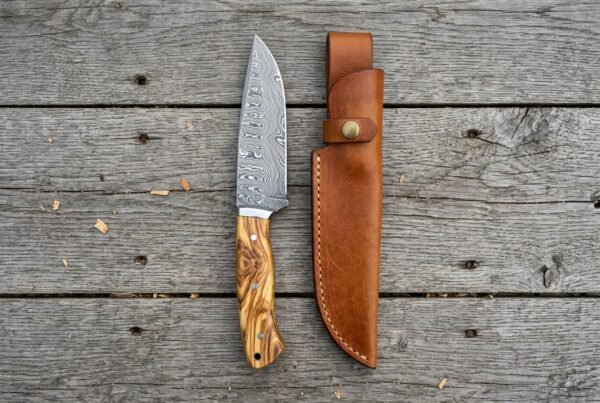
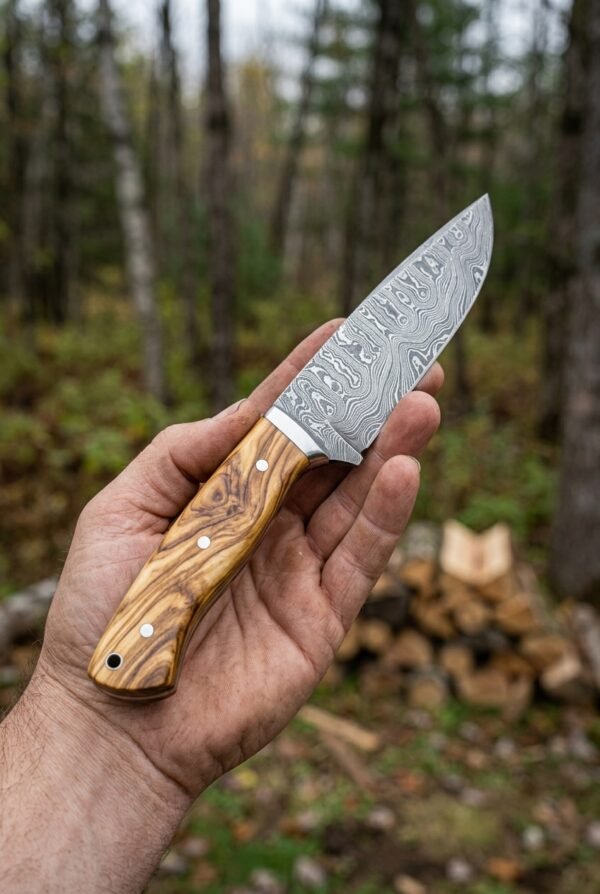
Olivecamp Hand Forged Damascus Hunting Knife with Olive Wood Handle and Steel Bolster & Handmade Leather Sheath | Bushcraft Camping and Outdoor Gift | RK-10469
Original price was: $229.00.$194.65Current price is: $194.65.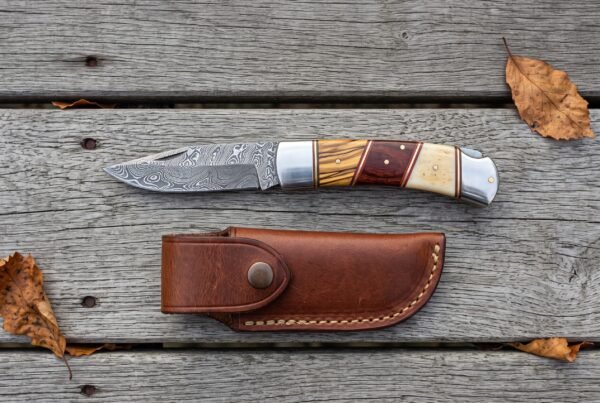
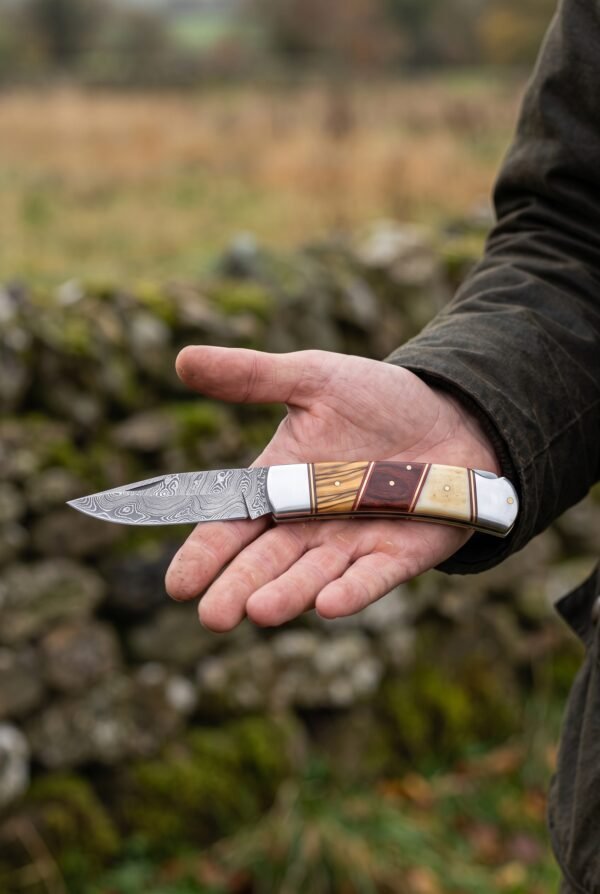
Bonebrass Hand Forged Damascus Folding Pocket Knife with Olive Wood Rosewood and Bone Handle and Brass and Red Fiber Spacers | Everyday Carry Gift | RK-1070-1
Original price was: $99.00.$84.15Current price is: $84.15.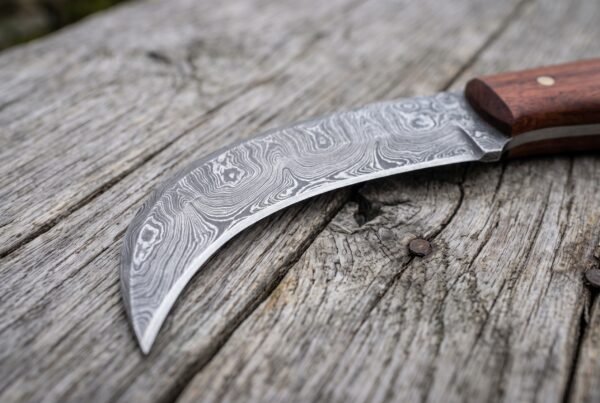
Roseclaw Hand Forged Damascus Hawkbill Knife with Rosewood Handle & Handmade Leather Sheath | Tactical Everyday Carry and Collector Gift | RK-1068
Original price was: $189.00.$160.65Current price is: $160.65.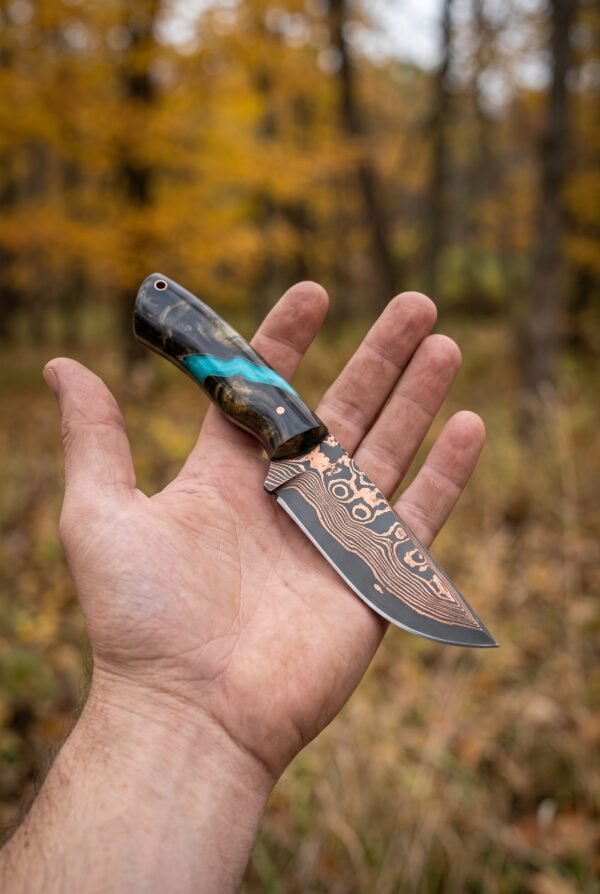
Copperskin Hand Forged Copper Damascus Skinner Knife with Resin Handle & Premium Leather Sheath and Built In Sharpener | Hunting Skinning Gift | RK-1066
Original price was: $229.00.$194.65Current price is: $194.65.What a new arrivals page is for
Everything sold here is made by hand, which means stock does not arrive in even monthly batches. A shipment clears customs, gets inspected in Chicago and goes up, and then nothing new appears for a fortnight. This page collects whatever landed most recently, and it exists because the alternative is asking you to trawl thirty category pages looking for the things you have not already seen.
The practical consequence is that this page has no theme. The current ten are all knives, but that is because the last shipments were knives, not because the category is a knife category. Read it as a shelf rather than a collection, and expect the mix to shift.
The second consequence is worth knowing before you hesitate. Handmade pieces come in small numbers, sometimes single figures for a given handle material, and when a piece here sells there may not be an identical one behind it. Two knives with the same name will differ in etch figure and in the grain of the scales, because two people made them on two different days. If a specific piece is the one you want, that is an argument against sleeping on it.
The knives in this collection
Ten pieces, split by what they are for rather than by steel, since nine of the ten are some form of pattern welded blade.
Folding pocket knives
Three folders, all around 7.5 to 8 inches open with blades of 3 to 3.5 inches and handles of 4 to 5 inches. One carries buffalo horn scales with a brass bolster, one walnut with brass, and the third is the interesting one, a laminated handle built from olive wood, rosewood and bone separated by brass and red fibre spacers, on steel bolsters. That kind of stacked handle is slow work and it is the only one on the page. All three come with a leather sheath rather than a clip, which is worth knowing if you expected a pocket clip.
Skinners
Three skinning knives, and they are not variations on one design. A 7.5 inch piece on a 3.5 inch blade in hand polished Damascus, with rosewood and stag scales and a rosewood bolster, in a hand stitched sheath. An 8 inch full tang skinner with a 4 inch blade in layered high carbon steel, quoted at 280 to 350 layers and 54 to 56 HRC, weighing 280 grams, on exotic wood, in tooled leather with a belt loop and a snap closure. And a 7.5 inch skinner with a 3.5 inch blade in copper Damascus with carbon steel, on a dual resin handle with a turquoise accent, in a premium leather sheath with a sharpener built into it.
Karambits
Two, both full tang and both Damascus at 58 to 60 HRC. The karambit is the curved Southeast Asian claw blade, cut on the inside of the curve so it works on the pull rather than the push. The larger is 9.5 inches overall with a 4.75 inch blade on plain rosewood. The smaller is 8.5 inches with a 4 inch blade on coloured pakka wood with a steel bolster. Look at the photographs before you buy, because a karambit lives or dies on how the curve fits your hand and no specification panel can tell you that.
Camp knife and dagger
Two larger fixed blades. The camp knife is 12 inches overall with a 7 inch blade in Damascus at 58 to 60 HRC, on olive wood with a steel bolster, and it is the piece here that will actually go outdoors and do work. The dagger is 13.5 inches with an 8 inch blade in plain 1095 high carbon at 54 to 58 HRC, on rosewood, and it carries a square wooden inlay set into the blade itself. That inlay is a display feature and it is the reason to buy it.
Sizes, steel and handles across the range
Every figure comes from the specification panel of a piece on this page. These are forged and ground by hand, so read them as what to expect rather than a guarantee to the millimetre.
| Piece | Overall length | Blade | Handle | Steel and hardness | Sheath |
|---|---|---|---|---|---|
| Folding pocket knife | 7.5 in open | 3.5 in | Olive wood, rosewood and bone with brass and red fibre spacers, steel bolsters | Damascus, 1080 and 15N20, 58 to 60 HRC | Cow leather |
| Folding pocket knife | 7.5 in open | 3.3 in | Buffalo horn with brass bolster, 4 in | Damascus, 1095 and 15N20, 58 to 60 HRC | Handmade leather |
| Folding pocket knife | 8 in open | 3 in | Walnut with brass bolster, 5 in | Damascus, 1095 and 15N20, 58 to 60 HRC | Handmade leather |
| Skinner | 7.5 in | 3.5 in | Rosewood and stag with rosewood bolster, 4 in | Damascus, hand polished, 58 to 60 HRC | Hand stitched genuine leather |
| Skinner | 7.5 in | 3.5 in | Dual resin with turquoise accent, 4 in | Copper Damascus with carbon steel | Premium leather with a built in sharpener |
| Skinner, full tang | 8 in | 4 in | Exotic wood, 4 in, 280 grams overall | Layered high carbon, 280 to 350 layers, 54 to 56 HRC | Tooled leather, belt loop and snap |
| Karambit, full tang | 8.5 in | 4 in | Coloured pakka wood with steel bolster, 4.5 in | Damascus, 1095 and 15N20, 58 to 60 HRC | Genuine leather |
| Karambit, full tang | 9.5 in | 4.75 in | Rosewood, 4.75 in | Damascus, 1095 and 15N20, 58 to 60 HRC | Handmade leather |
| Camp knife | 12 in | 7 in | Olive wood with steel bolster, 5 in | Damascus, 1095 and 15N20, 58 to 60 HRC | Handmade leather |
| Dagger | 13.5 in | 8 in | Rosewood, 5.5 in, square wooden inlay in the blade | 1095 high carbon, 54 to 58 HRC | Handcrafted leather |
One figure to read properly. On the folders, the overall length is measured open. Fold one and you get roughly the handle length, which is 4 to 5 inches here.
Sizing and how they carry
Blade length is the number that decides what a knife is good for. Three to 3.5 inches is everyday carry territory, useful for boxes, rope and food and legal to carry in more places than a longer blade. Around 4 inches is the working size for skinning and general field use. Seven and 8 inch blades are camp and display pieces and neither will fit in a pocket or a decent number of legal definitions.
Carry is worth thinking about too. None of the folders here has a pocket clip, and each comes with a leather sheath instead, so they carry on a belt rather than in the seam of your jeans. The full tang skinner ships in tooled leather with a belt loop and a snap closure, which is the most secure carry on the page. Check your local rules before you carry any of these, and knife laws by state is a starting point rather than legal advice.
Handle length matters more than people expect. The 5 inch handles on the walnut folder and the camp knife suit a large hand. The 4 inch handles will feel short if you have big palms, and better if you do not.
Steel and hardness
Two house specifications run through almost everything here. Plain 1095 high carbon is hardened to 54 to 58 HRC, which is the dagger on this page, and it takes a keen edge and comes back easily on a stone. Damascus of 1095 and 15N20 is forge welded, folded and acid etched, hardened to 58 to 60 HRC, and it holds an edge a little longer. The 15N20 carries nickel, which resists the acid, so after etching the two steels sit at slightly different depths and read as light and dark bands.
Three panels here list something else, and they say so honestly rather than pretending. One folder is quoted as 1080 and 15N20, one skinner as a layered high carbon blade of 280 to 350 layers at a slightly softer 54 to 56 HRC, and one skinner as a copper Damascus with carbon steel, which is where the warm tone in the pattern comes from. Read the specification panel on the individual product page and take it at face value.
None of this is stainless. Carbon steel and pattern welded carbon steel both rust if you leave them wet or leave fingerprints on them, and on an etched blade a rust spot sits in the pattern where it is hard to remove without disturbing the etch. Damascus steel care covers that properly, and real versus fake Damascus is worth reading if you are new to it.
Handles, bolsters and sheaths
Handle materials here run to buffalo horn, walnut, rosewood, olive wood, stag, bone, pakka wood, exotic wood and resin. The natural materials all move slightly with humidity and none of them likes a dishwasher or a long soak. Stag and horn are the most characterful and the most variable, and no two pieces will match.
Bolsters are brass or steel, fitted at the front of the handle where your fingers meet the blade. On a folder the bolster also carries the pivot, so it is structural rather than decorative. The laminated folder here uses brass and red fibre spacers between the wood and bone sections, which is a traditional way of building a handle out of small offcuts and looks far better than it has any right to.
Every piece ships with leather. The range runs from a plain cow leather sheath through hand stitched and handcrafted sheaths to a tooled sheath with a belt loop and a snap, and one premium sheath with a sharpener built into the body of it. Do not store the knife in the sheath long term, because leather holds damp against steel and an etched blade will spot.
Care and storage
Wipe the blade after use, particularly after cutting anything acidic. Then a thin film of mineral oil or a food safe blade oil, applied and wiped almost dry. On Damascus this matters more than on plain carbon steel, because the etch leaves the surface very slightly textured and moisture sits in it.
Hand wash and dry immediately. A dishwasher will strip an oiled wood handle, loosen glued scales and dull an etch in one cycle. Wood and horn handles take a little mineral oil or a board conditioner once or twice a year, and the leather takes a wax or a conditioner on the same schedule.
Sharpening is straightforward on all of these. Carbon steel at 54 to 60 HRC works on any decent whetstone, and the guide on sharpening with a whetstone covers the angle and the stroke. The exception is the karambit, which is a curved edge and needs a rod or a small round stone worked section by section along the arc.
Engraving
Most of these can be engraved after they arrive in the United States. On a fixed blade the flat above the ricasso and the bolster are the usable surfaces. On a folder the bolster is usually the only real option, since the blade is short and mostly edge.
Text engraving is 19 dollars, a symbol is 39 dollars and a family crest is 49 dollars. Elder Futhark is a phonetic alphabet rather than a code, so a name is transliterated by sound and there is no rune for the letter C. Engraving is permanent and an engraved piece cannot be returned, so check the spelling twice before you order.
Where these come from and how they ship
Ransack Viking is a US company based in Chicago, Illinois. The pieces are handmade in the Czech Republic, then imported, inspected and shipped from Chicago. Engraving is done in the US after arrival.
Because everything here is made by hand, the etch figure on two Damascus blades of the same model will differ, and so will the grain and colour of wood or horn scales. That is the nature of the process rather than a defect. New arrivals ship from the same Chicago stock as everything else, so nothing on this page is on backorder from overseas.
How to choose
Work backwards from use. For a pocket knife you will actually carry, take one of the three folders and pick the handle you like, because the blades are within half an inch of each other. For hunting, take a skinner, and the full tang one with the belt loop sheath is the most practical of the three. For general outdoor work, the 12 inch camp knife is the only piece here with enough blade to matter.
For display, take the dagger with the wooden inlay in the blade, because you will not see that construction often. If you want the piece with the most work in it, the laminated folder with the brass and fibre spacers is 99 dollars and the cheapest thing on the page, which makes very little sense and is not a complaint.
Browse related categories
- Folding pocket knives
- Damascus skinner knives
- Karambit knives
- Hunting knives
- All Damascus knives
- Daggers and double edged blades
Guides worth reading first
- What Damascus steel actually is
- Real versus fake Damascus steel
- Knife blade shapes and what each is good at
- The complete knife care guide
Frequently asked questions
How often does this page change?
Whenever a shipment clears inspection in Chicago, which is not on a fixed schedule. Pieces move off this page as newer stock arrives and they stay in their permanent category, so nothing disappears from the site when it leaves here.
Are these knives one of a kind?
Not exactly, but close enough to matter. Models repeat, individual knives do not. The etch figure on a Damascus blade and the grain of a horn or stag handle are unrepeatable, so the specific knife in the photograph is the one you get.
What is the difference between the 1095 and the Damascus blades?
Plain 1095 high carbon is a single steel hardened to 54 to 58 HRC. It sharpens quickly and it is the simplest thing to maintain. Damascus is 1095 forge welded with 15N20, folded, ground and acid etched, hardened to 58 to 60 HRC, so it holds an edge a little longer and carries a visible pattern. Neither is stainless.
Do the folding knives have a pocket clip?
No. All three ship with a leather sheath instead, so they carry on a belt. If a clip is what you need, check the individual product page before ordering rather than assuming.
What is a karambit for?
It is a curved claw blade from Southeast Asia, sharpened on the inside of the curve so it cuts on the pull. Historically it started as an agricultural tool. It is a specialist shape, and if you want a general purpose knife it is the wrong choice here.
Why does one skinner have a lower hardness than the others?
Its panel lists 54 to 56 HRC against 58 to 60 on the Damascus pieces. Slightly softer steel is tougher and easier to bring back on a stone, at the cost of holding an edge quite as long. On a skinner that gets used and resharpened often, that is a reasonable trade rather than a compromise.
Can I put these in the dishwasher?
No. One cycle will strip the oil out of a wood handle, work at glued scales and dull the etch on a Damascus blade. Hand wash, dry immediately, and put a thin film of oil on the blade.
Which one should I buy as a gift?
A folder, and add engraving on the bolster. It is the only category here that suits someone whose preferences you do not know, it carries easily, and at 99 to 129 dollars it does not commit you to a guess about blade shape.
Featured pieces
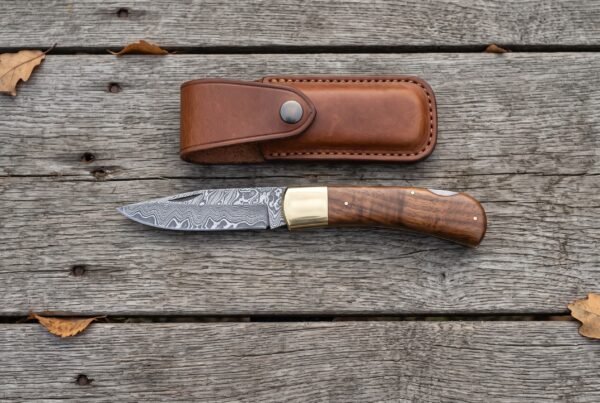 Walnutfold Hand Forged Damascus Folding Pocket Knife with Walnut Wood Handle and Brass Bolster & Handmade Leather Sheath
Original price was: $129.00.$109.65Current price is: $109.65.
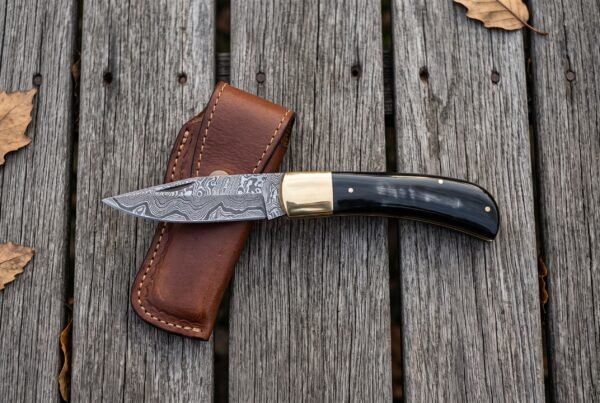 Hornedge Hand Forged Damascus Folding Pocket Knife with Buffalo Horn Handle and Brass Bolster & Handmade Leather Sheath
Original price was: $129.00.$109.65Current price is: $109.65.
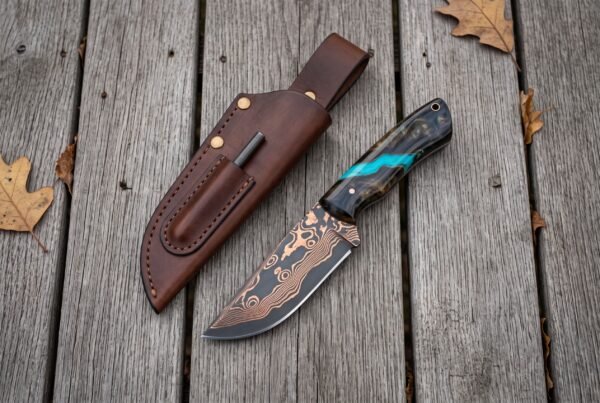 Copperskin Hand Forged Copper Damascus Skinner Knife with Resin Handle & Premium Leather Sheath and Built In Sharpener
Original price was: $229.00.$194.65Current price is: $194.65.
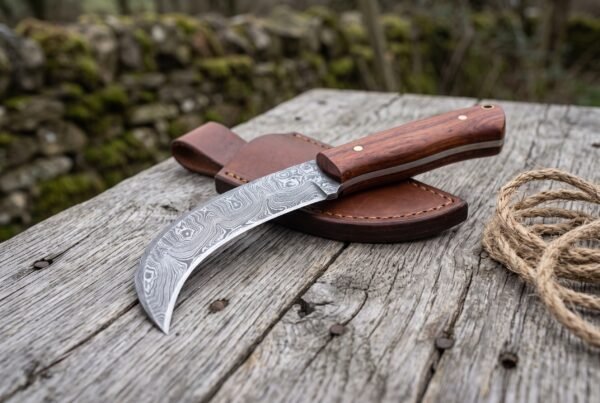 Roseclaw Hand Forged Damascus Hawkbill Knife with Rosewood Handle & Handmade Leather Sheath
Original price was: $189.00.$160.65Current price is: $160.65.