
Plate armour is steel formed to the shape of a body. Not links, not scales, not plates sewn to a jacket, but sheet raised and planished until it holds a curve, then articulated with sliding rivets so the wearer can still move. Curve is the whole point. A rounded breastplate turns a thrust aside instead of taking it square, which is why armour got smoother and more domed as the centuries went on.
This page runs from a single breastplate to two complete harnesses. Most pieces are 18 gauge mild steel at about 1.2 mm, with the great helms in heavier 16 gauge at about 1.5 to 1.6 mm. Listed weights start at roughly 2 lb for a pair of gauntlets and run to 48 and 50 lb for a full suit. Finishes are bright polish, satin brush, blackened oxide, a bronze tone and one lacquered black lamellar set laced in crimson cord.
All of it is display and light reenactment weight. None of it is rated for full contact combat, and every listing says so.
Free US shipping
On most pieces. Heavier and oversized ones carry a flat charge.
Hand Forged
Heated, hammered and ground by hand.
Engraving available
Names, dates or Norse runes on most pieces.
Ships from Chicago
Inspected and dispatched from our Chicago warehouse. No import duty, no customs delay on US orders.
Plate Armor
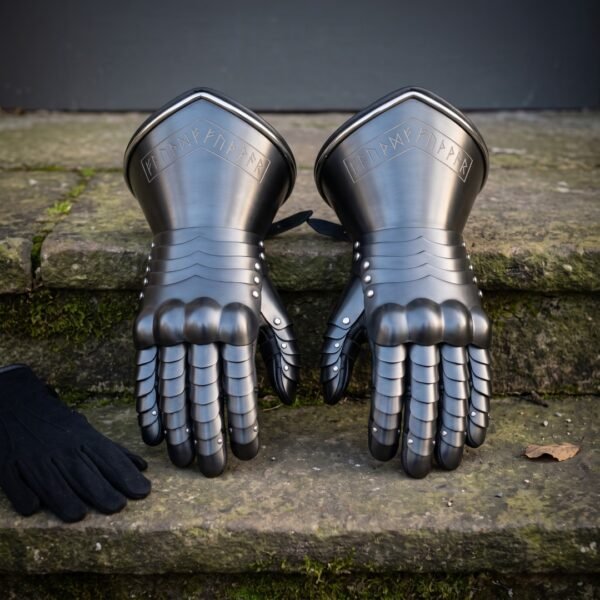
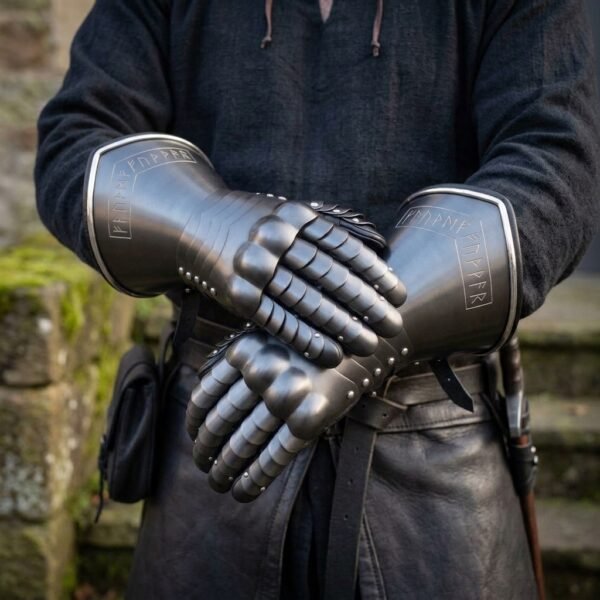
Gripfast Hand Forged Steel Plate Gauntlets with Articulated Finger Lames & Elder Futhark Engraved Cuffs | Medieval Reenactment Gift | RK-1434
Original price was: $299.00.$239.20Current price is: $239.20.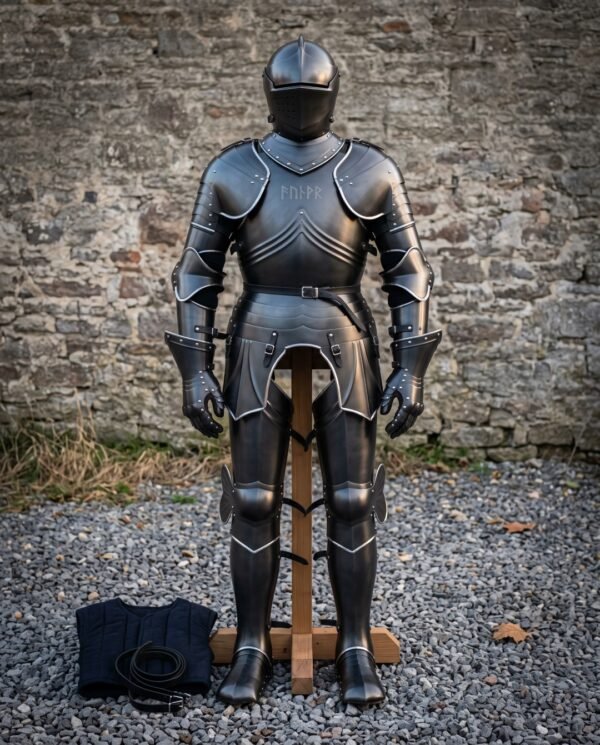
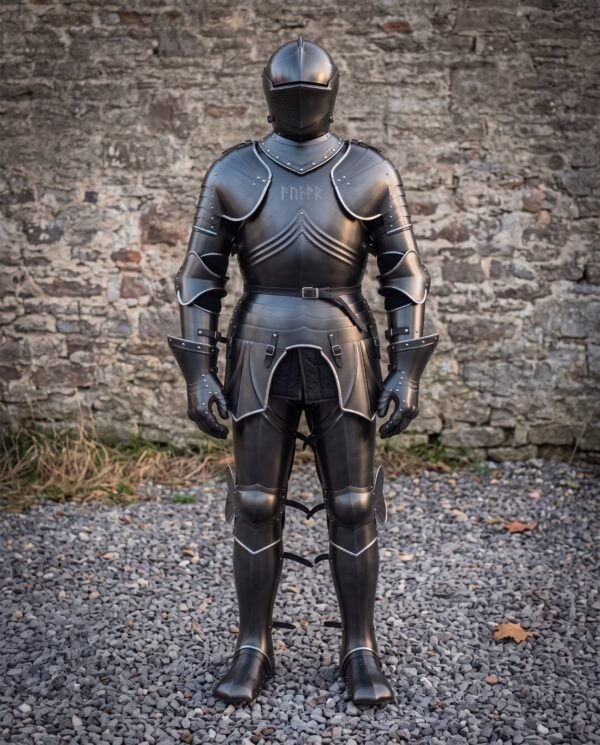
Nightplate Hand Forged Steel Full Suit of Plate Armour | Blackened 18 Gauge | Articulated Pauldrons Gauntlets and Sabatons | Medieval Display Gift | RK-1551
Original price was: $1,749.00.$1,399.20Current price is: $1,399.20.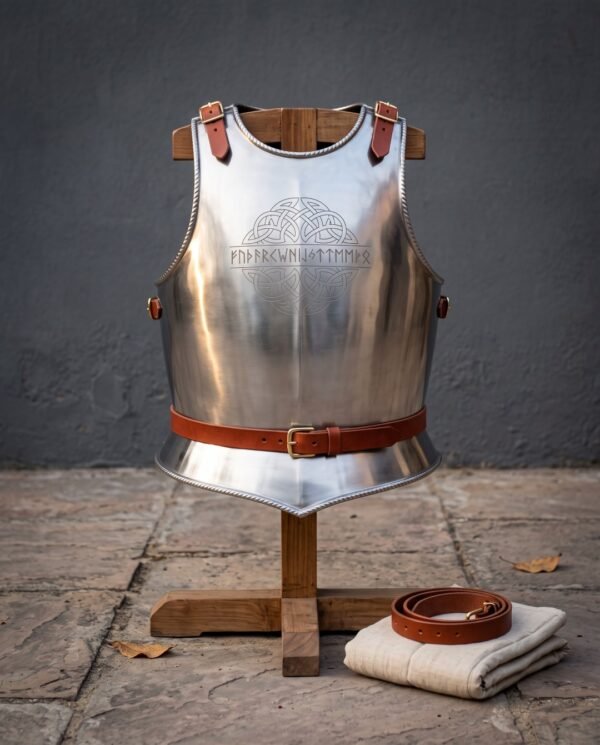
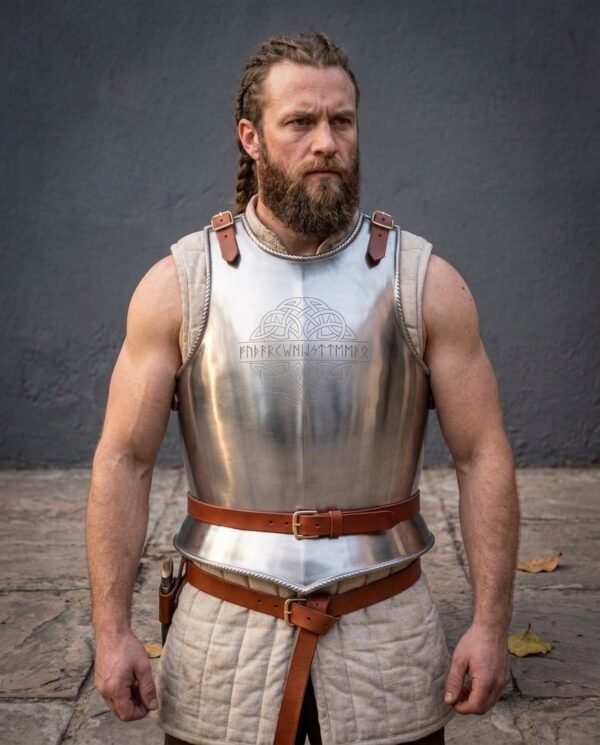
Runeheart Hand Forged Steel Breastplate Cuirass | 18 Gauge Mild Steel | Roped Edges, Chased Knotwork and Leather Harness | Norse Display Gift | RK-1471
Original price was: $429.00.$343.20Current price is: $343.20.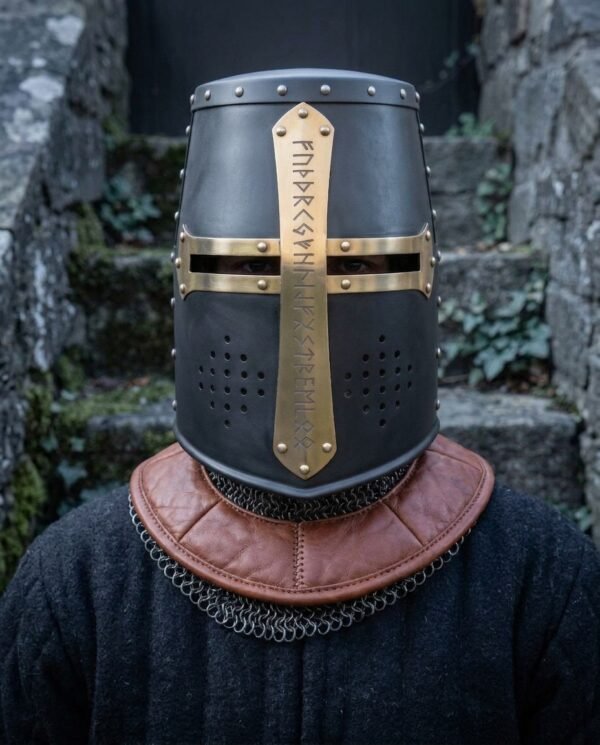
Duskwarden Hand Forged Blackened Steel Great Helm Crusader Helmet | 16 Gauge Flat Top | Brass Rune Cross Vision Slits and Drilled Breaths | Knight Display Gift | RK-1502
Original price was: $409.00.$327.20Current price is: $327.20.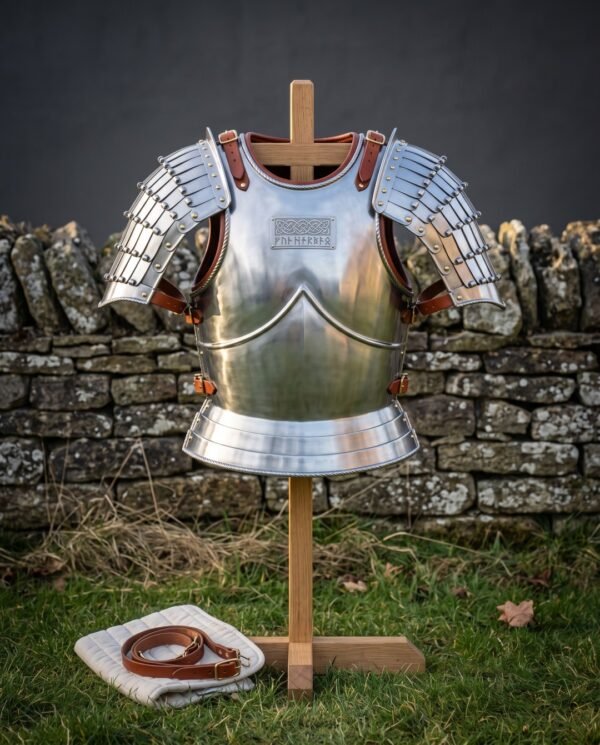
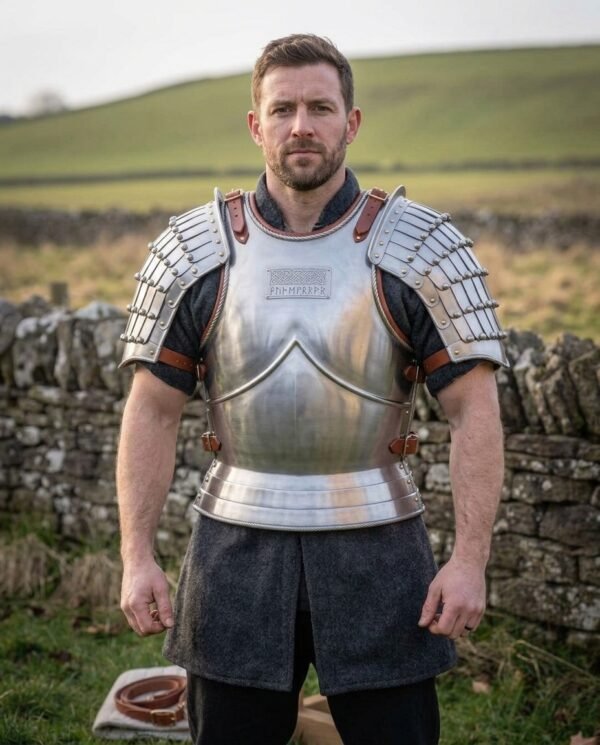
Skaldplate Hand Forged Steel Cuirass with Articulated Pauldrons | 18 Gauge Mild Steel | Roped Edges, Hooped Fauld and Rune Plaque | Norse Armour Gift | RK-1477
Original price was: $649.00.$519.20Current price is: $519.20.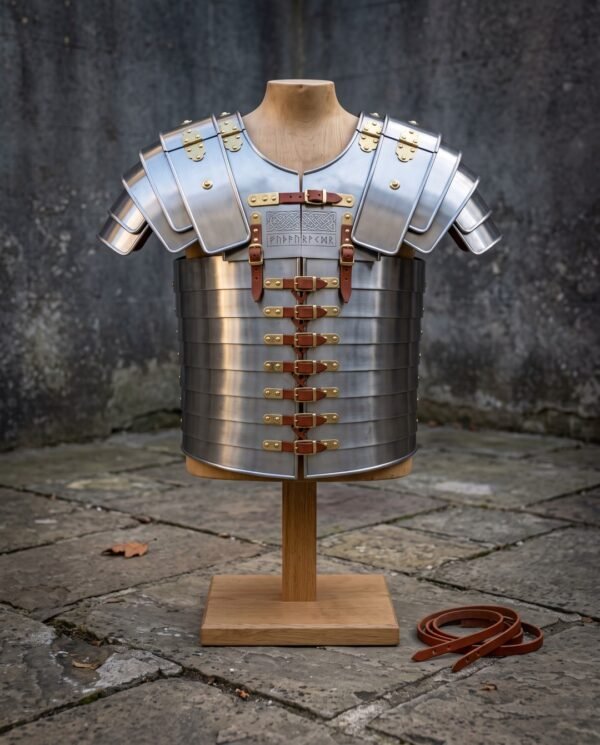
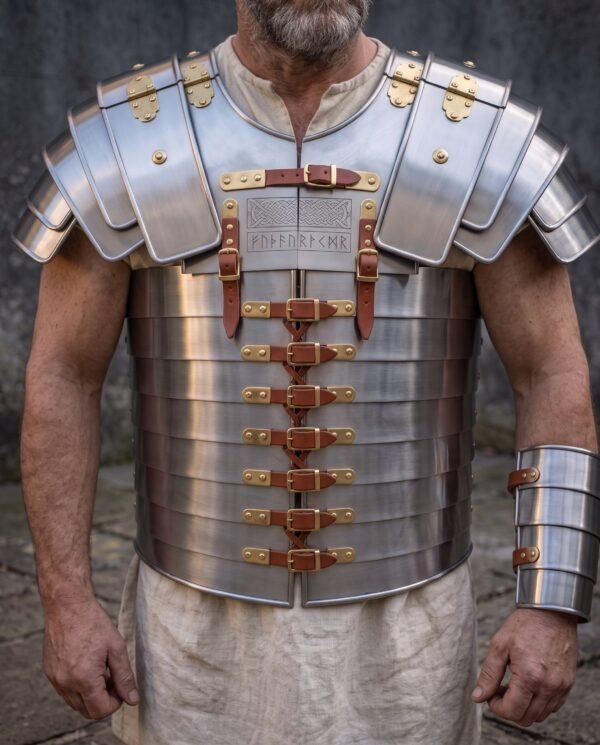
Legiondrake Hand Forged Steel Lorica Segmentata Cuirass | 18 Gauge Banded Plate | Brass Buckles and Leather Straps | Roman Reenactment Gift | RK-1510
Original price was: $649.00.$519.20Current price is: $519.20.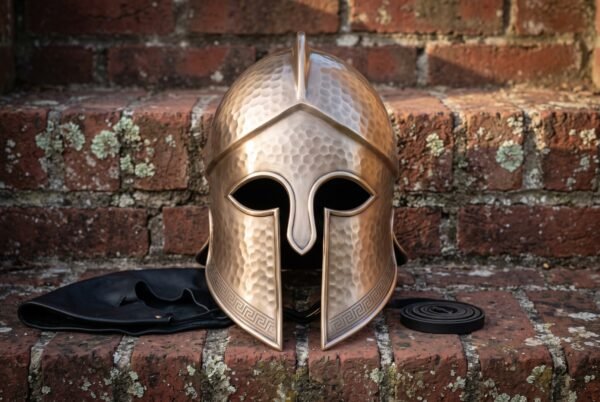
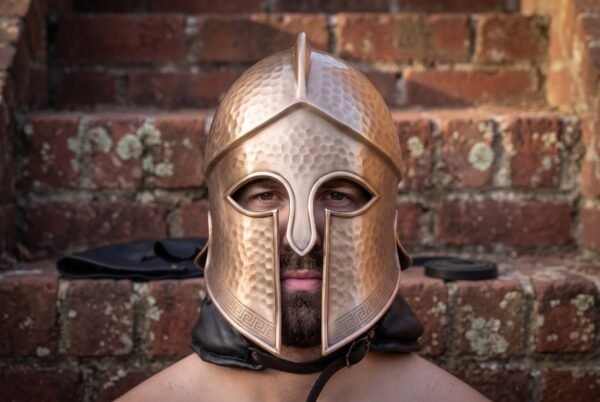
Bronzecrest Hand Forged Steel Corinthian Greek Helmet | 18 Gauge Bronze Tone Finish | Hammered Crown and Greek Key Border | Hoplite Reenactment Gift | RK-1550
Original price was: $339.00.$271.20Current price is: $271.20.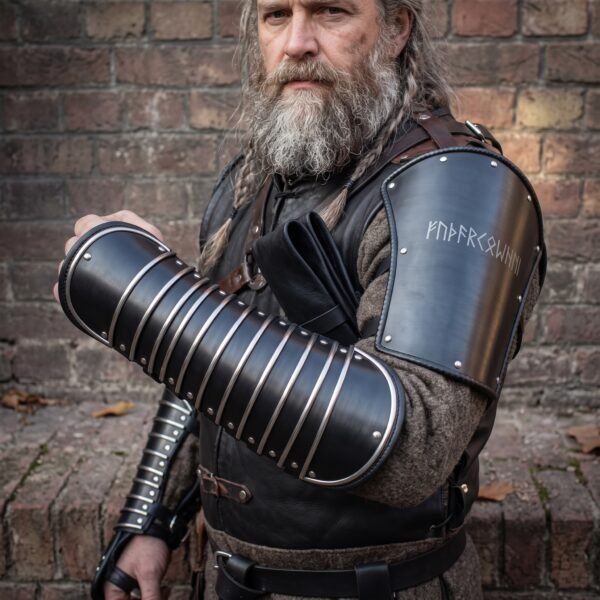
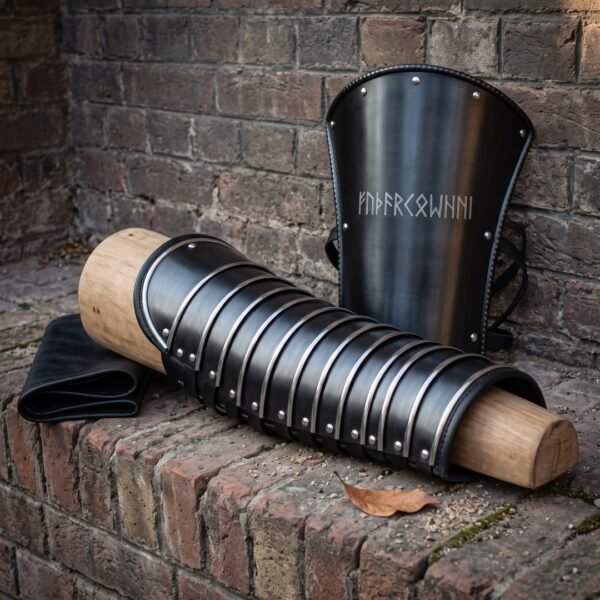
Nightband Hand Forged Blackened Steel Manica and Rune Cut Bracer Set | 18 Gauge Articulated Lames | Black Leather Straps | Norse LARP Gift | RK-1520
Original price was: $319.00.$255.20Current price is: $255.20.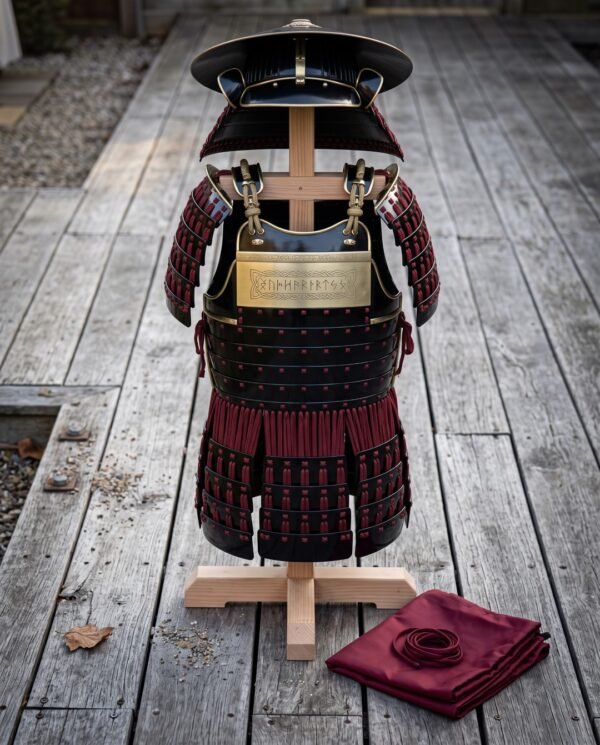
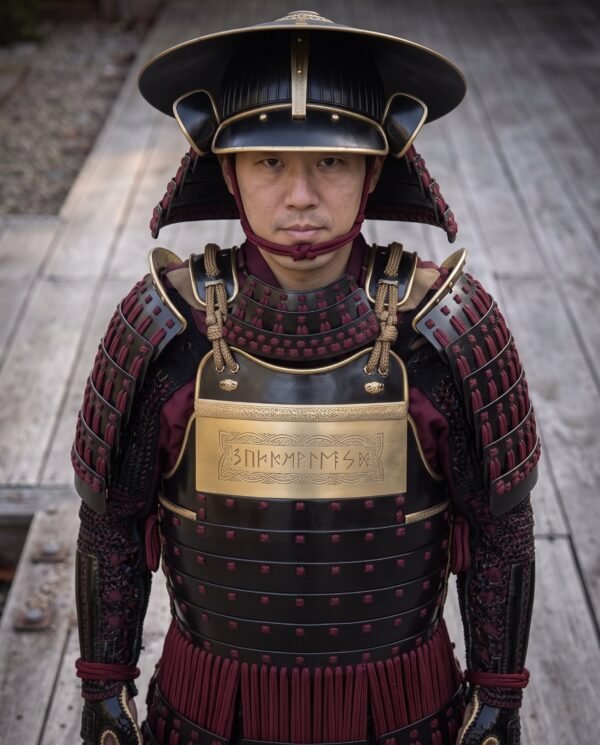
Crimsonlace Hand Made Lacquered Steel Samurai Lamellar Armour Suit | Full Do Sode and Kusazuri | Crimson Lacing Brass Plaque and Jingasa | Display Gift | RK-1543
Original price was: $1,650.00.$1,320.00Current price is: $1,320.00.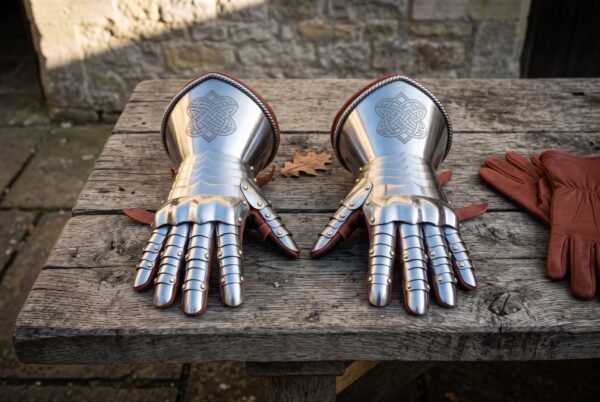
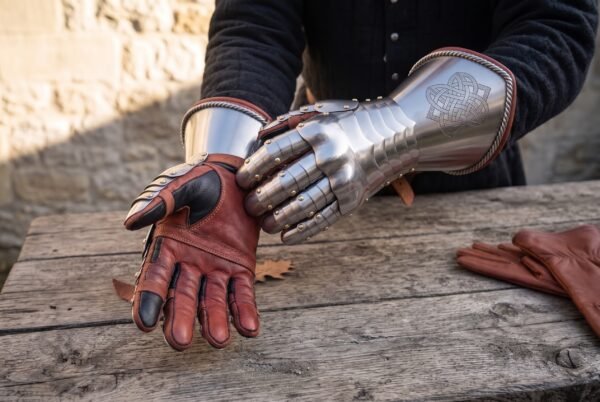
Handwarden Hand Forged Steel Plate Gauntlets with Articulated Finger Lames & Knotwork Etched Cuffs | Knight Armour Gift | RK-1457
Original price was: $349.00.$279.20Current price is: $279.20.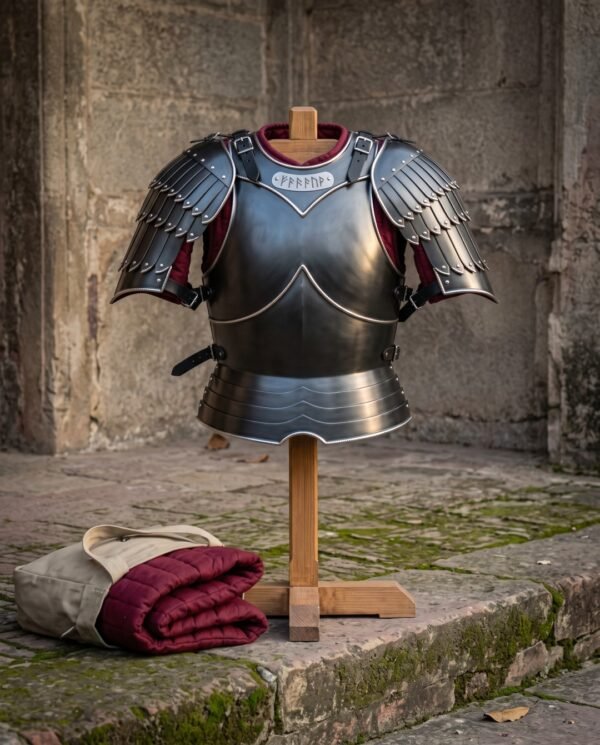
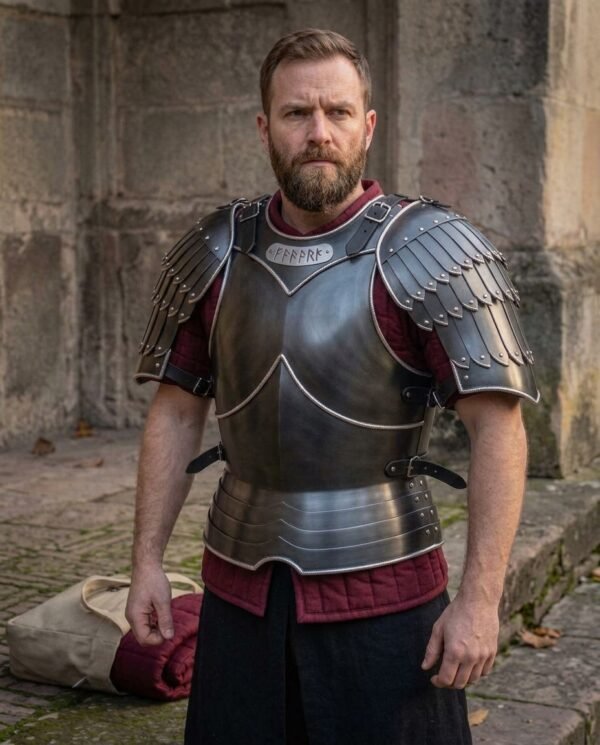
Nightplate Hand Forged Blackened Steel Cuirass with Pauldrons | 18 Gauge Mild Steel | Burgundy Wool Lining, Hooped Fauld and Rune Plaque | Norse Gift | RK-1479
Original price was: $699.00.$559.20Current price is: $559.20.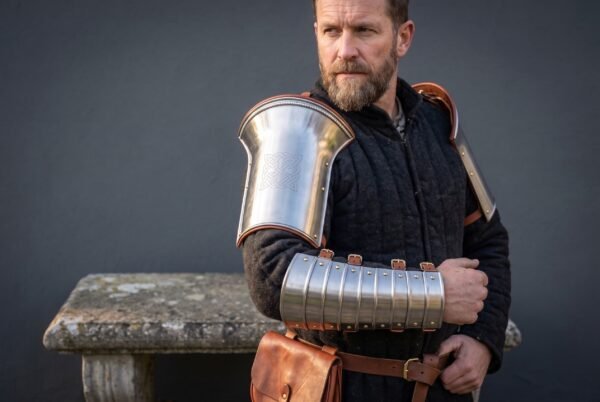
Bandwarden Hand Forged Steel Manica Arm Guard and Flared Bracer Set | 18 Gauge Articulated Bands | Brass Rivets and Russet Leather | Reenactment Gift | RK-1517
Original price was: $299.00.$239.20Current price is: $239.20.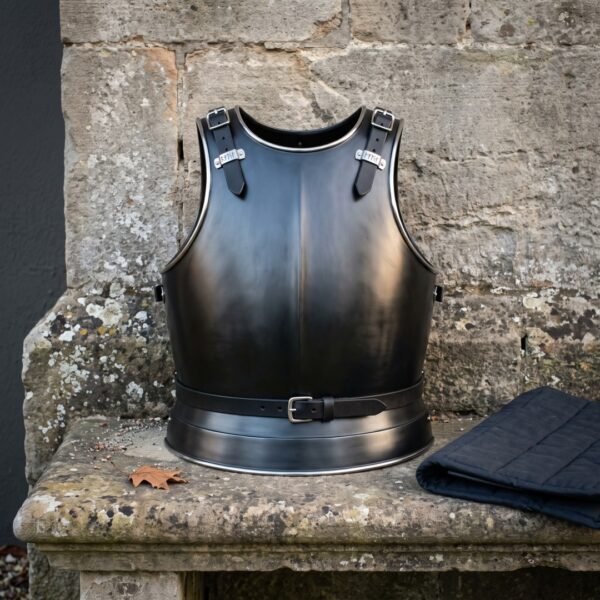
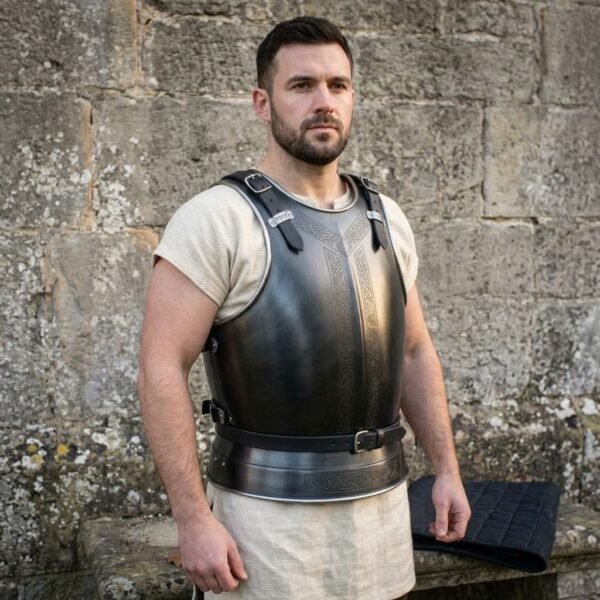
Nightplate Hand Forged Blackened Steel Plate Cuirass Breastplate | 16 Gauge Mild Steel | Articulated Fauld, Runed Buckles and Leather Waist Belt | Knight Armour Gift | RK-1462
Original price was: $499.00.$399.20Current price is: $399.20.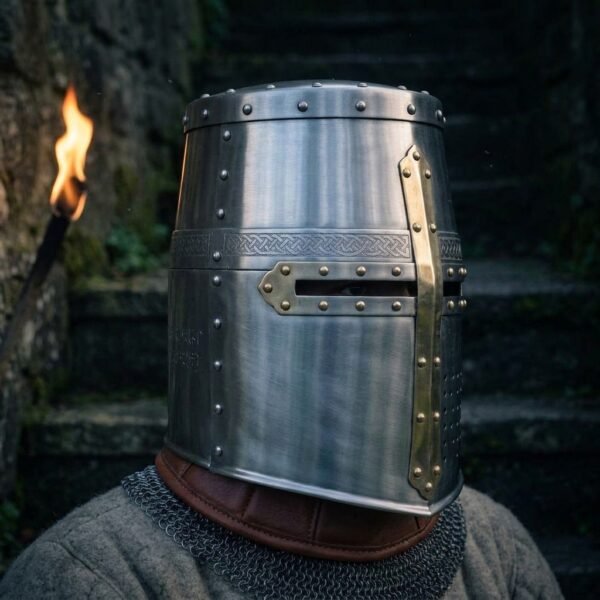
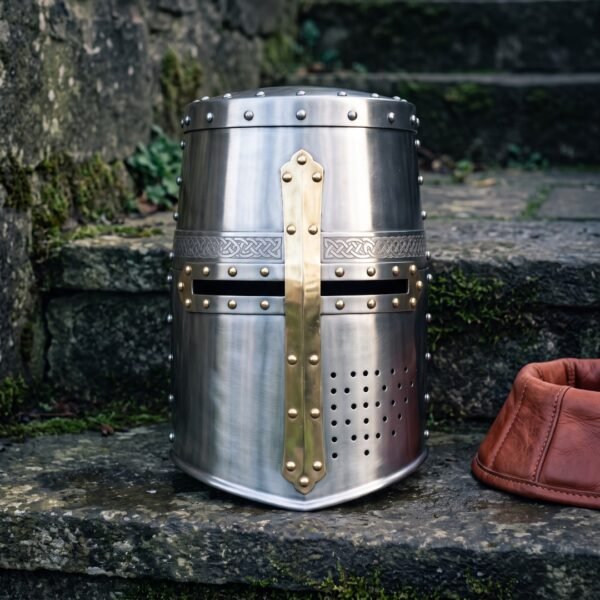
Grimward Hand Forged Steel Great Helm | 16 Gauge Riveted Crusader Helmet | Brass Cross Reinforce and Knotwork Engraved Band | Display Gift | RK-1523
Original price was: $409.00.$327.20Current price is: $327.20.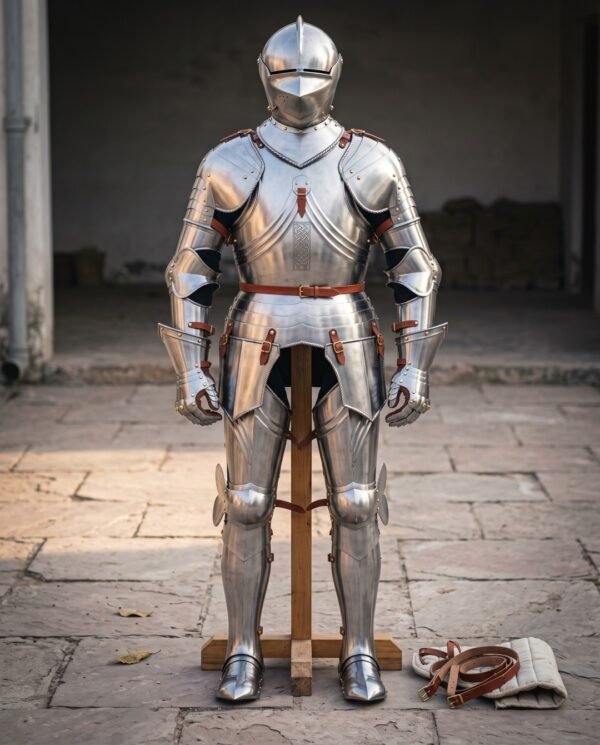
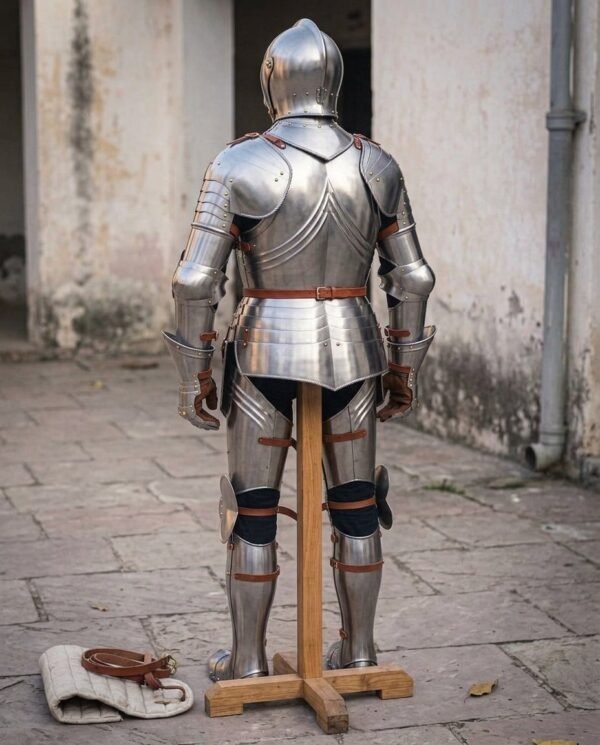
Steelmarch Hand Forged Steel Full Plate Armour Suit | 18 Gauge Wearable Harness | Visored Close Helm with Articulated Limbs and Gauntlets | Medieval Display Gift | RK-1583
Original price was: $1,690.00.$1,352.00Current price is: $1,352.00.Why plate is shaped the way it is
A flat sheet of steel is a bad idea. It takes a hit square, it flexes, and it transfers everything through to whatever is behind it. Curve the same sheet and two things change. The shape becomes far stiffer for the same thickness, so a thin plate stops behaving like a lid, and an incoming point meets the surface at an angle and slides off instead of biting. Every breastplate on this page has a central ridge or a peak for exactly that reason, and the ones with rolled and roped edges are stiffened again at the borders where a flat edge would fold.
The second problem is that a person needs to bend. The answer, worked out over about two hundred years of European armouring, is the lame: a narrow band of plate that overlaps the one below it and is fixed with a sliding rivet, a rivet through a slot rather than a hole. The joint opens and closes as the limb moves and the overlap never leaves a gap. You will find sliding rivets on the pauldrons, the faulds, the manica arms, the gauntlet knuckles and every articulation in the two full harnesses here.
The last part is that plate is a system, not a garment. It was always worn over something padded, and it was always tied or strapped to that padding rather than hung off the shoulders. Skipping the padded layer is the single most common mistake, and it makes good armour feel terrible.
The armour in this collection
Fifteen pieces sit on this page, from a pair of gauntlets to a full harness. They sort into four groups by how much of the body they cover.
Full harnesses
Two complete suits, both 18 gauge throughout. One is polished bright and runs a close helm, gorget, breastplate and backplate, pauldrons, arm harness, gauntlets, fauld and tassets, leg harness and sabatons, at about 48 lb complete, built to fit roughly 5 ft 9 to 6 ft 0 with a 40 to 44 inch chest. The other is blackened with bright edges, carries a fluted breastplate and an Elder Futhark rune line across the upper chest, and runs about 50 lb for a 38 to 44 inch chest at 5 ft 8 to 6 ft 1. Neither includes an arming doublet, and both need one.
Cuirasses and breastplates
Four pieces covering the torso. Two are cuirasses with articulated pauldrons and a hooped fauld, one blackened with burgundy wool at the collar and arm openings at about 13 lb 8 oz, one bright with rolled and roped edges and brass lame rivets at about 13 lb. One is a front breastplate alone with a central ridge and a peaked lower edge at about 6 lb. The fourth is a heavier 16 gauge blackened breastplate with an articulated fauld band, supplied as a front plate with no backplate. All are made to a stated chest measurement and fit roughly 38 to 46 inches depending on the piece.
Arms and hands
Two manica and bracer sets, both 18 gauge, with overlapping articulated lames running from the wrist to above the elbow on internal leather straps. One is blackened with a rune cut bracer face, one is bright polished with brass rivets, russet leather and an engraved knotwork panel. Both weigh 2.5 to 3.5 lb for the set. Two pairs of gauntlets sit alongside them, both finger gauntlets with individually articulated lames on every digit, one polished bright on a full grain leather glove base with an etched bell cuff, one blackened satin with scaled fingers, a separate thumb train and rune cut cuffs at about 2 to 2.5 lb the pair.
Helmets and the outliers
Two great helms in 16 gauge, both riveted plate construction with brass cross reinforces, twin horizontal vision slits and drilled breath fields, at 7 to 9 lb. One Corinthian helmet, hand raised and planished with a bronze tone finish, a hammer textured crown and an engraved Greek key border, at about 4 lb 8 oz. One lorica segmentata in banded 18 gauge plate with brass hinges and buckles, 19 to 22 lb, splitting into two girdle halves and two shoulder units for transport. And one lacquered samurai lamellar set in do maru form, laced in crimson cord, with sode, kusazuri and a broad brimmed jingasa.
Gauge, weight and fit across the range
Every figure below comes from the specification panel of a piece on this page. Armour is formed and fitted by hand, so treat sizes as build targets rather than exact measurements.
| Piece | Gauge | Listed weight | Finish | Fit built to | Fittings |
|---|---|---|---|---|---|
| Full harness, helm to sabatons | 18 gauge, about 1.2 mm | About 48 lb | Polished bright | 5 ft 9 to 6 ft 0, 40 to 44 in chest | Sliding rivets, oxblood leather, roller buckles |
| Full harness, blackened | 18 gauge | About 50 lb | Blackened with bright edges | 5 ft 8 to 6 ft 1, 38 to 44 in chest | Steel rivets, leather straps, waist belt |
| Cuirass with pauldrons and fauld | 18 gauge, about 1.2 mm | About 13 lb 8 oz | Blackened oxide, rubbed back | 38 to 46 in chest | Burgundy wool trim, black leather, roller buckles |
| Cuirass with pauldrons and fauld | 18 gauge, about 1.2 mm | About 13 lb | Bright, rolled and roped edges | 38 to 46 in chest | Russet leather, brass lame rivets |
| Breastplate, front only | 16 gauge | Not listed | Blackened, bright rolled edges | Stated chest measurement | Rune stamped keepers, leather waist belt |
| Breastplate with waist belt | 18 gauge, about 1.2 mm | About 6 lb | Bright polished and oiled | 38 to 44 in chest | Russet leather straps, roller buckles |
| Lorica segmentata cuirass | 18 gauge, about 1.2 mm | 19 to 22 lb | Bright with a satin brush | Stated chest, adjusts about 4 in | Brass hinges and buckles, russet billets |
| Great helm, riveted plate | 16 gauge, about 1.6 mm | 7 to 9 lb | Bright with brass cross | Stated head circumference | Suspension liner and chin tie fitted |
| Great helm, flat topped | 16 gauge, about 1.5 mm | 7 to 8 lb | Blackened with brass cross | 22 to 24 in head circumference | No liner fitted, worn over an arming cap |
| Corinthian helmet | 18 gauge | About 4 lb 8 oz | Bronze tone, hammered crown | 23 to 24 in head circumference | No chin strap, cheeks and flare hold it |
| Manica and bracer set | 18 gauge, about 1.2 mm | 2.5 to 3.5 lb | Blackened, bright lame edges | Stated forearm and bicep sizes | Internal leather straps, black trim |
| Manica and bracer set | 18 gauge, about 1.2 mm | 2.5 to 3.5 lb | Bright with a satin brush | Stated forearm and bicep sizes | Brass rivets, russet leather, side lacing |
| Finger gauntlets, bell cuff | 18 gauge | Not listed | Polished bright | Stated glove size, matched pair | Sliding rivets, full grain leather base |
| Finger gauntlets, scaled fingers | 18 gauge, about 1.2 mm | 2 to 2.5 lb the pair | Blackened satin | 3.5 to 4.25 in across the knuckles | Domed and sliding rivets, glove liner |
| Lamellar set, do maru form | 18 gauge | Not listed | Black lacquer, crimson lacing | Standard adult build | Brass edging, mounts and breast plaque |
Gauge numbers run backwards, which catches people out. A higher number is a thinner sheet. The 18 gauge pieces here sit at about 1.2 mm and the 16 gauge helms at about 1.5 to 1.6 mm, which is why a helmet weighs what a whole cuirass section does.
What goes under it
Nothing on this page is meant to sit against a shirt. Plate is worn over a padded garment, a gambeson or an arming doublet, and the padding does three separate jobs. It spreads the load so the weight sits on your body rather than on four strap points. It absorbs the shock that the plate transmits. And it gives the straps something to bear against so the armour stays where you put it.
Neither full harness on this page includes an arming doublet, and both listings say one is required. The doublet is also what the arm and leg harness points tie to, so without it a harness will not hang correctly no matter how well the plate is made. For helmets, an arming cap goes under, and for a great helm a mail coif under the cap is the period arrangement and makes the helm considerably more comfortable.
Order the padding first and take your measurements over it. A chest measured bare and a chest measured over a gambeson can differ by three inches, and armour built to the wrong one of those two numbers is armour you cannot wear.
Getting the size right
Most of these pieces are built to a stated measurement rather than bought off a rack. What you need depends on the piece. A cuirass or breastplate needs a chest measurement and usually a waist and a torso length. A helmet needs head circumference measured over the arming cap. Manica and bracers need forearm circumference, bicep circumference and forearm length. Gauntlets need a glove size or the width across the knuckles.
The lorica segmentata is the most forgiving thing here, because the front billets let it adjust across roughly four inches. The great helms are the least, because a helmet that is too small cannot be padded out and one that is too large moves independently of your head, which is unpleasant and unsafe.
Standard builds on the two full harnesses are quoted as roughly 5 ft 8 to 6 ft 1 with a 38 to 44 inch chest. Outside that range say so before you order rather than after.
Steel, finish and what each one costs you
All of the plate here is mild steel, which is the correct material for this. Mild steel forms cleanly under a hammer, takes a planished surface, and does not become brittle at the edges of a fold the way a hardened steel would. It is not hardened and it is not meant to be.
Bright polish is the traditional finish and the most work to keep. It will show every fingerprint and it will spot if you look away for a month. Satin brush hides handling marks and is the practical choice for anything that gets worn. Blackened oxide is the most stable finish here, and on several pieces it is rubbed back on the high points so the shape reads under the black. The bronze tone on the Corinthian helmet sits over polished steel rather than being a bronze alloy, and the lacquered lamellar set is a different problem entirely, since lacquer chips rather than corrodes.
Care, rust and storage
Wipe every piece down after it is worn, because sweat is salty and it will start pitting inside a breastplate faster than rain will start on the outside. Dry it properly, then leave a light film of oil or a coat of hard wax on the steel. Renaissance wax and plain mineral oil both work.
Store armour dry and not in a sealed plastic box, which traps condensation against the steel. Hang a cuirass or lay it on padding so the shape is supported, keep gauntlets flat rather than stacked, and never store a harness inside a padded garment that is still damp. Leather straps want conditioning once or twice a year, and the buckle holes are the first place a strap tears.
What this armour is for
Every listing on this page states the same thing, and it is worth repeating. These pieces are built for display, film and photography, costume, stage and light reenactment or living history wear. They are not certified or rated for full contact combat, and 18 gauge mild steel is not the specification that a heavy fighting league requires.
That is not a hedge. A harness at 48 lb in 18 gauge is a serious object that will stand up to being worn all day at an event and photographed under lights, and it is finished to a standard that combat rated armour usually is not. Buy it for what it is.
Engraving and gifting
Several pieces here already carry cut or chased work from the maker: knotwork panels, Elder Futhark rune lines across chest plaques and gauntlet cuffs, a Greek key border and a rune line stamped down a brass cross. Additional engraving can be added after the piece arrives in the United States. Text engraving is 19 dollars, a symbol is 39 dollars and a family crest is 49 dollars.
Elder Futhark is a phonetic alphabet rather than a cipher, so a name is transliterated by sound, and there is no rune for the letter C. Engraving is permanent and an engraved piece cannot be returned.
Where these come from and how they ship
Ransack Viking is a US company based in Chicago, Illinois. The pieces are handmade in the Czech Republic, then imported, inspected and shipped from Chicago. Engraving is done in the US after arrival. Larger items ship in sections, and the lorica splits into two girdle halves and two shoulder units by design.
Because every piece is raised and planished by hand, no two are identical. Hammer texture, the exact line of a roped edge and the depth of a blackened finish all vary a little between one and the next.
How to choose
Work out whether you are buying for a wall or for a body. For a wall, the great helms and the Corinthian are the pieces that read best on a shelf, and a single breastplate on a stand does more visually than its price suggests. For a body, start with the torso and add outward, because a cuirass without arms looks intentional and gauntlets without a cuirass do not.
Then match the finish to the effort you will spend. Bright polish looks the best and demands the most. Satin and blackened finishes forgive a month of neglect. And whatever you buy, order the padded layer at the same time.
Browse related categories
- Chainmail shirts, coifs and riveted mail
- Scale and lamellar armour
- Gambesons and brigandines, the padded layer
- Leather armour and bracers
- Medieval helmets across every pattern
- Kite shields and bucklers
Guides worth reading first
- Chainmail, plate or lamellar: what each one does
- Viking armour explained, and what they really wore
- Gifts for reenactors and living history groups
- Caring for mail and armour steel
Frequently asked questions
Is this armour wearable?
Yes. Every piece here is built to a stated set of measurements and made to be worn over padding. It is display and light reenactment weight, suitable for costume, living history, film and photography. It is not certified for full contact combat and the listings say so.
What does 18 gauge mean?
It is the thickness of the sheet. Gauge numbers run backwards, so a higher number is thinner steel. The 18 gauge pieces here are about 1.2 mm and the 16 gauge great helms are about 1.5 to 1.6 mm. Thicker means heavier and more protective.
Do I need something underneath?
Yes, always. Plate is worn over a gambeson or arming doublet, and a helmet over an arming cap. The padding spreads the load, absorbs shock and gives the straps something to bear against. Neither full harness on this page includes one.
How much does a full suit weigh?
About 48 lb for the polished harness and about 50 lb for the blackened one. That sounds worse than it is, because a fitted harness carries its weight spread across the whole body rather than hanging off the shoulders like a pack.
How do I measure for a cuirass?
Chest circumference at the widest point, taken over the padded garment you will wear underneath, plus waist and torso length. Measuring bare and then adding a gambeson is the usual mistake, and it can put you three inches out.
Will it rust?
It is mild steel, so yes if you neglect it. Wipe it down after wearing, because sweat pits steel faster than rain does, then oil or wax it. Store it dry and not sealed in plastic. Take off any spot of rust early, since pitting does not come back out.
Can I put runes or a name on a piece?
Yes. Several pieces already carry cut knotwork or an Elder Futhark line from the maker, and more can be added in the United States after arrival. Text is 19 dollars, a symbol is 39 dollars and a family crest is 49 dollars. Engraved pieces cannot be returned.
Where is this armour made?
It is handmade in the Czech Republic, then imported, inspected and shipped by Ransack Viking from Chicago, Illinois. Engraving is added in the United States after arrival.
Featured pieces
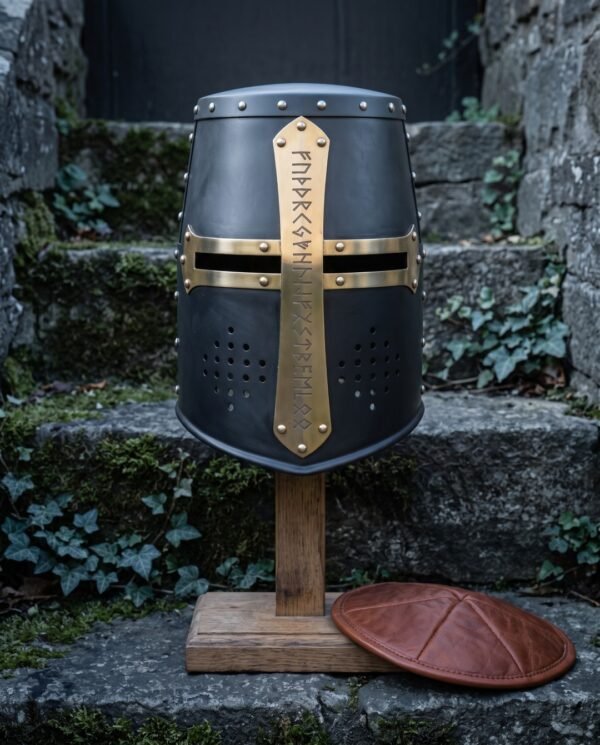 Duskwarden Hand Forged Blackened Steel Great Helm Crusader Helmet
Original price was: $409.00.$327.20Current price is: $327.20.
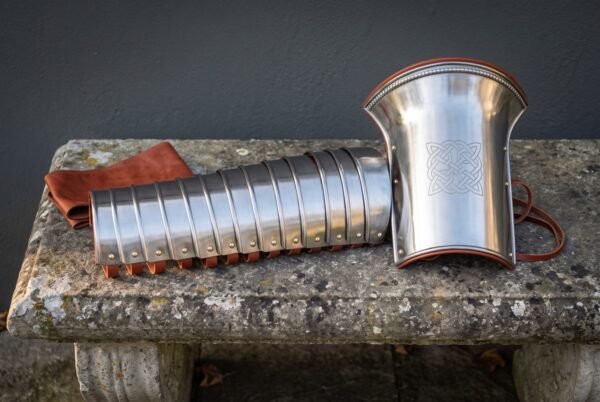 Bandwarden Hand Forged Steel Manica Arm Guard and Flared Bracer Set
Original price was: $299.00.$239.20Current price is: $239.20.
 Nightband Hand Forged Blackened Steel Manica and Rune Cut Bracer Set
Original price was: $319.00.$255.20Current price is: $255.20.
 Grimward Hand Forged Steel Great Helm
Original price was: $409.00.$327.20Current price is: $327.20.