
Viking knives here means the working blades of the Norse world and the shapes that grew out of them. The heart of the collection is the seax, the single edged belt knife found in graves across Scandinavia and England, running from short 8 inch belt knives up to broad 18 inch langseaxes. Around it sit kukris, bowies, daggers, karambits, a few folding knives and a small run of kitchen blades, all built the same way.
Two steels run through the range. Plain 1095 high carbon is hardened to 54 to 58 HRC, takes a keen edge and comes back easily on a stone. Damascus is 1095 and 15N20 forge welded and acid etched, hardened to 58 to 60 HRC, and holds its edge a little longer. Handles are horn, bone, rosewood, olive wood, stacked leather washers or micarta, pinned through a full tang, and most pieces ship with a leather sheath.
If you want one knife to carry and use, start with a seax between 10 and 14 inches overall. If you want reach and chopping power instead, look at the kukris. The seax is the knife the sources actually put in Norse hands, and the people behind the sagas is a good place to start if you want the history rather than the steel. A seax can also be made to your own spec. Build a custom seax and choose the blade shape, the steel, the handle material and the sheath.
Buying for a wedding party? The groomsmen sets come as six matched knives, 15% less than buying them singly, and each one can carry its own engraved name.
Free US shipping
On most pieces. Heavier and oversized ones carry a flat charge.
Hand Forged
Heated, hammered and ground by hand.
Engraving available
Names, dates or Norse runes on most pieces.
Ships from Chicago
Inspected and dispatched from our Chicago warehouse. No import duty, no customs delay on US orders.
Viking Knives
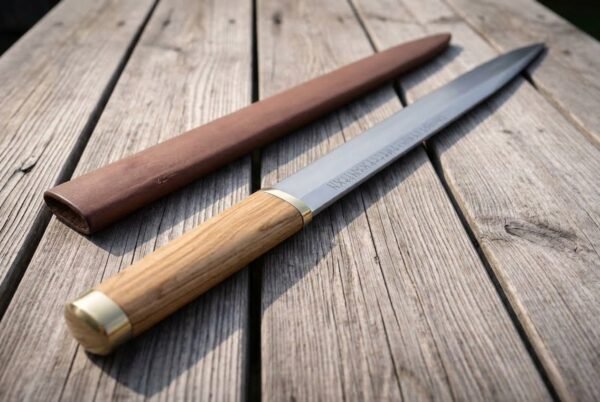
Runescar Hand Forged 1095 Viking Seax | 15 Inch Blade with Elder Futhark Rune Line & Olive Wood Handle | Leather Sheath | Norse Gift | RK-1596
Original price was: $269.00.$215.20Current price is: $215.20.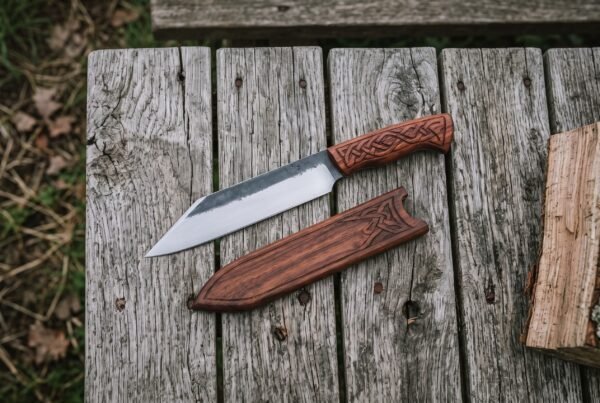
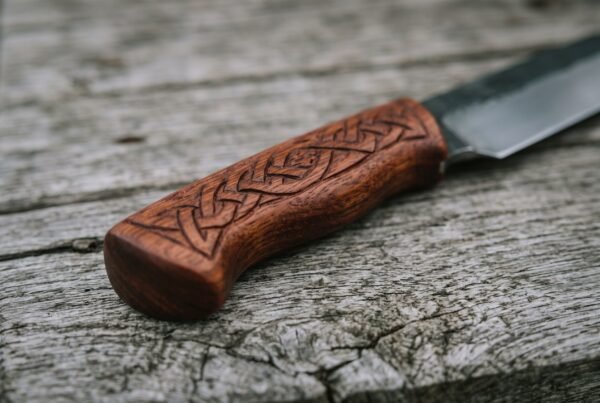
Deepgrove Hand Forged High Carbon Steel Viking Seax Knife with Engraved Rosewood Handle & Wooden Cover | Norse Collector and Gift for Men | RK-609
Original price was: $149.00.$119.20Current price is: $119.20.
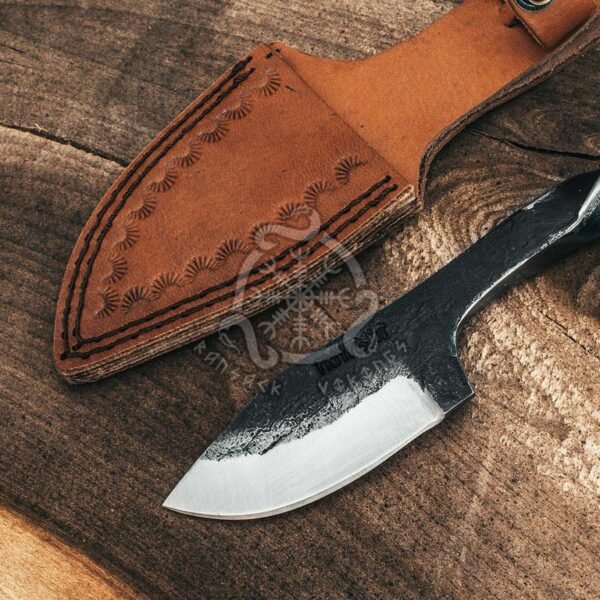
Beltsax Hand Forged High Carbon Steel Viking Seax Knife with Premium Cowhide Sheath | Compact Norse Belt Knife and Collector Gift | RK-656
Original price was: $149.00.$119.20Current price is: $119.20.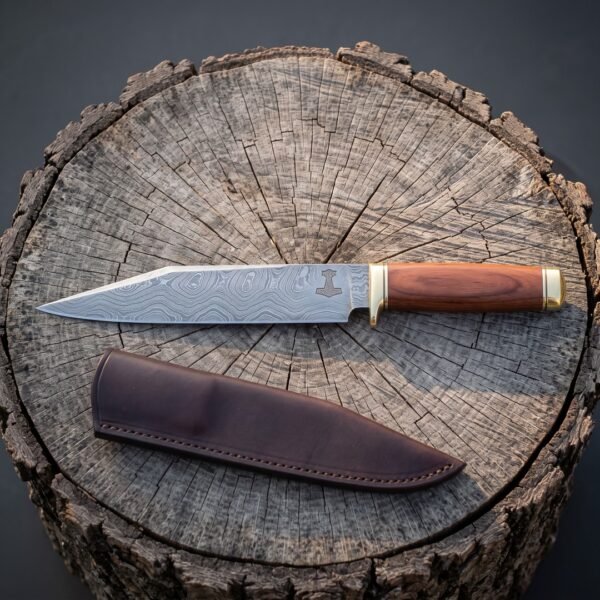
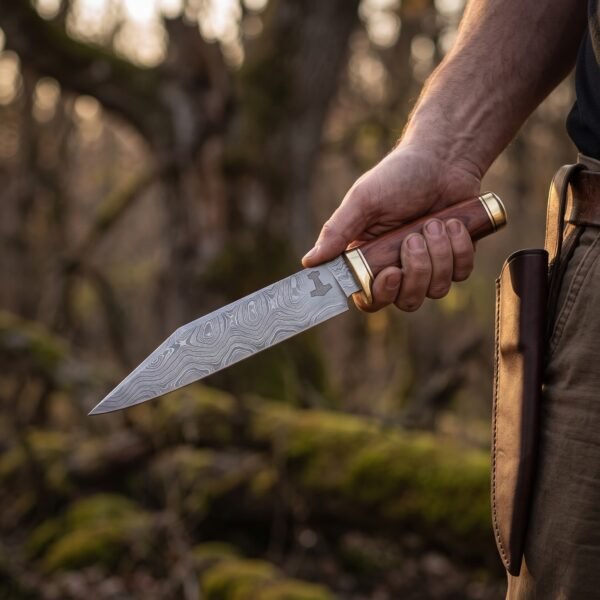
Emberfang Hand Forged Damascus Viking Seax | 13 Inch Overall with an 8 Inch Broken Back Blade | Rosewood Handle, Brass Bolsters and Leather Sheath | Norse Bushcraft Gift | RK-1739
Original price was: $269.00.$215.20Current price is: $215.20.
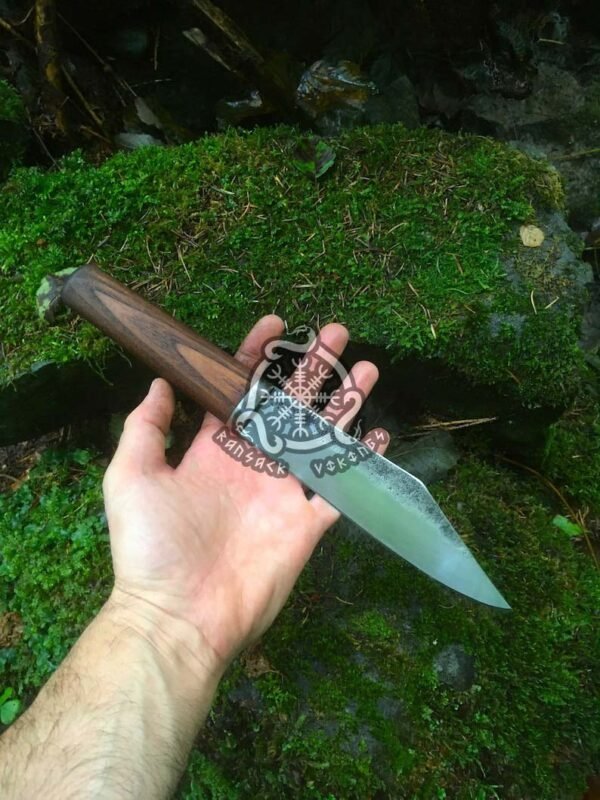
Anglosaxon Hand Forged Viking Seax Knife | Sized for Display and General Outdoor Use | RK-652
Original price was: $149.00.$119.20Current price is: $119.20.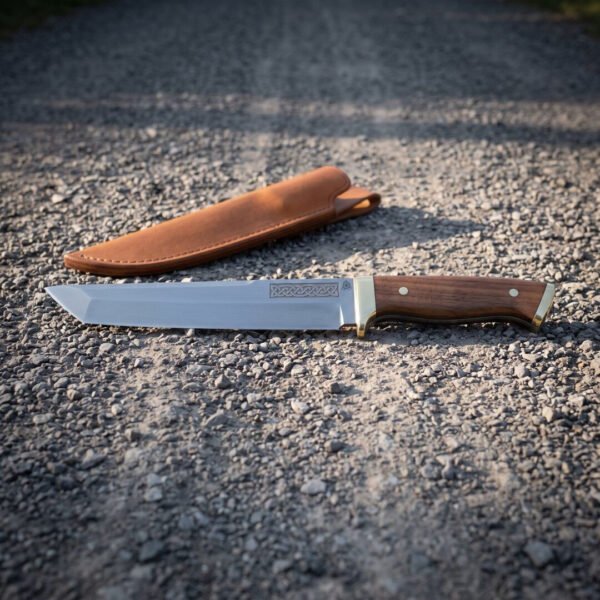
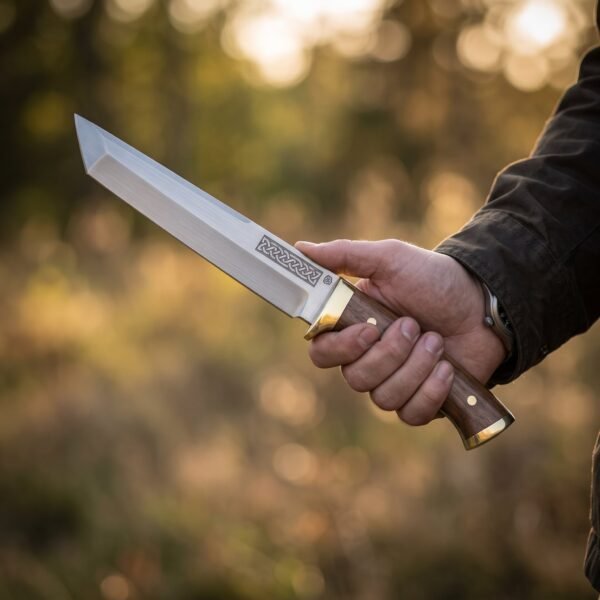
Knotsax Hand Forged 1095 Steel Broken Back Seax | 14 Inch Overall | Rosewood Scales and Brass Bolster with Etched Knotwork Panel and Tan Leather Sheath | Norse Gift | RK-2109
Original price was: $189.00.$151.20Current price is: $151.20.
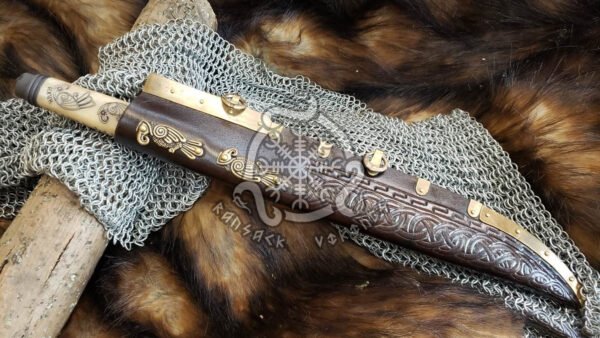
Huginandmunin Hand Forged High Carbon Steel Viking Seax Knife with Camel Bone Handle and Bolster | Norse Raven Collector Gift | RK-606
Original price was: $319.00.$255.20Current price is: $255.20.
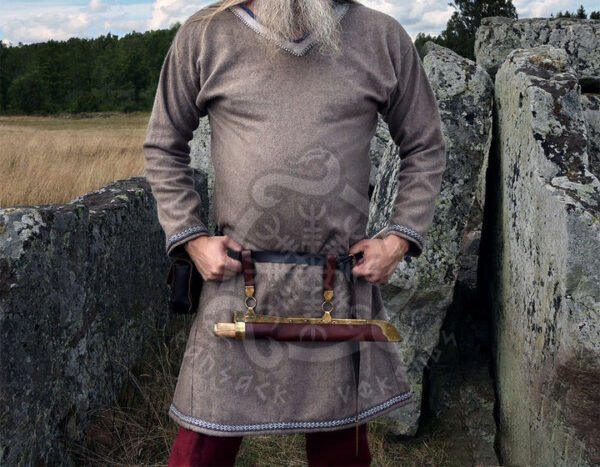
Brassward Hand Forged High Carbon Steel Viking Seax Knife with Wooden Handle and Brass Bolster | Norse Reenactment Collector Gift | RK-617
Original price was: $199.00.$159.20Current price is: $159.20.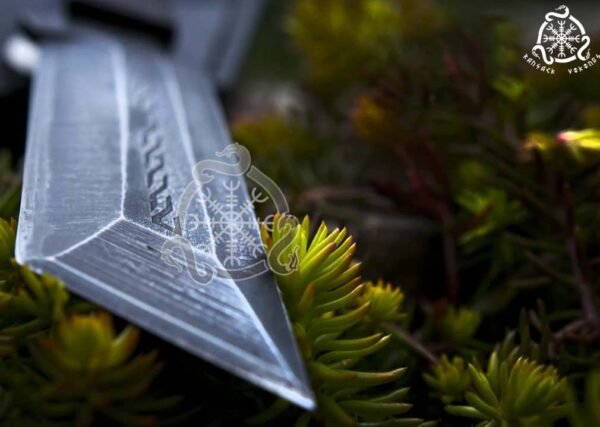
Woodsax Hand Forged High Carbon Steel Viking Seax Knife with Solid Wooden Handle | Norse Bushcraft Kitchen and Collector Gift | RK-662
Original price was: $179.00.$143.20Current price is: $143.20.
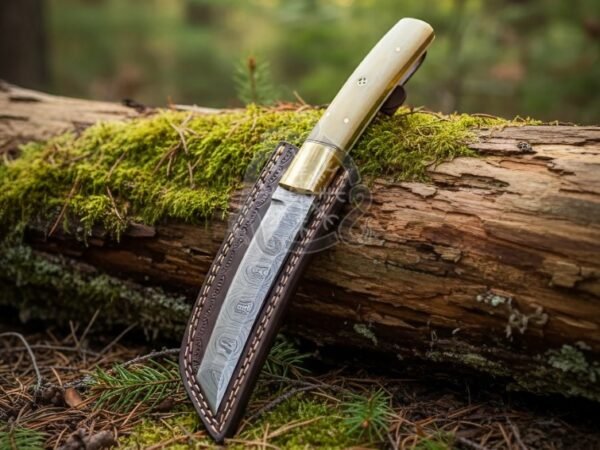
Mosaicsax Hand Forged Damascus Viking Seax Knife with Mosaic Bone Handle and Brass Bolster & Leather Sheath | Norse Collector Gift | RK-1029
Original price was: $149.00.$119.20Current price is: $119.20.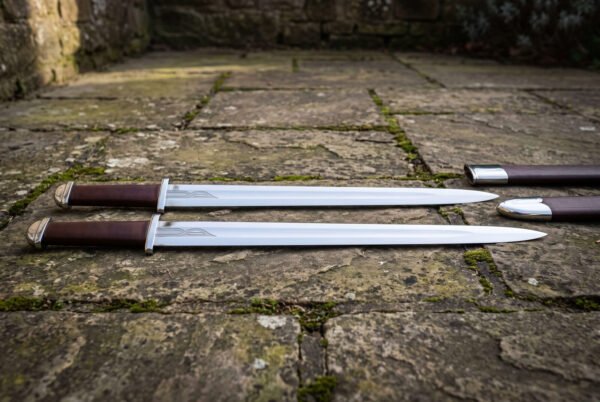
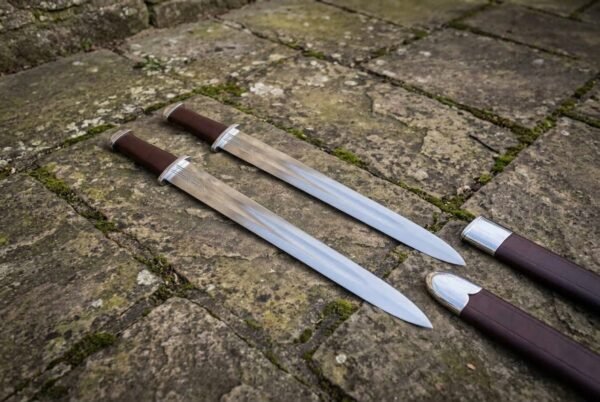
Langfell Hand Forged 1095 Steel Viking Seax Set | 2 Piece Matched Pair | 30 Inch Langseax with Leather Grips and Two Fitted Scabbards | Norse Reenactment Gift | RK-1925
Original price was: $399.00.$319.20Current price is: $319.20.
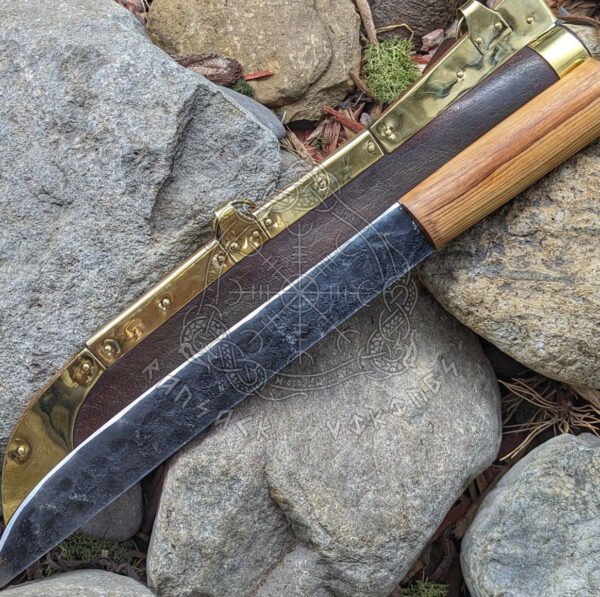
Olivescramasax Hand Forged High Carbon Steel Viking Seax Knife with Olive Wood Handle & Leather Sheath | Norse Reenactment Gift | RK-605
Original price was: $199.00.$159.20Current price is: $159.20.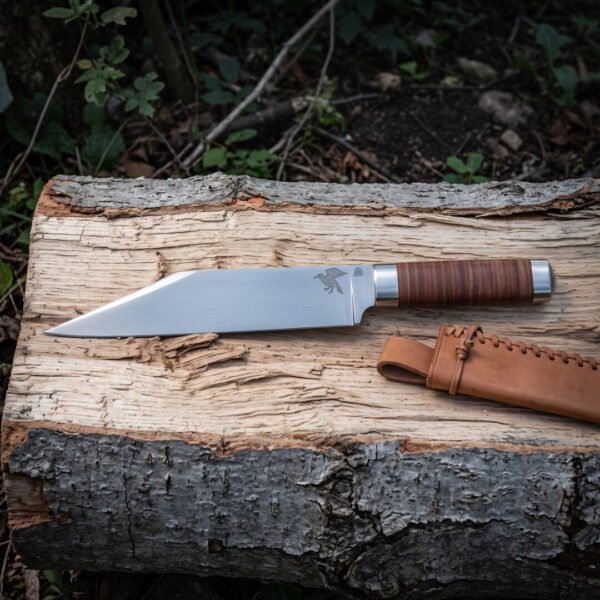
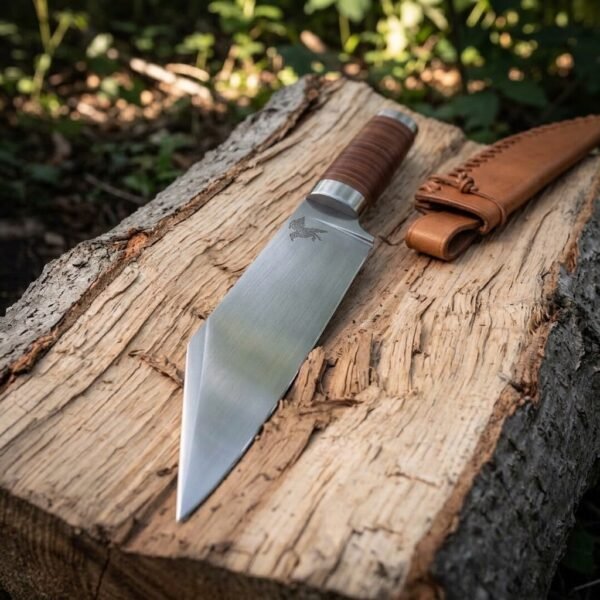
Ravenspine Hand Forged 1095 Steel Viking Seax Knife with Stacked Leather Handle | 12 Inch Overall | Etched Raven and Hand Stitched Leather Sheath | Norse Belt Knife Gift | RK-1758
Original price was: $259.00.$207.20Current price is: $207.20.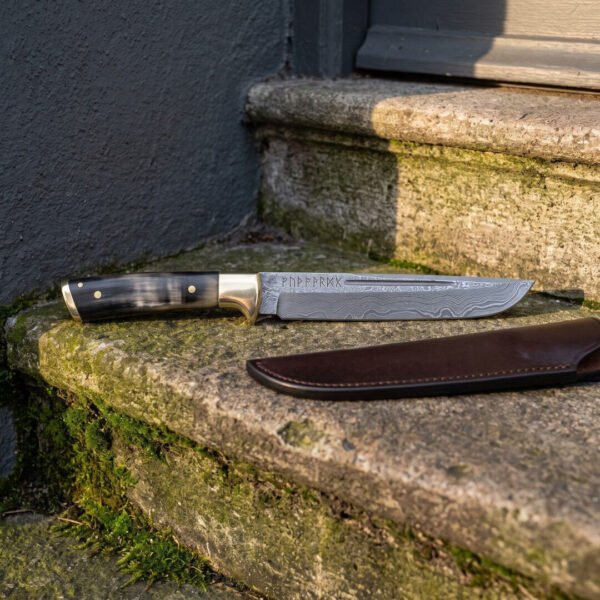
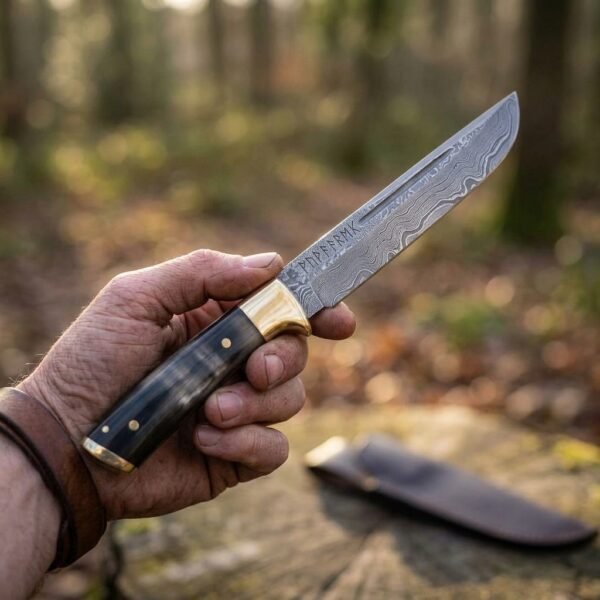
Hornsax Hand Forged Damascus Steel Broken Back Seax | 12 Inch Overall Length | Horn Handle with Rune Etched Blade and Brass Fittings | Norse Belt Knife Gift | RK-2157
Original price was: $259.00.$207.20Current price is: $207.20.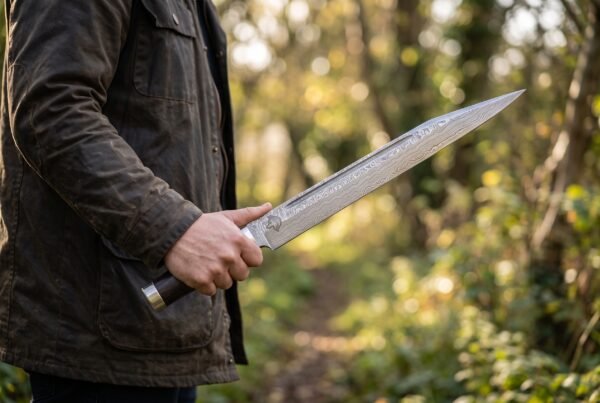
Wolfmark Hand Forged Damascus Seax Knife | 13 Inch Blade with Etched Wolf Head | Buffalo Horn Handle and Leather Belt Sheath | Norse Hunting Gift | RK-1597
Original price was: $319.00.$255.20Current price is: $255.20.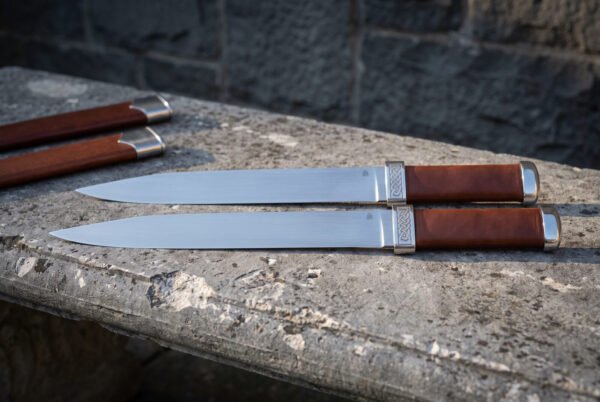
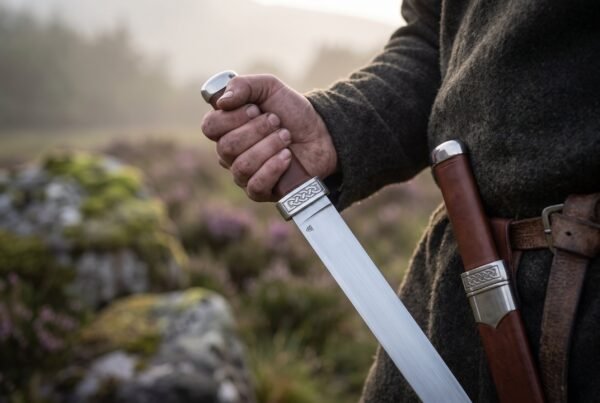
Knotbolster Hand Forged 1095 Steel Twin Seax Knives | 2 Piece Set 15 Inch Overall Each | Leather Grips with Knotwork Engraved Bolsters and Two Sheaths | Norse Gift | RK-1926
Original price was: $289.00.$231.20Current price is: $231.20.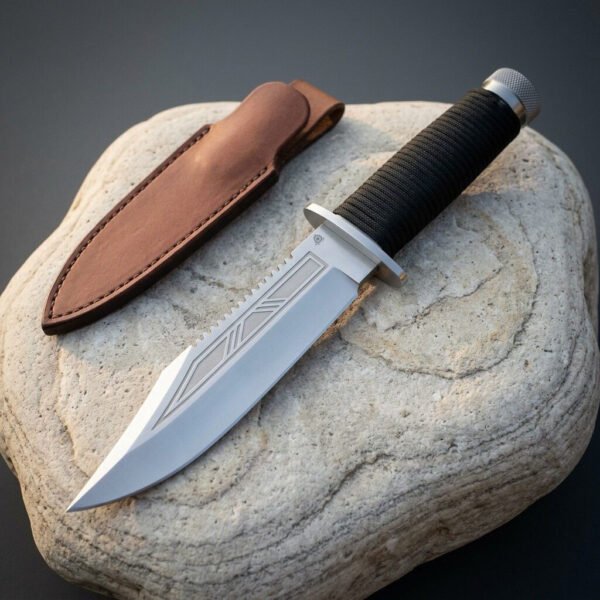
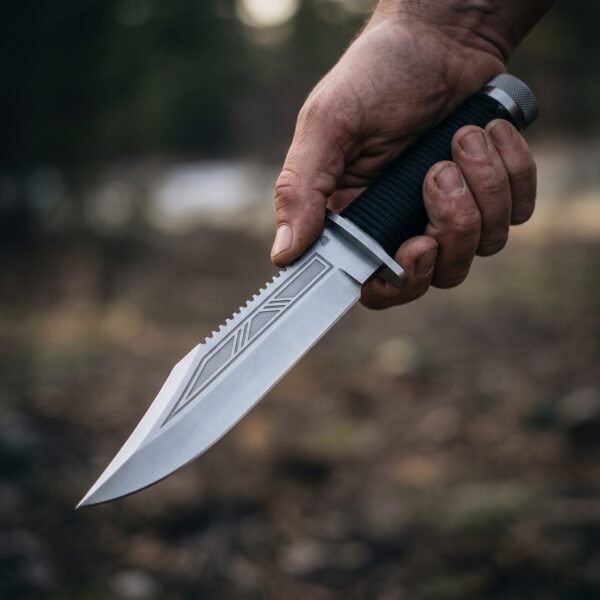
Sawcrest Hand Forged 1095 Steel Sawback Bowie Knife | Clip Point Blade with Etched Panel | Cord Wrapped Grip and Leather Sheath | Survival Gift | RK-1880
Original price was: $199.00.$159.20Current price is: $159.20.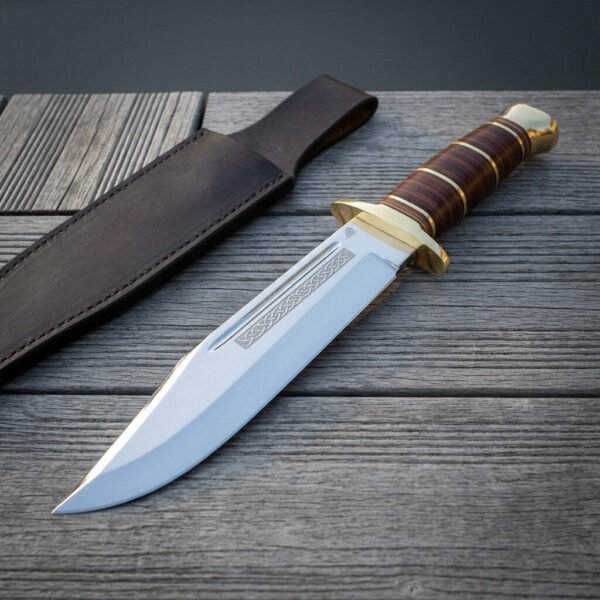
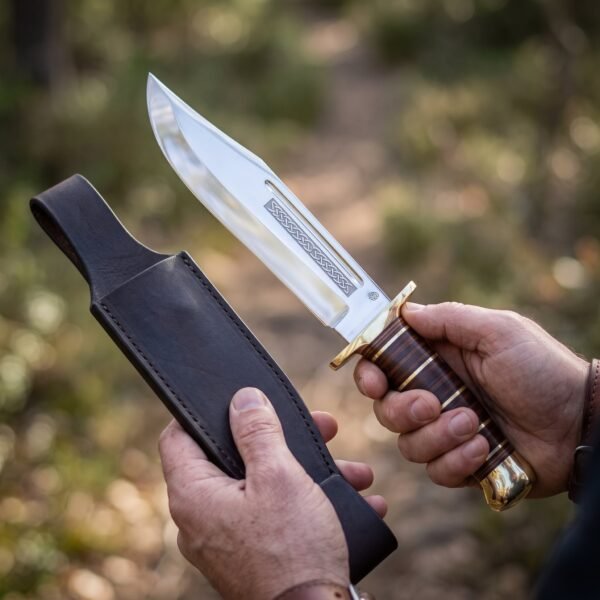
Brasscliff Hand Forged 1095 Steel Bowie Knife | 15 Inch Overall | Brass Double Guard and Stacked Leather Handle with Brown Leather Belt Sheath | Hunting Gift | RK-1896
Original price was: $239.00.$191.20Current price is: $191.20.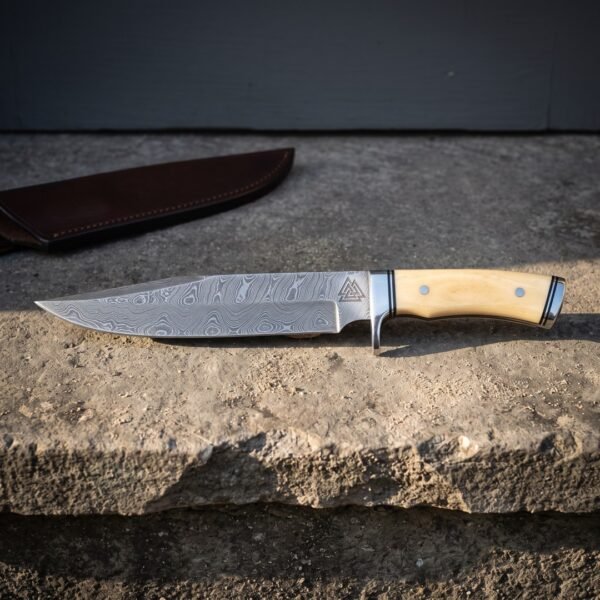
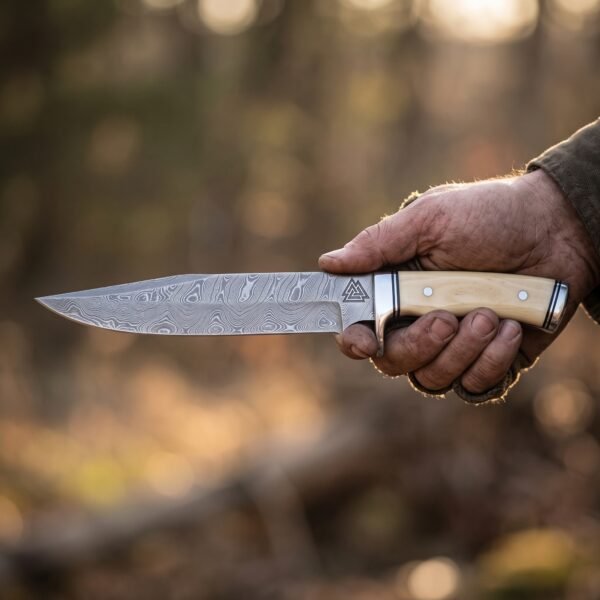
Bonecreek Hand Forged Damascus Bowie Knife with Bone Handle Scales and Valknut Etched Blade | 10 Inch Blade and 15 Inch Overall | Oxblood Leather Belt Sheath | Hunting Gift | RK-1718
Original price was: $289.00.$231.20Current price is: $231.20.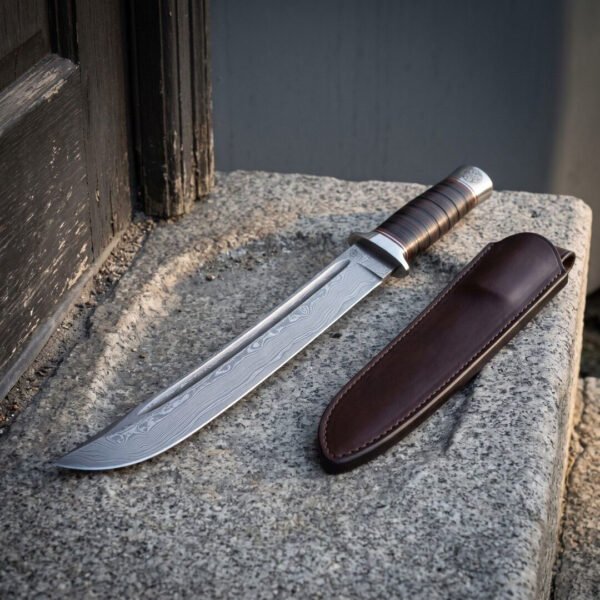
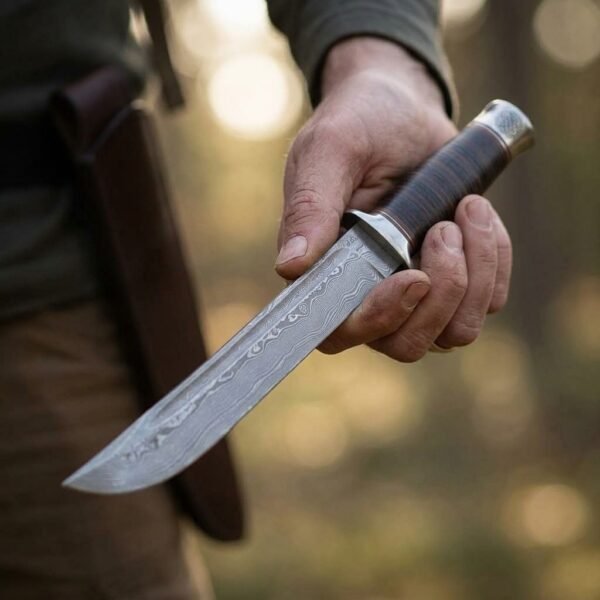
Emberstack Hand Forged Damascus Bowie Knife with Stacked Leather Washer Handle | Clip Point Fullered Blade | Engraved Steel Pommel Cap | Leather Sheath | Hunting Gift | RK-2178
Original price was: $269.00.$215.20Current price is: $215.20.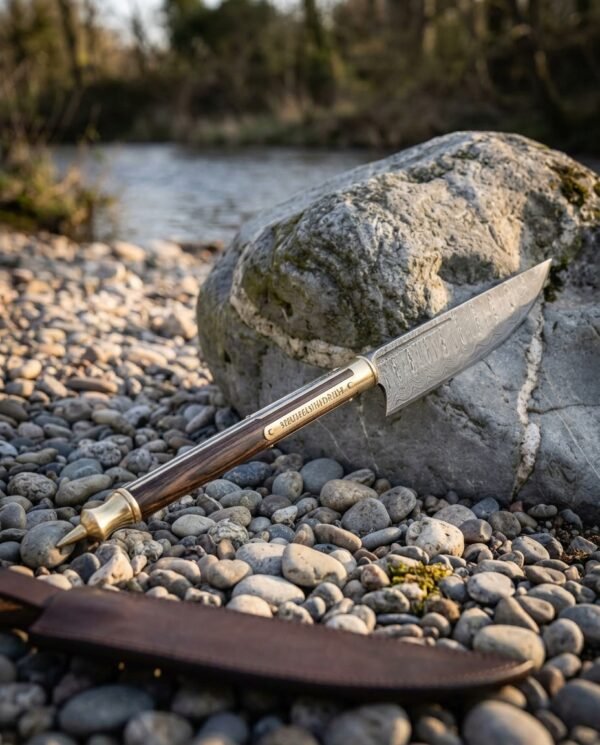
Riverclaw Hand Forged Damascus Viking Bowie Knife | 14 Inch Overall with a 9 Inch Blade | Rosewood Handle, Rune Cut Brass Bolster and Leather Sheath | Hunting Camp Gift | RK-1736
Original price was: $289.00.$231.20Current price is: $231.20.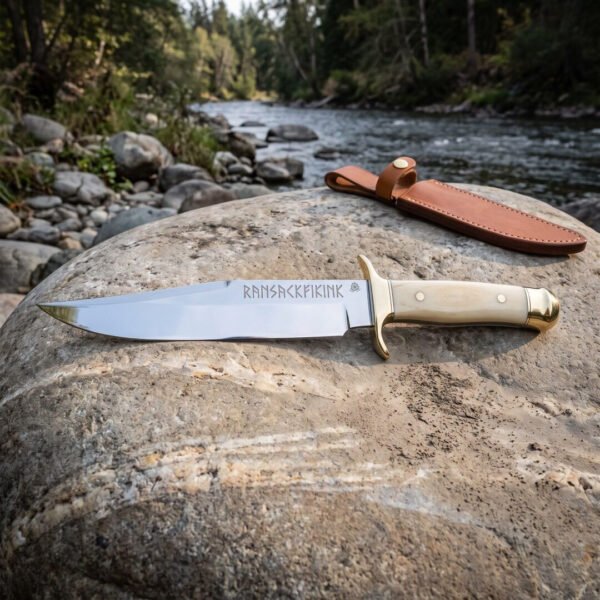
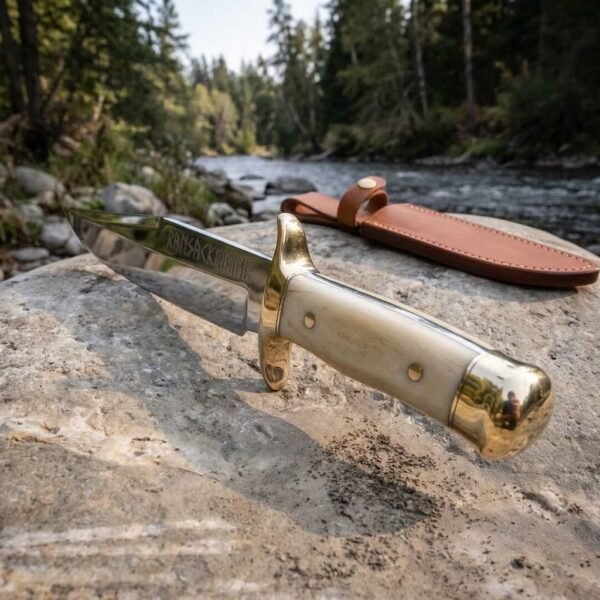
Bonecliff Hand Forged 1095 Carbon Steel Viking Bowie Knife with Bone Handle & Brass Guard | 13 Inch Overall | Clip Point Blade and Leather Belt Sheath | Hunting Gift | RK-1704
Original price was: $229.00.$183.20Current price is: $183.20.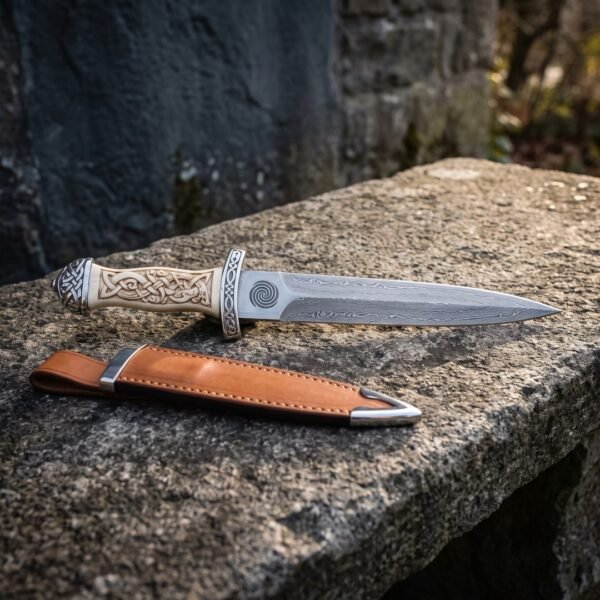
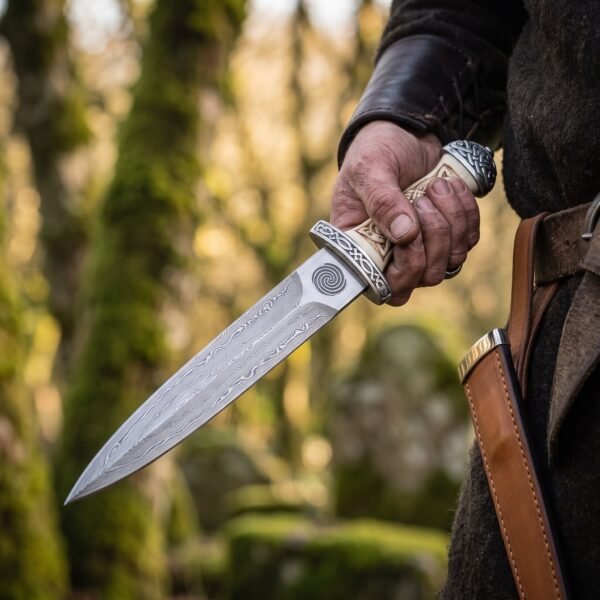
Knotbone Hand Forged Damascus Celtic Dagger | 14 Inch Overall | Carved Bone Handle and Spiral Etched Ricasso with Tan Leather Sheath | Highland Collector Gift | RK-1943
Original price was: $309.00.$247.20Current price is: $247.20.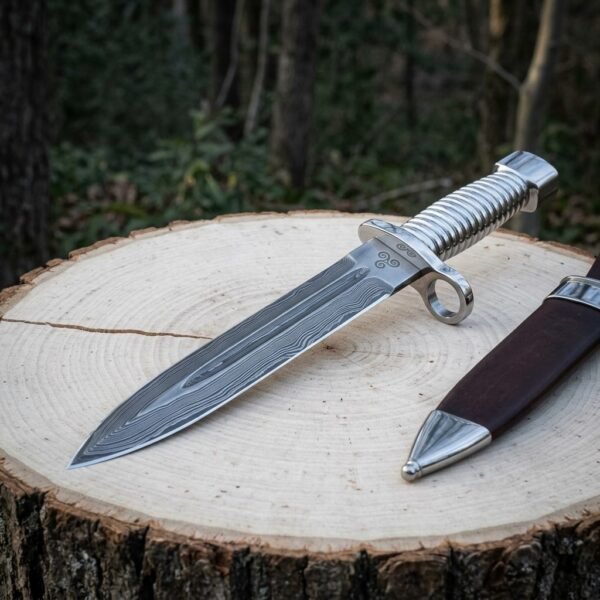
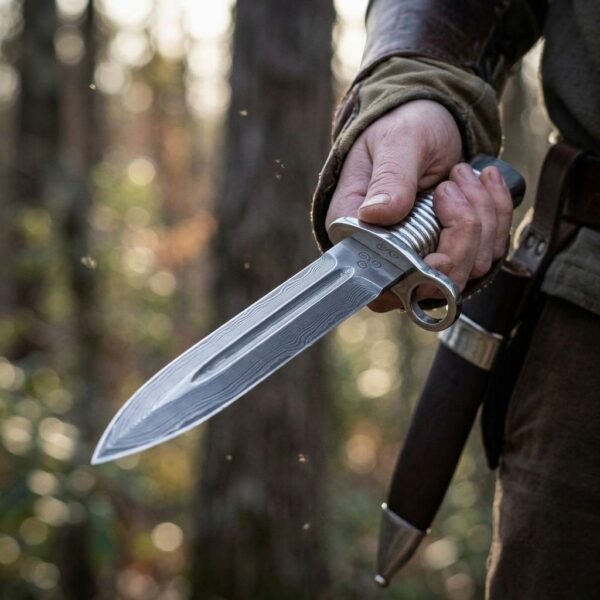
Ringspike Hand Forged Damascus Bayonet Dagger | 1095 and 15N20 Blade | Fluted Steel Grip Ring Guard and Leather Sheath | Collector Gift | RK-1871
Original price was: $289.00.$231.20Current price is: $231.20.What a Viking knife actually was
Almost every free person in the Norse world carried a knife. It cut rope, trimmed leather, shaped wood, boned meat and opened bags, and it hung on the belt where a modern person keeps keys. Knives turn up in graves of men, women and children, in farm sites and in trading towns like Hedeby and Birka, in numbers no ceremonial object would ever reach.
The dominant form was the seax, a single edged blade with a thick spine and a tang running into a wood, horn or bone grip. Small ones were general purpose belt knives with three to five inch blades. The broadsaxes and langseaxes ran past ten inches and did the job a short sword would later do. The broken back profile, where the spine drops at a sharp angle towards the point, is an Anglo Saxon and late Norse shape rather than something from the whole period, but it is the picture most people have in mind when they look for a Norse knife.
So a Viking knife in the honest sense is a single edged working blade with a simple handle and a full tang. Alongside the seax sit later shapes built the same way, in the same two steels, by the same hands.
The shapes in this collection
Eight families cover almost everything here. Once you know which one you want, the rest is size, steel and handle material.
Seax
The core Norse shape and the one most buyers come for. A small belt seax here runs about 7.9 inches overall with a 3.5 inch blade, a mid sized carrying knife sits at 10 to 14 inches overall with a 5 to 9 inch blade, and the broad langseax pieces reach 16 to 18 inches overall with 11 to 13 inches of blade. Spines are thick, edges are single, and the profile is either a straight clip or the dropped broken back. Handles include mottled horn, camel bone, mosaic bone, engraved rosewood, olive wood and stacked leather washers under a polished steel cap. Almost all ship with a leather sheath.
Kukri
The heaviest cutters in the range, at 15 to 17 inches overall with 10 to 12 inches of blade measured along the curve. Weight sits ahead of the hand, so the blade does the work on a swing. Most have a cho notch at the ricasso and a swedge along the spine. Handles come in rosewood, olive wood, walnut, micarta, stag antler, bone and buffalo horn, pinned through a full width tang. If you camp or clear brush, look here first.
Bowie
Big clip point knives with a long belly and, on several pieces, a sharpened swedge along the false edge. Sizes run 13 to 15 inches overall with 8 to 10 inches of blade, and one carries a sawtooth spine. Handles lean towards stacked leather washers or pale bone scales over dark liners. A 15 inch bowie in 1095 at 56 to 58 HRC weighing about 1 lb 6 oz is a capable Viking hunting knife.
Dagger
Double edged and symmetrical. The Celtic dagger here is 14 inches overall with a 9 inch Damascus blade at 58 to 60 HRC, a carved bone grip and a listed weight of about 11 oz. A longer Norse dagger runs 20 inches overall with a 14 inch diamond section blade in 1095. Daggers are display pieces first, since a double edge is harder to sharpen and to carry safely.
Karambit
Small hawkbill blades with a finger ring at the butt. The Damascus version is about 9 inches overall including the ring, with 4 inches of edge along the curve and a weight of roughly 6 oz. A larger 1095 version runs about 11 inches overall with a 6 inch curved edge. Scales are rosewood or micarta over a full tang. The curve pulls rather than pushes, which suits cord and packaging. Least Norse shape on the page, one of the most practical.
Folding and butterfly knives
A short run of pivoting blades for anyone who wants a Viking pocket knife rather than a fixed blade on the belt. The 1095 butterfly knife carries a 4.5 inch clip point with a false swage. The Damascus version is 4 inches of pattern welded blade at 58 to 60 HRC. Check local rules first, since balisong style knives are restricted in several states whatever the blade length.
Kitchen blades and cleavers
Knives meant for a board rather than a belt. The high carbon cleaver is about 14 inches overall with an 8 inch straight edge, cord wrapped over a full tang, with engraved Celtic knotwork on the flat. There is also a nakiri style cleaver in stainless, chosen on that piece because a kitchen knife lives near water, and a five piece Damascus chef set at 58 to 60 HRC. High carbon in a kitchen needs drying after every use.
Throwing knives
Matched sets sold in threes, ground plain, with no handle to protect. Throwing knives are consumables. They land on stone, bounce off frames and take dents. Set up a soft wood target end grain up and stand far enough back to let the blade rotate.
Sizes and steel across the range
Every figure below comes from the spec panel of a product on this page. Sizes vary between individual pieces because each is forged and ground by hand, so read the ranges as what to expect.
| Type | Overall length | Blade length | Steel and hardness | Handle | Best for |
|---|---|---|---|---|---|
| Belt seax | 7.9 to 10 in | 3.5 to 5 in | 1095 at 54 to 58 HRC, or Damascus at 58 to 60 | Olive wood, mosaic bone, engraved rosewood | Everyday belt carry |
| Broken back seax | 11.8 to 14 in | 6.9 to 9 in | 1095 at 54 to 58 HRC, or Damascus at 58 to 60 | Horn, rosewood, stacked leather washers | Camp work, reenactment kit |
| Broad langseax | 16 to 18 in | 11 to 13 in | 1095 high carbon at 54 to 58 HRC | Camel bone, wood with brass bolster, olive wood | Display and living history |
| Kukri | 15 to 17 in | 10 to 12 in along the curve | 1095 at 54 to 58 HRC, or Damascus at 58 to 60 | Rosewood, olive wood, micarta, stag antler, bone | Chopping and brush clearing |
| Bowie | 13 to 15 in | 8 to 10 in | 1095 at 54 to 58 HRC, or Damascus at 58 to 60 | Stacked leather washers, pale bone scales | Hunting and general field use |
| Dagger | 14 to 20 in | 9 to 14 in | 1095 at 54 to 58 HRC, or Damascus at 58 to 60 | Carved bone, ribbed steel | Display and collecting |
| Karambit | 8 to 11 in | 3.5 to 6 in along the curve | 1095 at 54 to 58 HRC, or Damascus at 58 to 60 | Rosewood, green or black micarta | Utility cutting and everyday carry |
| Cleaver | 14 in | 8 in along the straight edge | 1095 high carbon at 54 to 58 HRC | Cord wrapped over a full tang | Kitchen and butchery |
| Butterfly knife | Not listed | 4 to 4.5 in | 1095 at 54 to 58 HRC, or Damascus at 58 to 60 | Steel handles on pivot pins | Pocket carry where legal |
Two figures are worth reading carefully. Curved blades are measured along the curve, so a kukri listed at 11 inches has less straight line reach than a bowie listed at 10. And overall length on a karambit includes the finger ring, which adds an inch of steel you never cut with.
1095 and Damascus, and which one to pick
There are two steels on this site and no others presented as a house standard. A small number of older listings state stainless or another grade in their own spec table, and where they do, that table is the accurate answer for that piece.
Plain 1095 is a simple high carbon steel, roughly one percent carbon with no chromium worth speaking of, hardened here to 54 to 58 HRC. It sharpens fast, takes a very fine edge, and forgives a beginner on a stone because you can feel the burr form. It also rusts. Leave a 1095 blade wet overnight and you will find orange spotting in the morning. That is what carbon steel does, and an oiled cloth prevents all of it.
Damascus here is 1095 and 15N20 forge welded in alternating layers, drawn out, folded and acid etched so the two alloys show as light and dark bands. The nickel in 15N20 makes the bright lines. Hardened to 58 to 60 HRC, it holds an edge longer than plain 1095 and takes a little more work to bring back. It rusts as well, since most of the billet is still 1095, so the etched pattern needs the same oil and the same wipe down.
The rule is simple. If the knife will be used hard and sharpened often, take 1095. If it will be looked at, given as a gift, or carried and cleaned rather than abused, take Damascus for the pattern and the extra edge retention. Neither is better in the abstract, and the price gap reflects the labour in forge welding rather than a jump in performance.
Tang, handle and fittings
Nearly everything here is full tang, with the steel running the whole length and width of the handle and the scales pinned to it. That is the construction you want in a working knife. A partial tang, where a narrow spike is glued into a drilled grip, slices happily and fails under a hard lateral load. The exceptions are the stacked leather handles, where washers are compressed over a narrower tang under a peened steel cap.
Handle materials behave differently. Rosewood is dense, oily and close grained, so it polishes up and resists moisture on its own. Olive wood is harder, paler and full of figure. Buffalo horn and camel bone are the historically honest choices for a seax, and both should stay out of dry heat. Micarta is resin and canvas, effectively waterproof. Stacked leather takes hand oil and a patina, which is why old leather handled knives look better than new ones.
Fittings are brass or steel. Brass darkens over time. A metal polish on a cloth brings it back in a minute, or leave it alone if you prefer the aged look.
Sheaths, carry and the rules where you live
Most fixed blades ship with a leather sheath, and a few come with a wooden cover or a full kit. The leather is stiff at first and softens to the shape of the blade over a few weeks. Never store a carbon steel blade in a damp sheath for long, because leather holds moisture against steel and that is the most common cause of rust on a knife that was otherwise looked after.
Carry rules in the United States vary by state and often by city, turning on blade length, fixed or folding, concealed or open, and in some places the mechanism. A 9 inch seax is legal to own almost everywhere and legal to carry openly in far fewer places. Read our state by state summary before you clip anything to a belt. It is a summary, not legal advice, and local ordinances can be stricter than state law.
Sharpening and keeping rust off
A hand forged knife arrives sharp and gets dull. For 1095 at 54 to 58 HRC, a 1000 grit waterstone restores a working edge in a few minutes and a 3000 grit polishes it. For Damascus at 58 to 60 HRC, expect longer on the coarse stone and a longer interval before the next session. Keep the angle you started with and stop once you feel a burr along the whole edge.
Curved blades need a different motion. On a seax, a kukri or a karambit you sweep the blade across the stone so the contact point travels along the curve, rather than pushing it straight as you would a chef knife. Without that sweep you flatten the belly and ruin the geometry. A round rod works better on the tight inner curve of a karambit.
Rust prevention is one habit. Wipe the blade dry, leave a light film of oil on the steel, and store it out of the sheath if it will sit for months. Camellia, mineral or food safe oil all work. If spotting has started, fine abrasive and oil will lift it. Grey patina is stable and does no harm.
Engraving and gifting
Most fixed blades here can be engraved after they arrive in the United States, which is how names, dates, rune lines and symbols get onto the flat of a blade or the side of a handle. Elder Futhark is a phonetic alphabet, not a cipher, so a name transliterates by sound. There is no rune for the letter C.
Engraving is permanent and an engraved piece cannot be returned, so send the exact spelling and check it twice. A seax with a date on the ricasso is one of the few gifts that neither wears out nor gets put in a drawer.
Where these knives are made
Every blade on this page is made by hand in the Czech Republic. Finished pieces are imported to the United States, inspected by Ransack Viking in Chicago, Illinois, and shipped from there, with engraving added after arrival. Small variations in grind, colour and figure between two knives of the same name are normal, because two people made them on two different days.
Browse related categories
- Viking seax knives, the single edged Norse belt blade
- Kukri knives with forward curved chopping blades
- Bowie knives with long clip points and deep bellies
- Hunting knives for field dressing and skinning
- Double edged daggers and Norse dagger shapes
- Karambit knives with ringed hawkbill blades
- Damascus knives in forge welded 1095 and 15N20
- Folding and pocket knives for everyday carry
- Leather scabbards and replacement sheaths
- Viking axes, the other half of a Norse kit
Guides worth reading first
- How to choose a Viking knife: seax, steel, tang and handle
- Viking seax knife buyer's guide: history, types and what to look for
- Seax vs bowie: two big knives doing two different jobs
- Damascus vs high carbon steel: which blade should you buy
- The complete knife care guide: blade, handle and sheath
- Famous Vikings, the people behind the sagas
Frequently asked questions
What is a Viking knife called?
The general Norse term is seax, sometimes written sax or scramasax. It covers a family of single edged knives rather than one design, from small belt knives with three inch blades up to the langseax with a blade past ten inches. The Saxons were named for it.
Are these Viking knives full tang?
Nearly all of them are, with the steel running the full length and width of the handle and the scales pinned through it. The exception is the stacked leather handles, where washers are compressed over a narrower tang under a peened steel cap. Each product page states the construction in its own specification table.
Do the knives arrive sharp?
Yes. Blades are ground and finished by hand and arrive with a working edge. They are not razors out of the box, because a very thin edge on a large knife chips. A few passes on a 1000 grit stone will take any of them further.
Will 1095 and Damascus rust?
Both will if you let them. Damascus here is mostly 1095 with 15N20 layers, so it behaves like carbon steel, not stainless. Wipe the blade dry after use, keep a light film of oil on it, and do not store it in a damp sheath.
What is the difference between a seax and a bowie?
A seax is single edged with a thick spine, a straight or broken back profile and usually no guard, and it works as a general purpose belt knife. A bowie has a clip point with a long swept belly, often a sharpened false edge, and normally a guard. The seax is better at chores, the bowie at deep cuts.
Can I get a name or runes engraved on a blade?
Yes, on most fixed blades. Engraving is carried out in the United States after the piece arrives, so send the exact spelling you want. Elder Futhark works phonetically, and there is no rune for the letter C, so a name is transliterated by sound.
Which knife should I buy first?
A seax between 10 and 14 inches overall in 1095 covers more ground than anything else here. It carries on a belt, handles camp and kitchen jobs, and sharpens easily. Move to a kukri for chopping power, a bowie if you hunt, or Damascus if the piece is a gift.
Where are these knives made?
They are made by hand in the Czech Republic, then imported, inspected and shipped by Ransack Viking from Chicago, Illinois, with engraving added in the United States after arrival.
Featured pieces
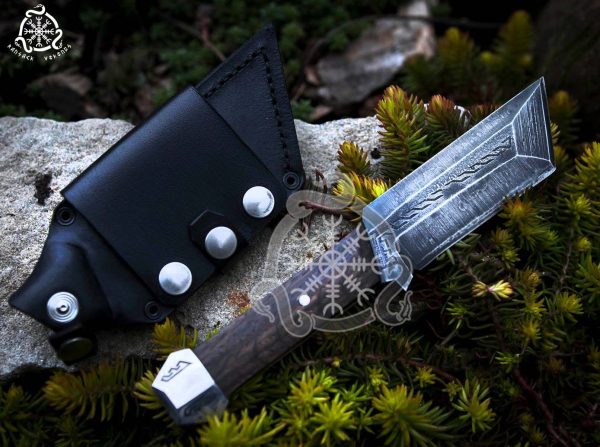 Woodsax Hand Forged High Carbon Steel Viking Seax Knife with Solid Wooden Handle
Original price was: $179.00.$143.20Current price is: $143.20.
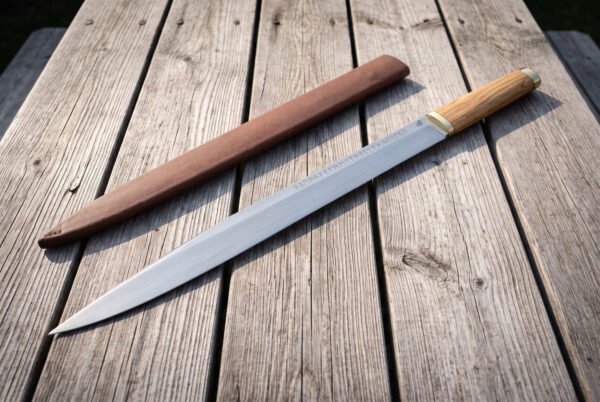 Runescar Hand Forged 1095 Viking Seax
Original price was: $269.00.$215.20Current price is: $215.20.
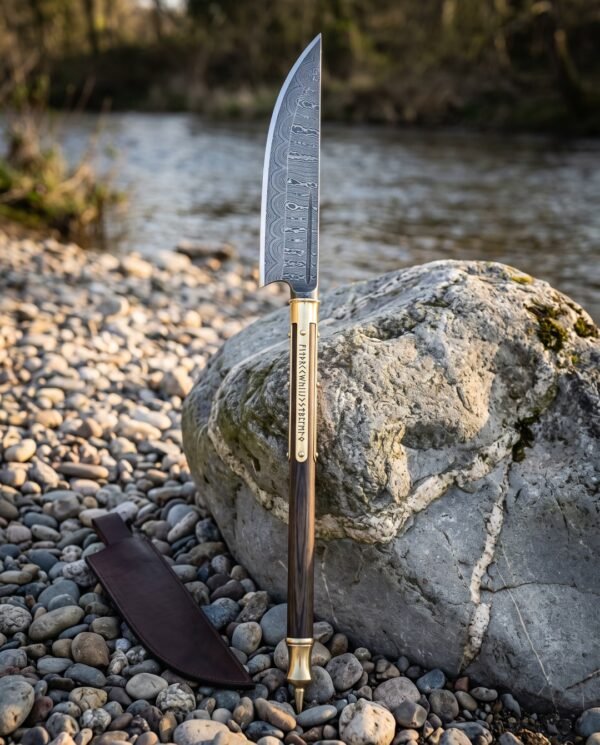 Riverclaw Hand Forged Damascus Viking Bowie Knife
Original price was: $289.00.$231.20Current price is: $231.20.
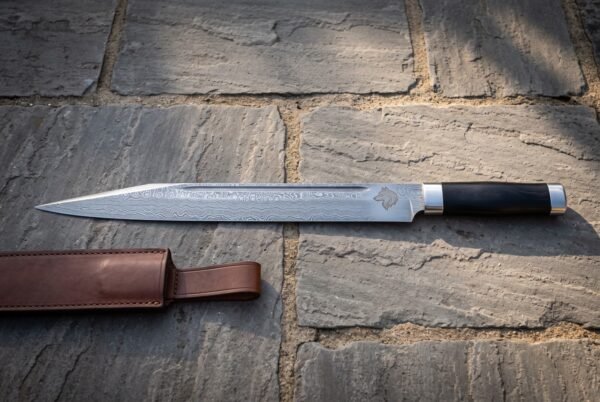 Wolfmark Hand Forged Damascus Seax Knife
Original price was: $319.00.$255.20Current price is: $255.20.