
Norse arms gathers the whole hafted and pole mounted side of the catalogue in one place. Sixteen categories sit under it: bearded axes, battle axes, Dane axes, double headed axes, medieval axes, war axes, francisca axes, throwing axes, tomahawks, splitting and felling axes, Viking spears, glaives and polearms, halberds, poleaxes, maces and Thor’s hammers.
Heads are 1095 high carbon hardened to 54 to 58 HRC, with a run of pattern welded 1095 and 15N20 Damascus at 58 to 60. Hafts are white ash, hickory, walnut, birch, oak and rosewood, hung with a wedge or pinned through the eye, and many are wrapped in leather or cord. Sizes run from a 14 inch throwing axe up to a spear a little over six feet assembled.
Start with what the piece is for. A hand axe for the belt, a long axe or a halberd for a wall, a spear on a stand, or a mace because nothing else in the house looks like one. Then read the weight, because weight is what decides how a hafted piece feels once it is in your hand. Spears, hammers and polearms can be made to your own spec. Build a custom spear, hammer or polearm and set the head, the steel, the shaft timber and the shaft length.
Buying for a wedding party? The groomsmen sets come as six matched knives, 15% less than buying them singly, and each one can carry its own engraved name.
Free US shipping
On most pieces. Heavier and oversized ones carry a flat charge.
Hand Forged
Heated, hammered and ground by hand.
Engraving available
Names, dates or Norse runes on most pieces.
Ships from Chicago
Inspected and dispatched from our Chicago warehouse. No import duty, no customs delay on US orders.
Norse Arms
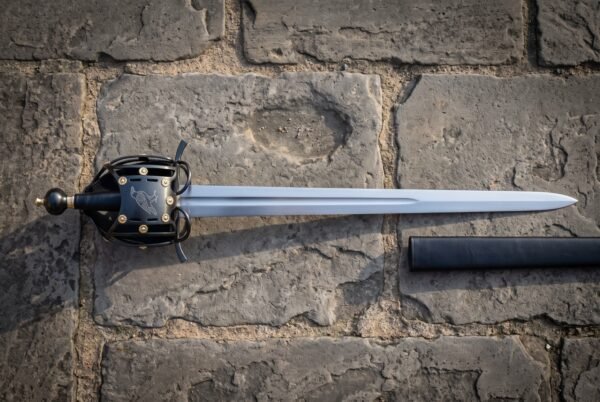
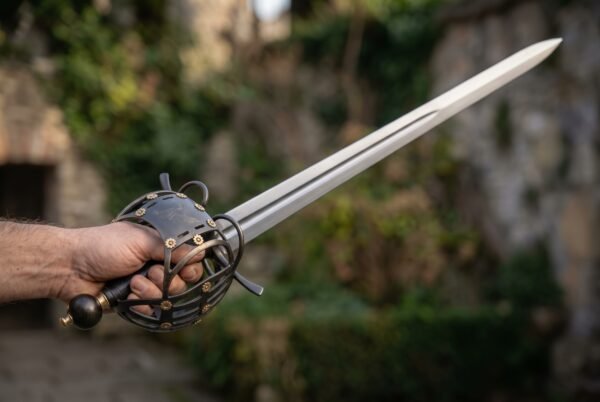
Nightcage Hand Forged 1095 Steel Basket Hilt Broadsword | 37 Inch Overall | Blackened Cage Guard and Brass Rosette Rivets with Etched Raven and Black Scabbard | Norse Gift | RK-2114
Original price was: $449.00.$359.20Current price is: $359.20.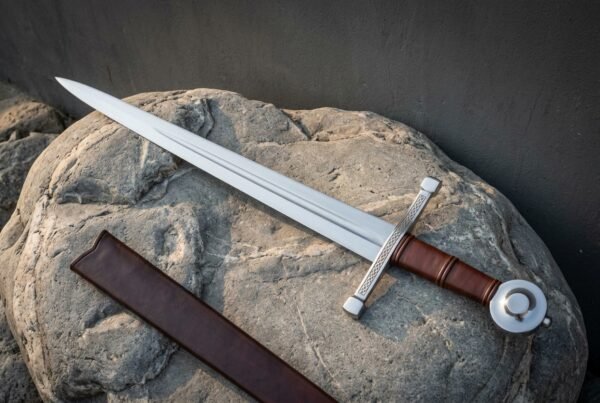
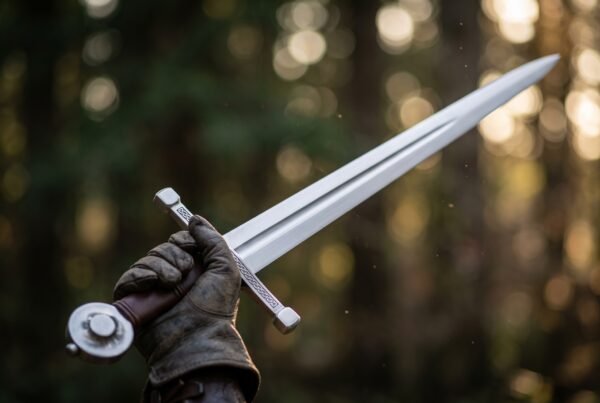
Stormhilt Hand Forged 1095 Steel Viking Arming Sword | 36 Inch Overall Length | Knotwork Engraved Guard and Leather Wrapped Grip | Norse Collector Gift | RK-1772
Original price was: $449.00.$359.20Current price is: $359.20.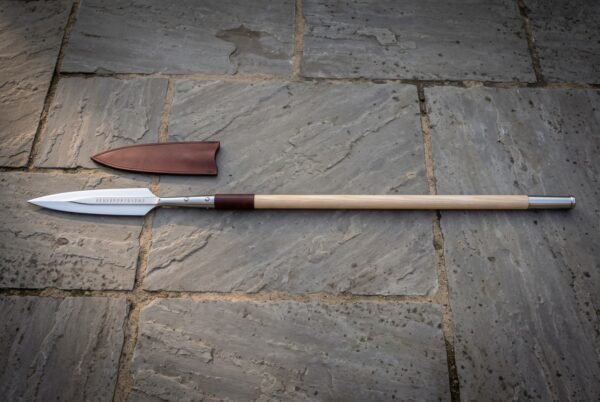
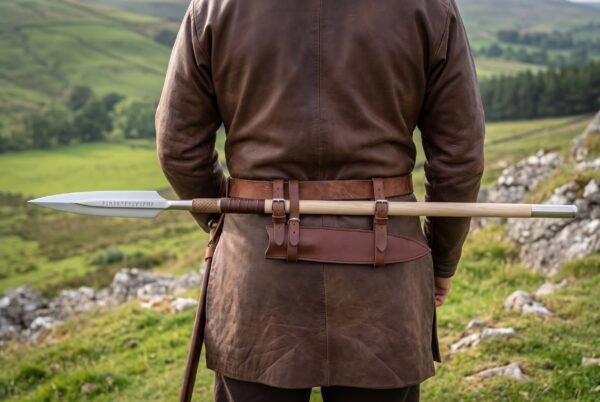
Runeleaf Hand Forged Elder Futhark Spear | 44 Inch Overall with 11 Inch Head | Ash Haft, Red Leather Grip and Brown Leather Head Sheath | Norse Reenactment Gift | RK-1981
Original price was: $279.00.$223.20Current price is: $223.20.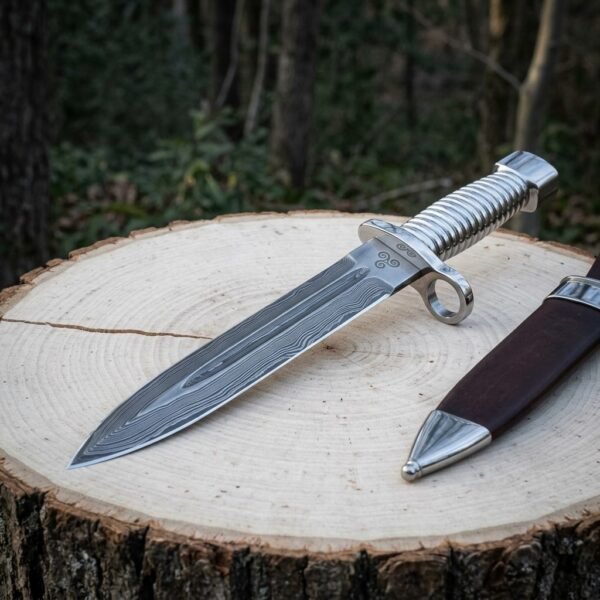
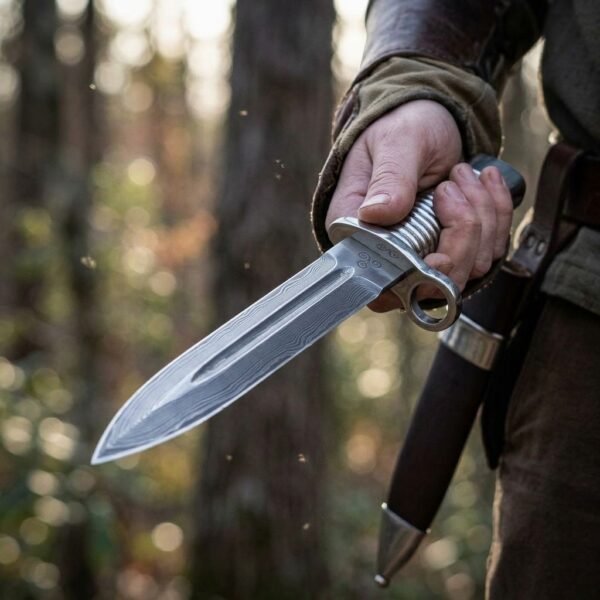
Ringspike Hand Forged Damascus Bayonet Dagger | 1095 and 15N20 Blade | Fluted Steel Grip Ring Guard and Leather Sheath | Collector Gift | RK-1871
Original price was: $289.00.$231.20Current price is: $231.20.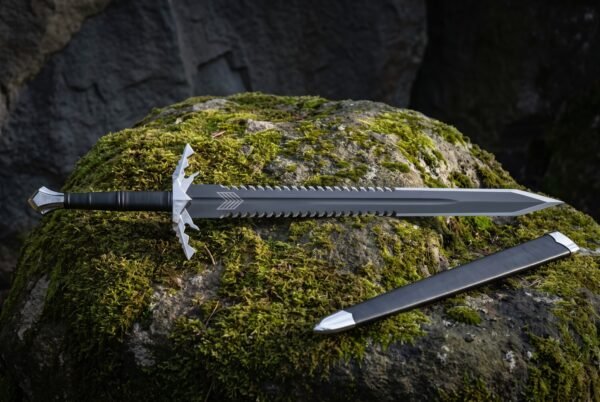
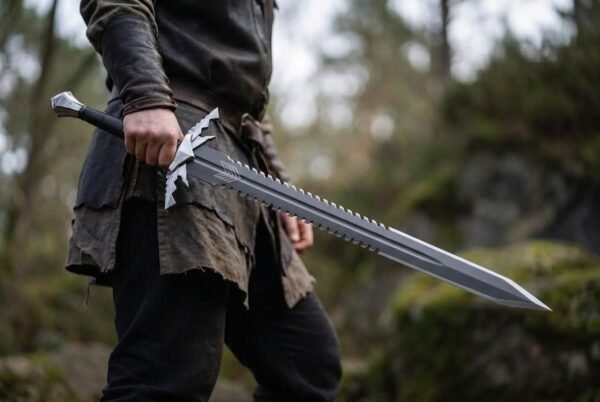
Fellsaw Hand Forged 1095 Steel Sawback Fantasy Sword | 30 Inch Overall with 21 Inch Blade | Spiked Steel Guard, Cord Wrapped Grip and Black Scabbard | Collector Gift | RK-1951
Original price was: $349.00.$279.20Current price is: $279.20.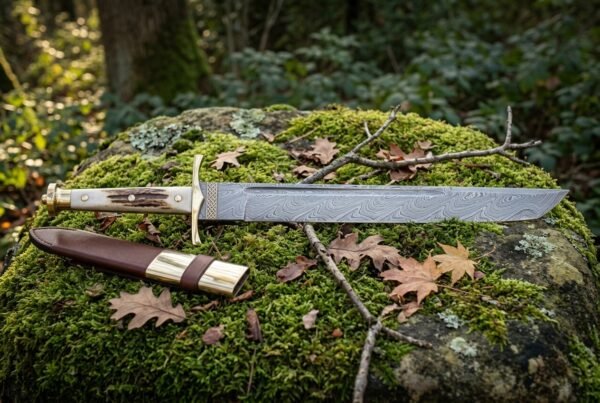
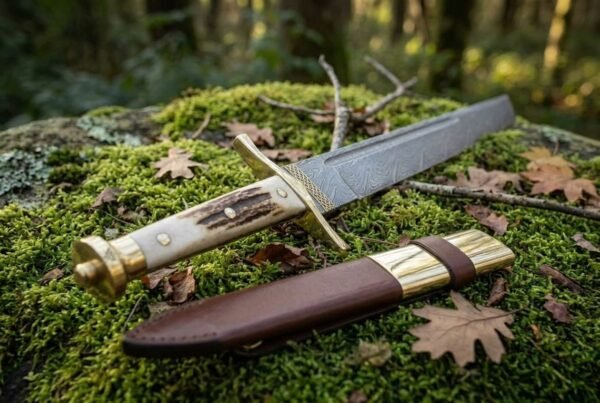
Stagwarden Hand Forged Damascus Viking Seax | 24.5 Inch Overall with 18 Inch Blade | Norse Collector Gift | RK-1282
Original price was: $320.00.$256.00Current price is: $256.00.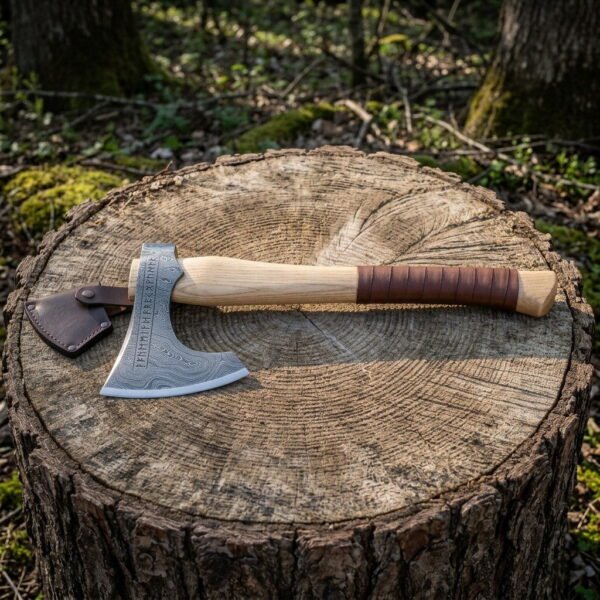
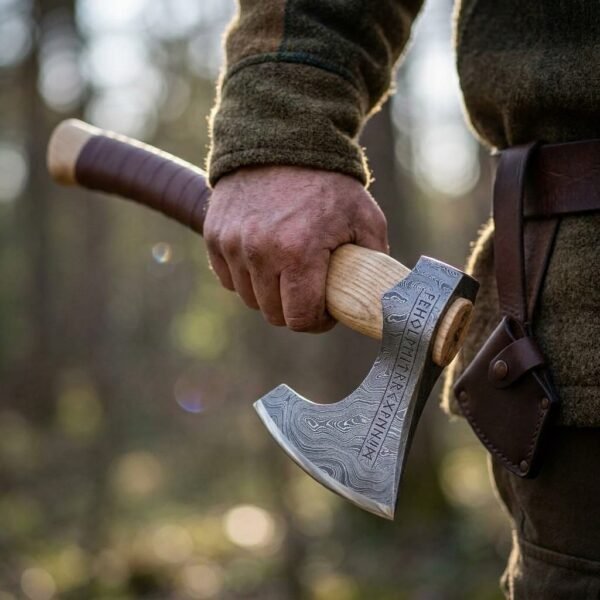
Whorlbeard Hand Forged Damascus Bearded Axe | 16 Inch Ash Haft | Rune Bordered Head with Leather Edge Cover | Norse Camp and Carving Gift | RK-1835
Original price was: $329.00.$263.20Current price is: $263.20.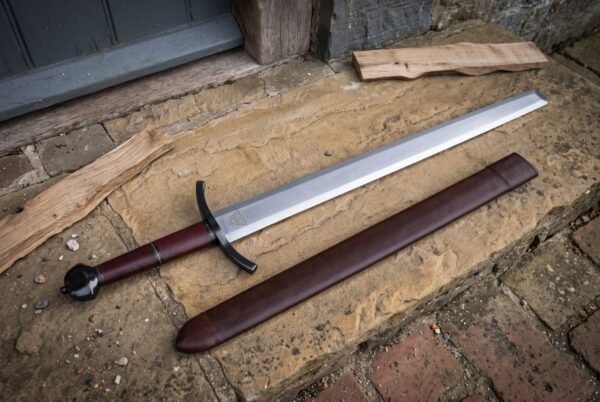
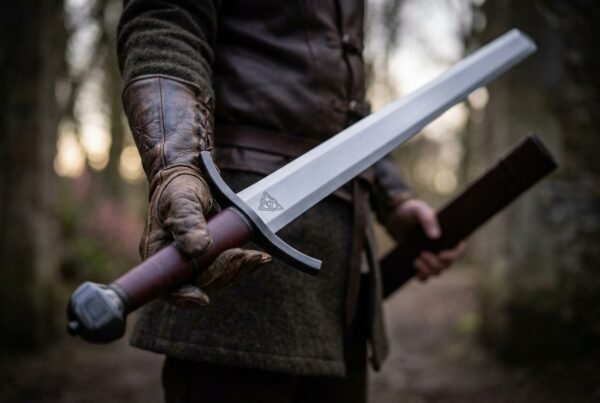
Wynthorn Hand Forged 1095 Steel Arming Sword | 37 Inch Overall with 31 Inch Blade | Blackened Curved Guard and Oxblood Leather Grip and Matching Scabbard | Knightly Collector Gift | RK-2121
Original price was: $449.00.$359.20Current price is: $359.20.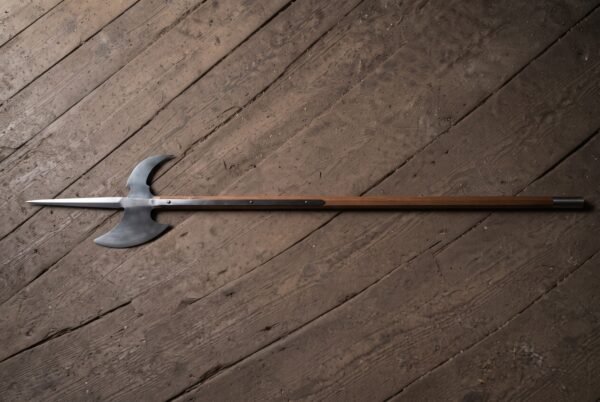
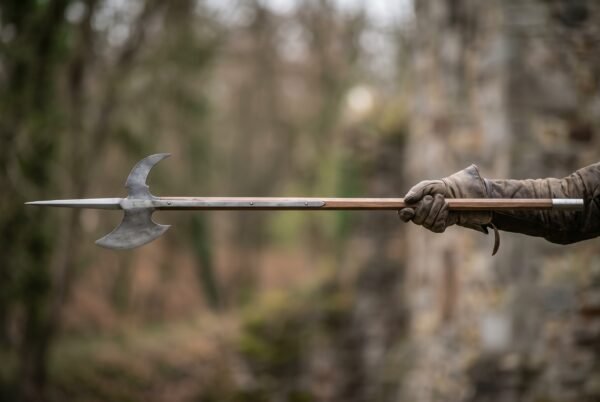
Grimhook Hand Forged High Carbon Steel Battle Halberd | 64 Inch Overall with a 15 Inch Head | Hardwood Haft and Riveted Steel Langets and No Sheath Required | Reenactment Display Gift | RK-1366
Original price was: $749.00.$599.20Current price is: $599.20.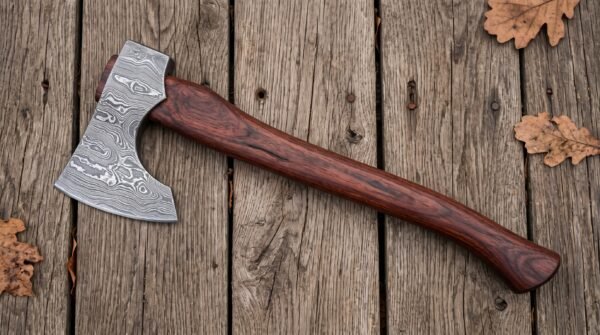
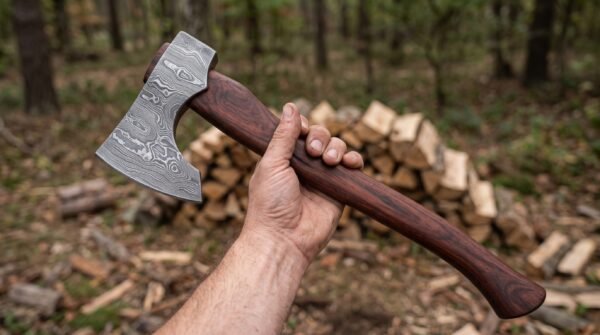
Emberhawk Hand Forged Damascus Bearded Axe | 20 Inch | Rosewood Handle with Leather Blade Cover and Gift Box | Hunting Camping Collector Gift | RK-404
Original price was: $159.00.$127.20Current price is: $127.20.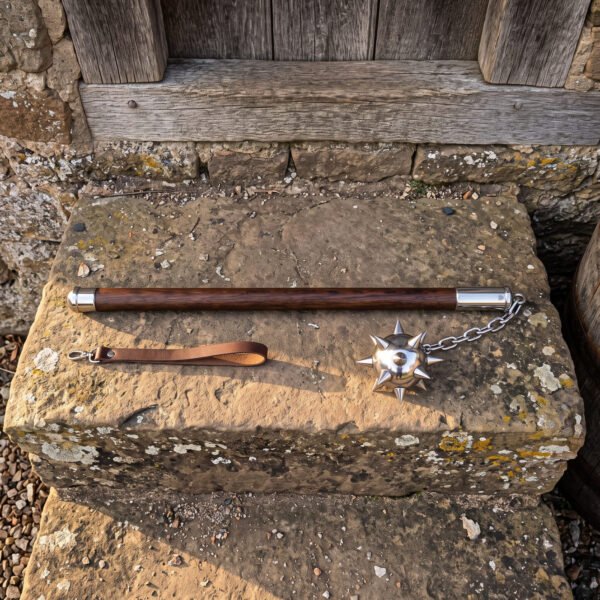
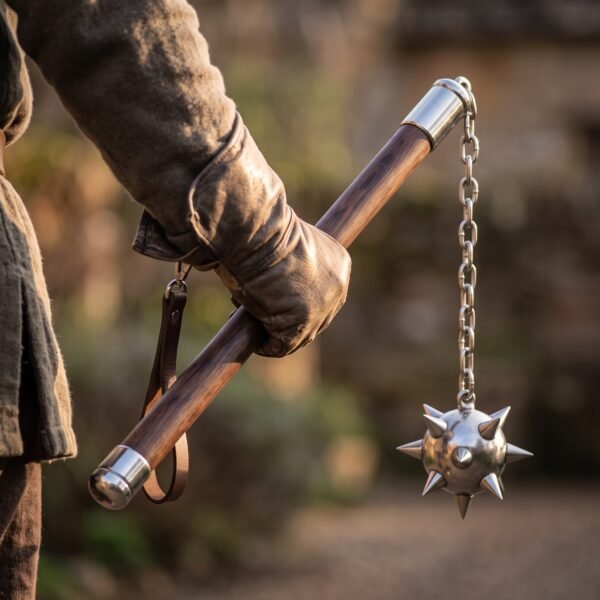
Chainmaw Hand Forged High Carbon Steel Medieval Flail | 27 Inch Overall with a 20 Inch Haft | American Walnut Haft and Polished Steel Ferrules | Reenactment Collector Gift | RK-1356
Original price was: $225.00.$180.00Current price is: $180.00.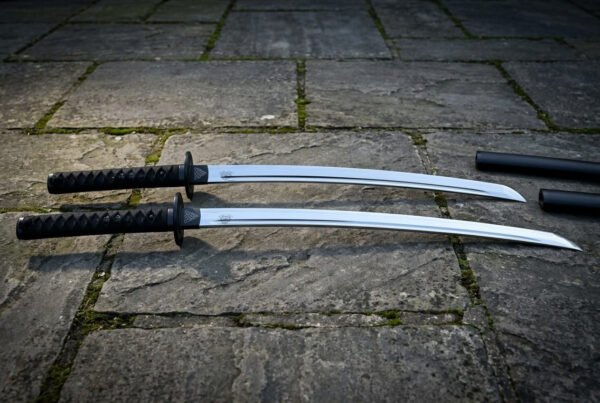
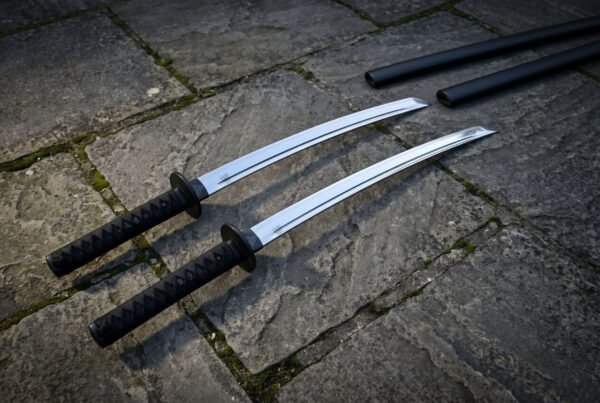
Valkshade Hand Forged Twin Ninjato Sword Set with Valknut Etched Blades | Cord Wrapped Handles and Round Iron Tsuba | Two Black Scabbards | Norse Collector Gift | RK-2072
Original price was: $629.00.$503.20Current price is: $503.20.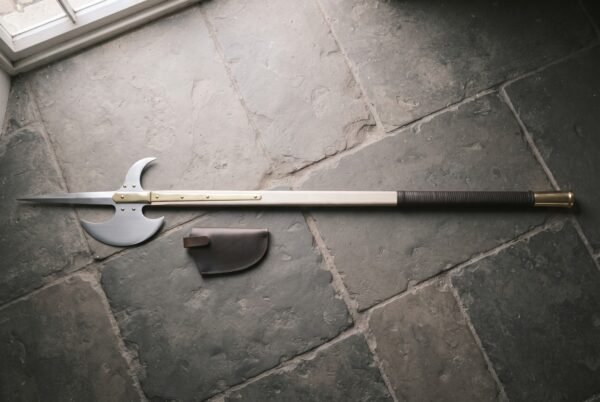
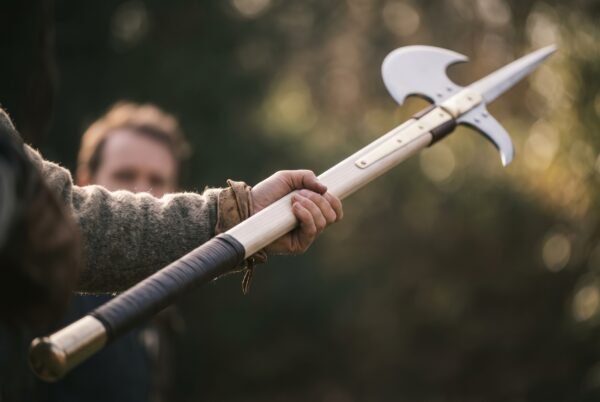
Wardenpike Hand Forged High Carbon Steel Halberd | 60 Inch Overall with a 16 Inch Head | Reenactment Display Gift | RK-1363
Original price was: $749.00.$599.20Current price is: $599.20.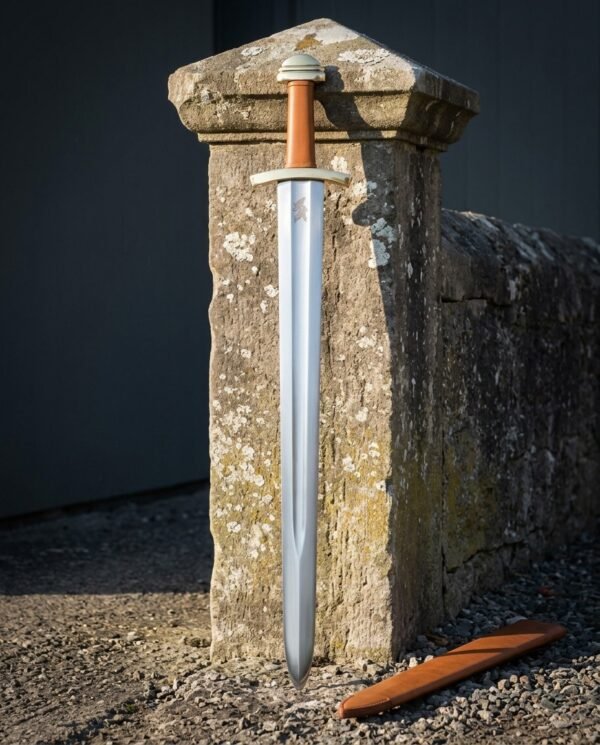
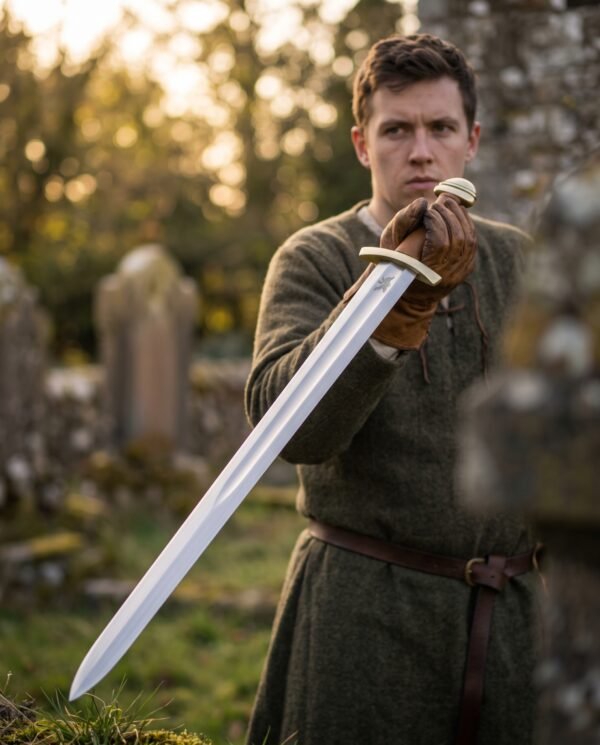
Emberhilt Hand Forged 1095 Steel Viking Sword with Brass Dome Pommel | 29 Inch Fullered Blade and Etched Raven Mark | Tan Leather Grip and Fitted Leather Scabbard | Norse Reenactor Gift | RK-1715
Original price was: $459.00.$367.20Current price is: $367.20.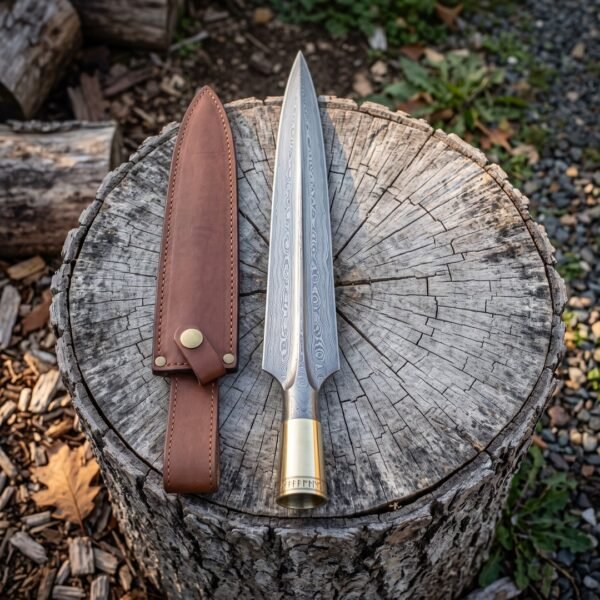
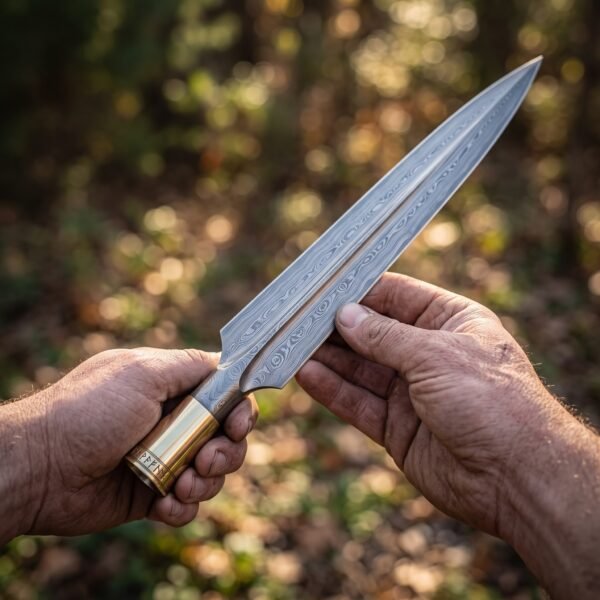
Wyrmfang Hand Forged Damascus Steel Spearhead with Brass Socket Collar & Leather Blade Sheath | Norse Reenactment Gift | RK-1511
Original price was: $239.00.$191.20Current price is: $191.20.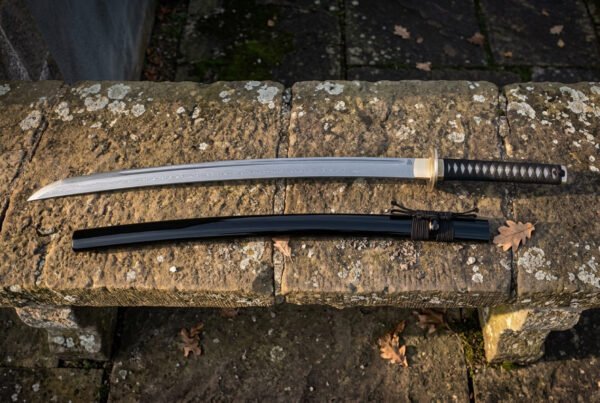
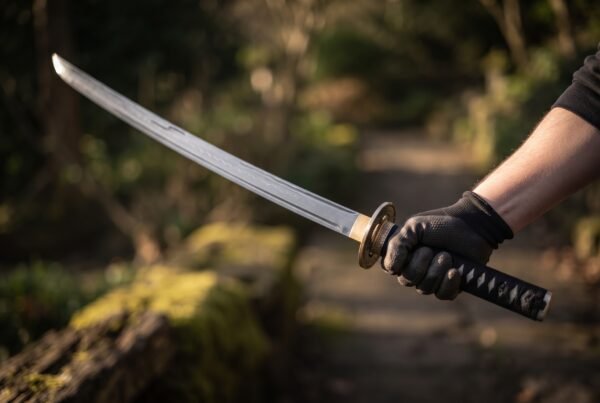
Nightreed Hand Forged High Carbon Steel Katana | 41 Inch Overall with 28.5 Inch Blade | Black Lacquered Wooden Saya and Cord Sageo | Japanese Collector Gift | RK-1271
Original price was: $499.00.$399.20Current price is: $399.20.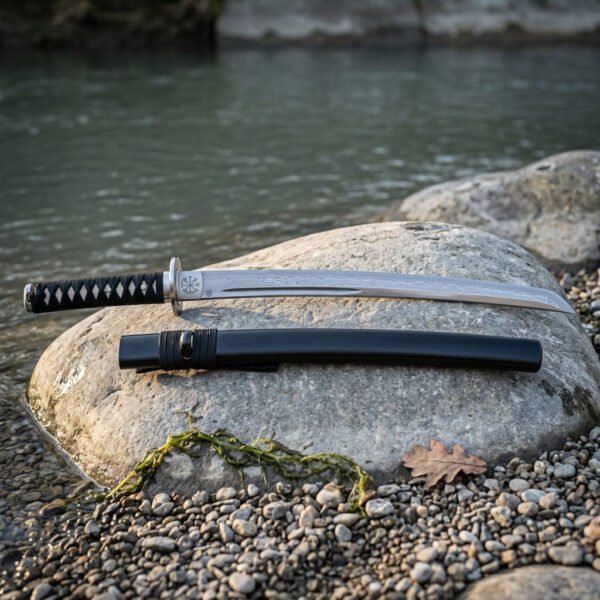
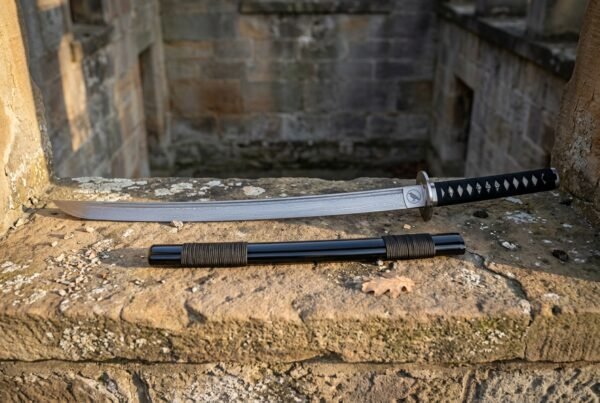
Riverstone Hand Forged High Carbon Steel Wakizashi | 28 Inch Overall with 19.5 Inch Blade | Black Lacquered Wooden Saya and Cord Sageo | Norse Collector Gift | RK-1274
Original price was: $285.00.$228.00Current price is: $228.00.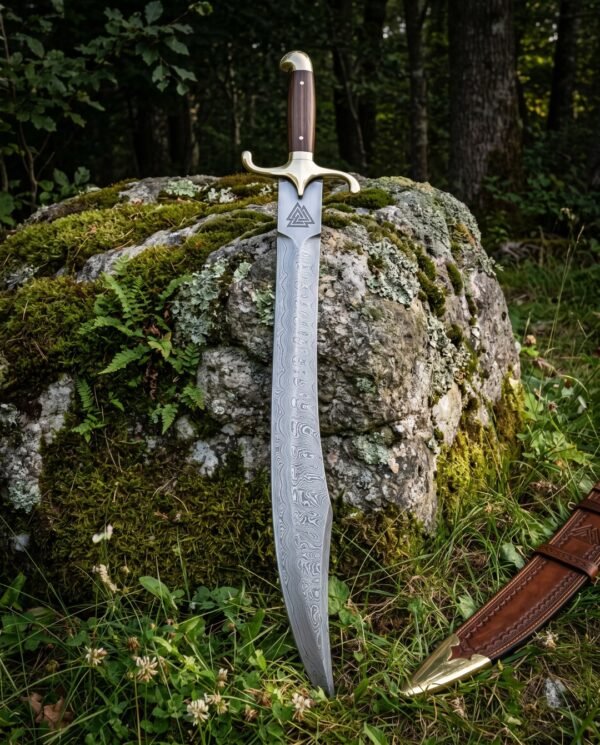
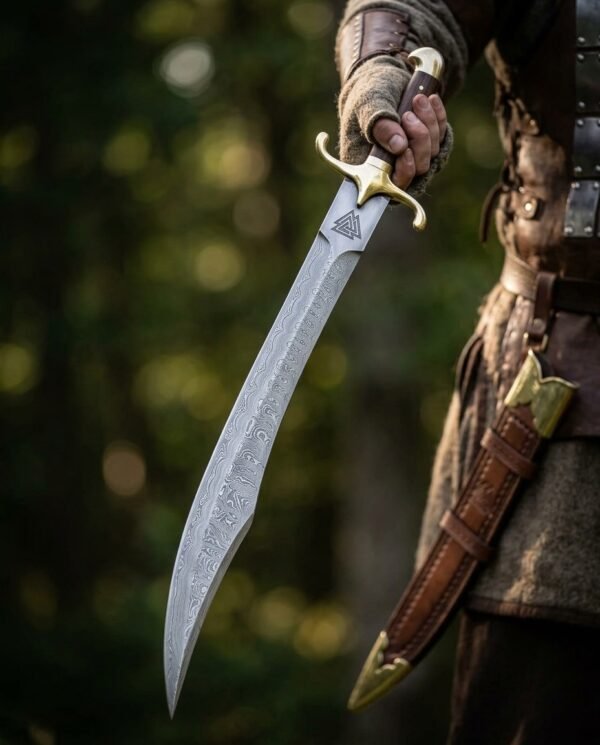
Wolfnotch Hand Forged Damascus Viking Long Seax with Rosewood Grip | Curved Clip Point Blade and Valknut Etch | Brass Guard and Tooled Leather Sheath | Norse Warrior Gift | RK-1613
Original price was: $299.00.$239.20Current price is: $239.20.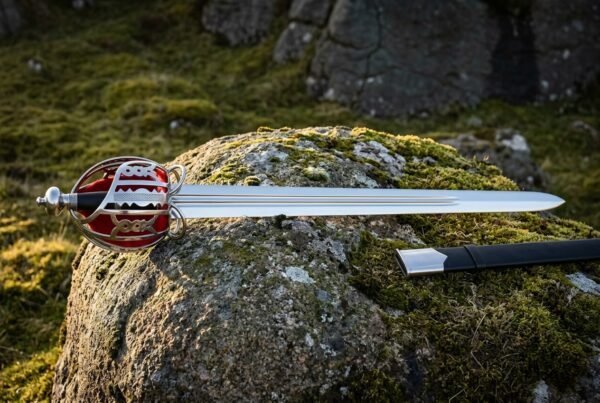
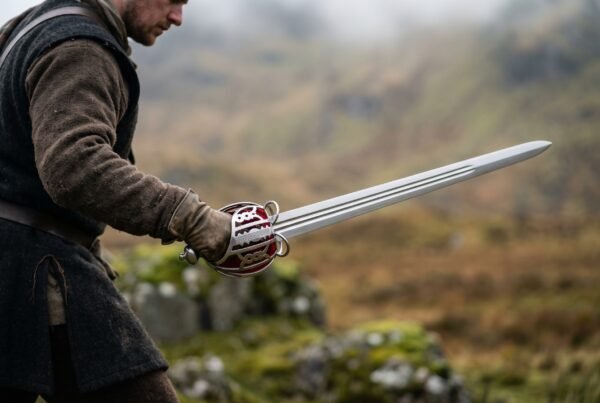
Bramblehilt Hand Forged 1095 Steel Basket Hilt Broadsword | 38 Inch Overall with a 32 Inch Blade | Pierced Steel Basket, Red Liner and Black Scabbard | Highland Collector Gift | RK-1738
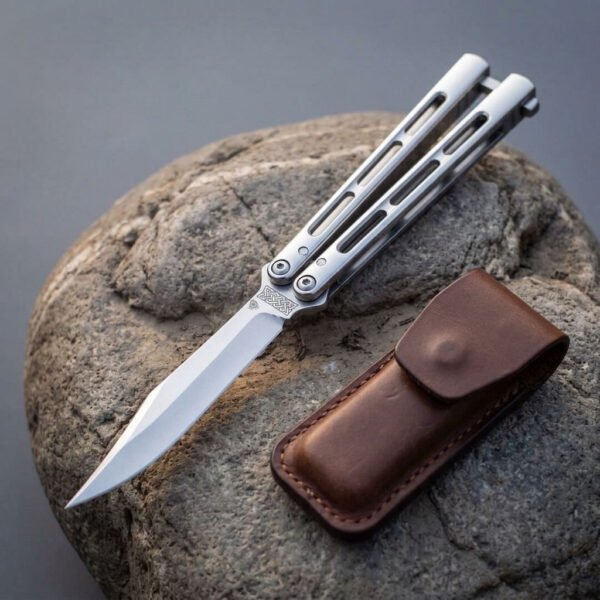
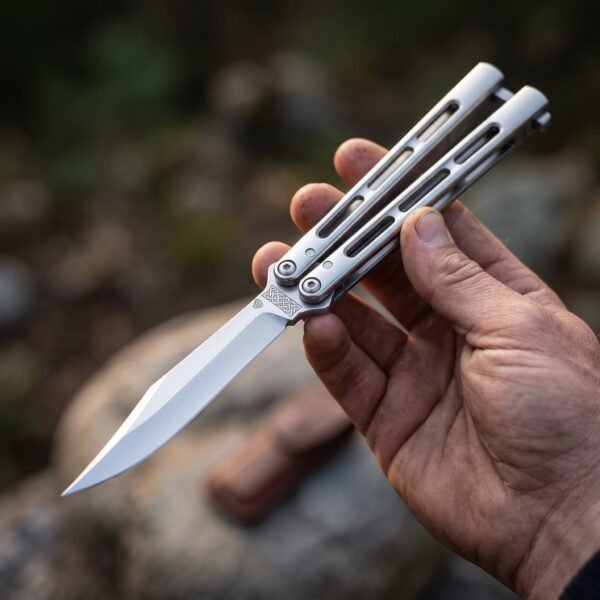
Pivotwing Hand Forged 1095 Steel Butterfly Knife | 9.5 Inch Open with 4.5 Inch Clip Point Blade | Skeletonised Channel Handles, Knotwork Etching and Leather Belt Pouch | EDC Gift | RK-1962
Original price was: $189.00.$151.20Current price is: $151.20.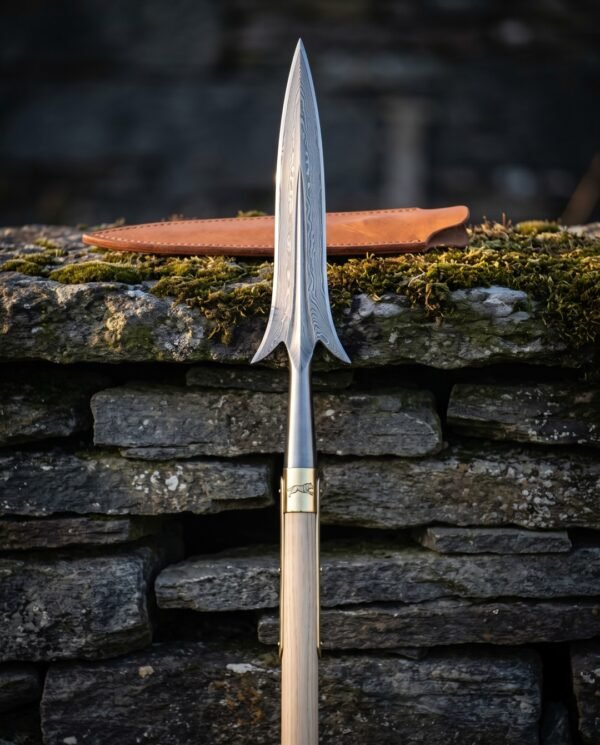
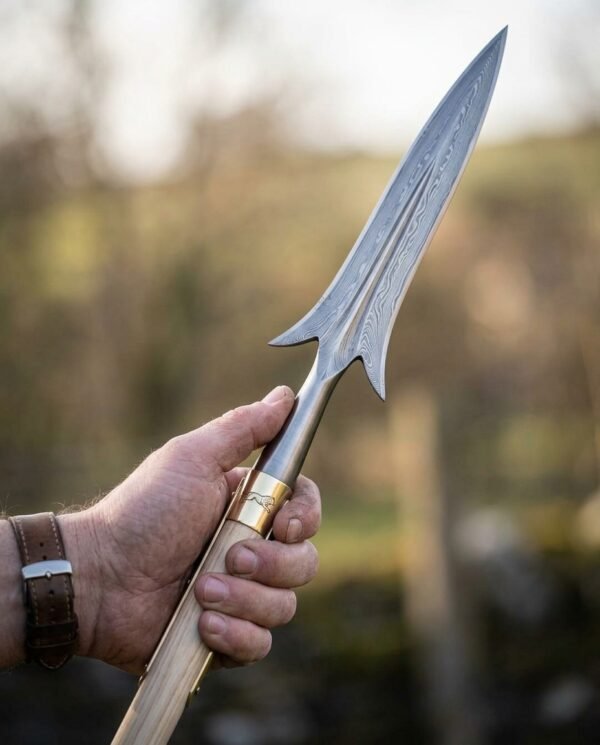
Thornwake Hand Forged Damascus Winged Spear | 12 Inch Head on a 72 Inch Ash Haft | Brass Ferrule and Leather Head Sheath | Norse Reenactment Gift | RK-1591
Original price was: $429.00.$343.20Current price is: $343.20.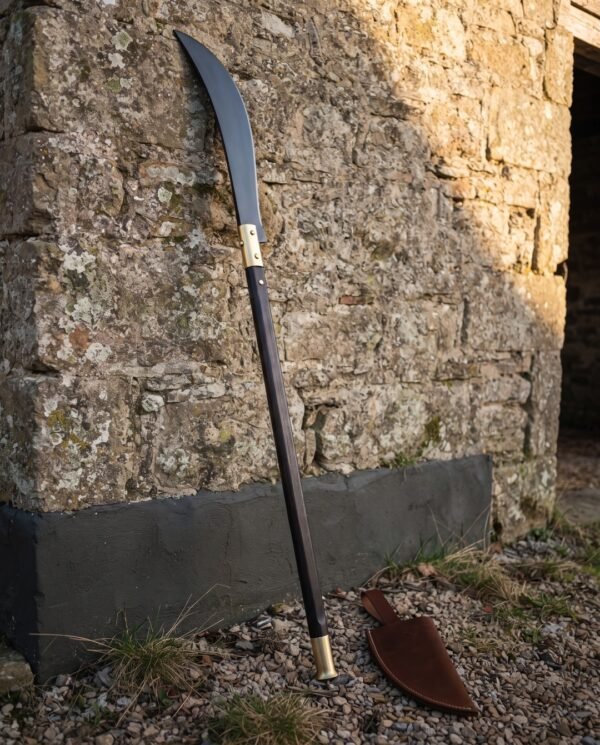
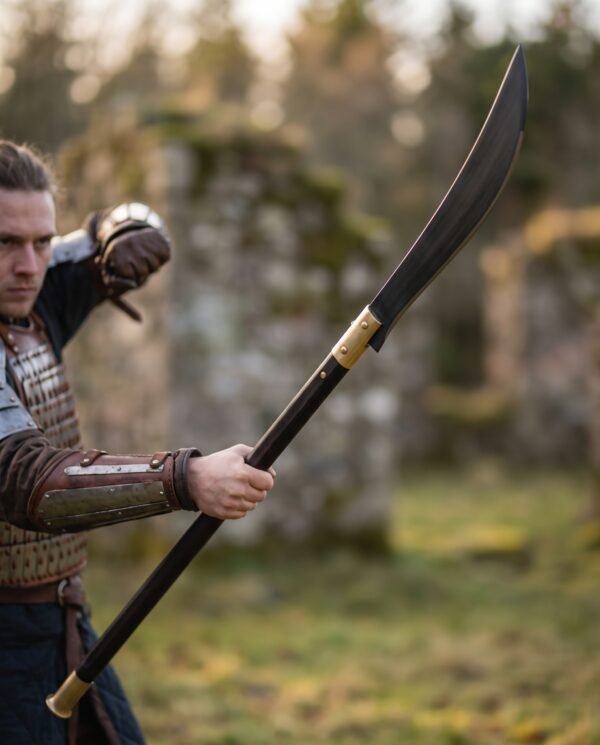
Ravenreave Hand Forged High Carbon Steel Medieval Glaive | 62 Inch Overall with a 24 Inch Blade | Reenactment Display Gift | RK-1373
Original price was: $749.00.$599.20Current price is: $599.20.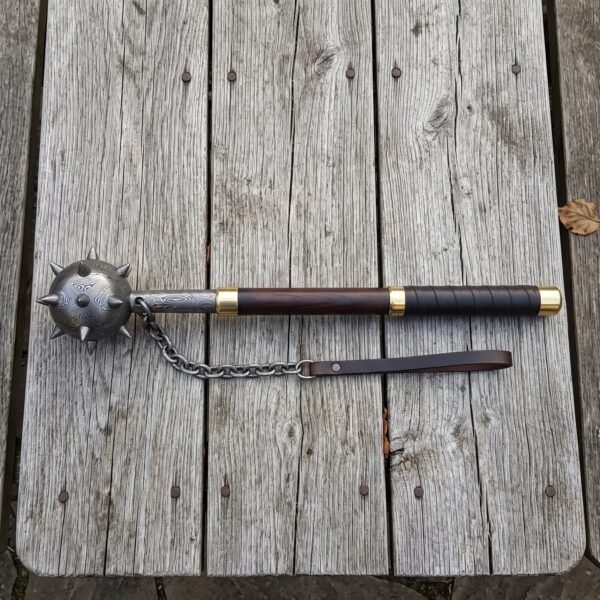
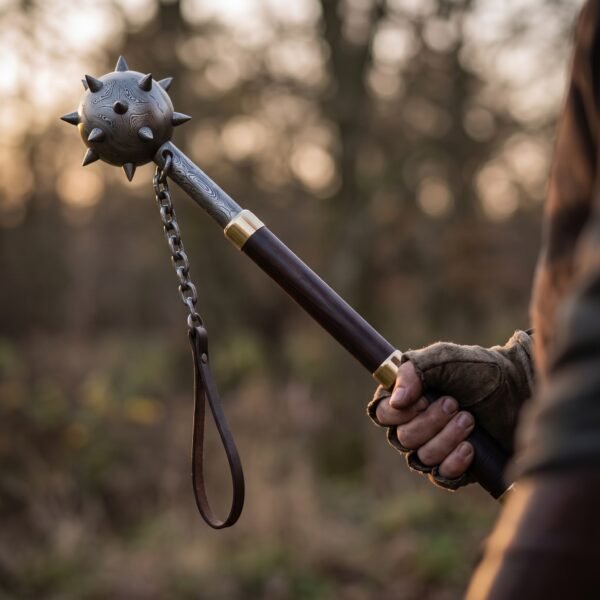
Stormlink Hand Forged Damascus Steel Flail | 29 Inch Overall with a 3 Inch Head | Damascus Spiked Ball Head on a Patterned Fore Shaft | Reenactment Collector Gift | RK-1357
Original price was: $295.00.$236.00Current price is: $236.00.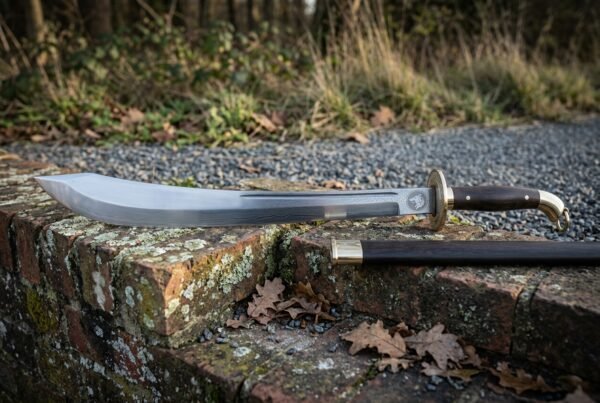
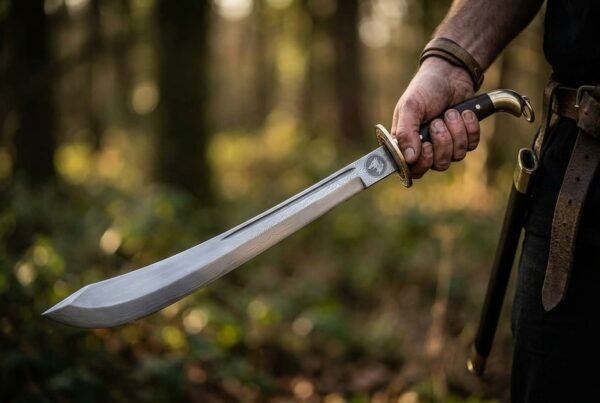
Grimwake Hand Forged Damascus Steel Falchion Sword | 30 Inch Overall with 24 Inch Blade | Dark Hardwood Grip and Brass Disc Guard and Pommel | Collector and Display Gift | RK-1290
Original price was: $385.00.$308.00Current price is: $308.00.What Norse arms covers
This is the hub for everything hafted. If a piece has a head on the end of a shaft, it lives here or in one of the sixteen categories beneath it. Hand axes, long axes, spears, polearms and blunt heads sit together because they share a problem swords and knives do not have: a head, a haft, and a joint between the two that has to survive being swung.
The Norse label is honest for most of it and loose for some. Bearded axes, Dane axes, Viking spears and Thor's hammers are Scandinavian shapes. Halberds, poleaxes, glaives and flanged maces are later medieval forms that grew out of the same problem, which is how to reach further than a sword and still hit hard. Tomahawks and felling axes are here because they are hafted, and because people looking for Viking axes swords and spears want to see them side by side.
Almost nothing in the Norse world was made for one purpose. The axe that split firewood in the morning went to the ship in the afternoon. That is worth remembering when you wonder what splitting axes are doing on the same page as Dane axes.
The families in this collection
Sixteen categories sound like a lot until you group them: hand axes, long axes, thrown pieces, working axes, pole mounted blades and blunt heads.
Bearded axes
The signature Norse shape and the largest category here. The beard is the hook of steel dropping below the eye. It lengthens the cutting edge without adding weight above it and leaves a gap you can choke up into for fine work. Sizes run 15 to 35 inches overall with 4 to 7 inches of edge from horn to beard, weighing 1 lb 10 oz to 3 lb 4 oz complete, on pale ash, dark walnut, birch, hickory or rosewood hafts, many leather or cord wrapped.
Battle axes and war axes
Broader heads with a deeper crescent, and on several pieces a spike or hammer poll on the back. They measure 16 to 34 inches overall with 4.5 to 10 inches of cutting edge at 1.75 lb up to 4 lb 8 oz. The heavier ones are wall pieces.
Dane axes
The two handed long axe of the huscarl, a wide thin crescent on a shaft you grip with both hands. Here they run 28 to 34 inches overall with 6 to 10 inches of edge at 2 lb to 4 lb 6 oz, hafted in American ash, usually dark stained and wrapped. The head is thin for its width on purpose, because a Dane axe was made to cut rather than to split.
Double headed and medieval axes
Twin bitted heads, 19 to 34 inches overall, one measuring 11 inches from horn to horn, at 2.5 lb to 4 lb 8 oz. The medieval axes are single bitted with steel langets down the haft, 20 to 50 inches overall with 9 to 10 inch heads. Langets are the giveaway of a later piece, since they stop a blade shearing the shaft.
Throwing axes and tomahawks
Light, plain, and sold in matched sets in some cases. Throwing axes here are 14 to 20 inches overall with 3.5 to 5.5 inches of edge, about 1.1 lb each across a set. Tomahawks run 14 to 20 inches with a 3.5 inch edge on a hickory or rosewood haft. Throwing pieces are consumables: they hit frames, bounce off stone and take dents.
Splitting and felling axes
The working end of the collection: 14 to 30 inches overall with 4 to 4.5 inches of edge, 1.5 lb to 4 lb 6 oz complete, hung on American hickory, ash or walnut. A splitting head is thick behind the edge so it wedges the grain apart. A felling head is thin so it slices across it. Using one for the other job is the fastest way to ruin an edge.
Viking spears
The most common piece in the Norse world and the cheapest to make, since a spear is a little steel on a long piece of wood. Assembled lengths run 60 to 74 inches, with one at about eight feet, and heads of 5 to 18 inches including the socket. Complete weights sit at 3 lb 2 oz to 3 lb 6 oz. Shafts are straight grained ash with brass or steel ferrules. Several heads are sold on their own.
Glaives and polearms
Single edged blades on a long shaft, 34 to 62 inches overall with 18 to 26 inches of blade, weighing 2 lb 4 oz to 5 lb 4 oz. Hafts are American ash or dark hardwood, oil finished, sometimes leather wrapped with a steel butt ferrule. A glaive is a big knife on a stick, and it reads that way on a wall.
Halberds
Three things on one head: an axe blade, a spike above it and a hook behind. Hafted pieces here are 60 to 66 inches overall at 5.2 lb to 6.2 lb, with 6 to 6.5 inch crescent blades. Several heads are sold without a shaft at 17 to 19 inches including the langets and 2.6 lb to 2.9 lb, drilled for through fixing and sized for a haft of about 1.25 inches.
Poleaxes
The knight's answer to plate armour. An axe blade or hammer face on one side, a spike on the other, a top spike, and steel langets riveted down the shaft. They run 33 to 58 inches overall with 5.5 to 6 inch cutting edges at 3.2 lb to 5.2 lb, hafted in American ash or walnut. This is the one piece here designed against armour rather than against a shield.
Maces
Flanged and knopped heads on a short shaft, 26 to 29 inches overall with heads of 5.5 to 7 inches and 3 to 3.25 inches across the flanges, at 2 lb to 3.6 lb. Hafts are rosewood, walnut or ash with polished steel fittings, and one is blackened steel throughout. A flange concentrates the blow on a narrow line instead of spreading it.
Thor's hammers
Hafted hammers with a Mjolnir profile, 15 to 24 inches overall, one with a head about 6 inches across, on walnut, ash or rosewood hafts, some leather wrapped, some with a collar at the eye. A few are pattern welded 1095 and 15N20.
Sizes and weights across the range
Every figure below comes from the specification panel of a piece in this collection. These are forged and hafted by hand, so read the ranges as what to expect.
| Type | Overall length | Head or blade | Listed weight | Haft | Best for |
|---|---|---|---|---|---|
| Bearded axe | 15 to 35 in | 4 to 7 in cutting edge | 1 lb 10 oz to 3 lb 4 oz | Ash, walnut, birch, hickory, rosewood | Belt carry, camp work, reenactment |
| Battle axe | 16 to 34 in | 4.5 to 10 in cutting edge | 1.75 lb to 4 lb 8 oz | Ash, walnut, dark stained hardwood | Display and living history |
| Dane axe | 28 to 34 in | 6 to 10 in crescent edge | 2 lb to 4 lb 6 oz | American ash, dark stained, wrapped | Two handed long axe display |
| Double headed axe | 19 to 34 in | 11 in horn to horn on one piece | 2.5 lb to 4 lb 8 oz | Ash and walnut, brass collared | Wall pieces and stage kit |
| Viking spear | 60 to 74 in assembled | 5 to 18 in head with socket | 3 lb 2 oz to 3 lb 6 oz | Straight grained ash, oiled | Stands, wall mounts, reenactment |
| Glaive and polearm | 34 to 62 in | 18 to 26 in blade | 2 lb 4 oz to 5 lb 4 oz | American ash or dark hardwood | Long wall display |
| Halberd | 60 to 66 in hafted, 17 to 19 in head only | 6 to 6.5 in crescent | 5.2 to 6.2 lb hafted, 2.6 to 2.9 lb head only | American ash or walnut, oil finished | Full height display |
| Poleaxe | 33 to 58 in | 5.5 to 6 in cutting edge | 3.2 lb to 5.2 lb | American ash or walnut with steel langets | Late medieval kit |
| Mace | 26 to 29 in | 5.5 to 7 in head | 2 lb to 3.6 lb | Rosewood, walnut, ash, or steel shaft | Display and collecting |
| Throwing axe | 14 to 20 in | 3.5 to 5.5 in edge | About 1.1 lb each | Hickory or rosewood | Target throwing |
The figure people misjudge is weight, not length. Four pounds on a 34 inch haft feels nothing like four pounds held close, because almost all of it sits at the far end. If you intend to handle a piece rather than hang it, take the lighter option.
Steel, hardness and how a head is hung
Heads are 1095 high carbon steel hardened to 54 to 58 HRC. A smaller run is 1095 and 15N20 forge welded Damascus at 58 to 60 HRC, etched so the layers read as light and dark bands. A few older listings state another grade in their own specification table, and that table is the accurate answer.
An axe head is hung one of two ways here. Most are wedge hung: the haft is driven through the eye, then a wooden wedge is driven into a saw kerf in the end grain, swelling the wood outward until it locks against the taper of the eye. Some add a steel cross wedge. Others are pinned, with a rivet through head and haft. Wedge hanging is traditional and can be redone if a haft needs replacing.
The eye of a hand forged head is not a machine cut rectangle. It is drifted, punched and then opened with a tapered tool, so it is slightly irregular and tapered from bottom to top. That taper is what stops the head leaving in the direction of the swing.
Hafts, wedges and looking after wood
Hafts are white ash, American hickory, walnut, birch, oak and rosewood. Ash and hickory are the working choices because they are tough along the grain and flex slightly instead of snapping. Walnut, birch and rosewood are chosen for colour and finish, which suits a display piece.
Look at the grain on the end of the haft when it arrives. Growth rings running roughly parallel to the blade are what you want on anything that will be swung. Wood shrinks and swells with humidity, so a wedge that felt tight in a damp month can feel loose in a dry one. Check the head before every use by tapping the butt on something solid, and if it shifts, stop and wedge it again. Keep hafts out of sun and away from radiators, and rub in boiled linseed oil once or twice a year.
Edges, sharpening and rust
A hand forged head arrives with a working edge and dulls with use. The tool is a file first and a stone second. Draw a mill file along the bevel at the existing angle, from the beard to the horn, then refine with a coarse and a fine stone worked in circles along the curve.
Never grind an axe on a fast dry wheel. Carbon steel at 54 to 58 HRC overheats at the thin edge long before you feel it in the head, and a blued or straw coloured edge has been softened and will not hold.
Rust prevention is a habit rather than a product. Wipe the head dry, leave a light film of oil on the steel, and store it out of a leather sheath if it will sit for months. Grey patina is harmless. Orange spotting lifts with fine abrasive and oil.
Display, throwing and the rules where you live
Long pieces want two mounting points and a wall that will take the load. Hang a spear or a halberd so the head sits above eye height and nothing sharp is at shoulder level. Support the shaft rather than the head, and never hang a hafted piece from the eye alone. For throwing, use a target of soft end grain wood rather than plywood, and clear a lane behind you as well as in front.
Ownership and carry rules in the United States vary by state and often by city. Axes are treated differently from knives in most codes, but not everywhere, and a long hafted piece in a vehicle attracts questions the same piece at home never would. Read our state by state summary first, and treat it as a summary rather than legal advice.
Engraving and gifting
Most heads and hafts here can be engraved after they arrive in the United States. The cheek of the head takes a stave or a knot, and the haft takes lettering along the grain. The marks asked for most are a name, a date, an Elder Futhark line, a Vegvisir and a Valknut. Elder Futhark is phonetic, so a name is transliterated by sound. Engraving is permanent and cannot be returned, so send the exact spelling.
Where these pieces are made
Everything here is made by hand in the Czech Republic. Finished pieces are imported to the United States, inspected by Ransack Viking in Chicago, Illinois, and shipped from there, with engraving cut after arrival. Differences in grain, stain colour and forge finish between two pieces of the same name are normal.
Browse every category in this collection
- Bearded axes with the hooked Norse edge
- Battle axes with broad crescent heads
- Dane axes, the two handed long axe of the huscarl
- Double headed axes with twin bits
- Medieval axes with steel langets down the haft
- War axes with spiked and hammer polls
- Francisca axes, the Frankish throwing axe
- Throwing axes sold in matched sets
- Tomahawks with light heads and long hafts
- Splitting and felling axes for firewood
- Viking spears and loose spear heads
- Glaives and polearms with long single edged blades
- Halberds, hafted and as heads alone
- Poleaxes with spike, blade and hammer face
- Maces with flanged and knopped heads
- Thor's hammers on hafted shafts
- Viking axes, the whole axe range in one place
- Swords across every medieval and Norse type
- Viking knives and seax shapes
- Viking armour, helmets and shields
- Viking round shields for the wall
Guides worth reading first
- Viking axe history: bearded axes, Dane axes and how they were used
- How to choose a Viking axe: head, haft and what it is for
- The Viking spear: the most common arm in the north
- Mace vs war hammer vs flail: what each one actually did
- How to sharpen an axe, step by step with file, stone and strop
Frequently asked questions
What does Norse arms mean on this site?
It is the hub for everything hafted: axes of every shape, spears, glaives, halberds, poleaxes, maces and Thor's hammers. Sixteen categories sit under it. Swords and knives have their own sections.
What did Vikings actually carry?
The spear first, because it used the least steel and reached furthest, then the axe, which nearly every household already owned as a tool. Swords were expensive and far less common.
What is the difference between a bearded axe and a battle axe?
The beard is the hook of steel dropping below the eye, which lengthens the edge without adding weight above the haft. A battle axe here means a broader, deeper crescent head, often with a spike or hammer on the back. Bearded axes run 1 lb 10 oz to 3 lb 4 oz complete, battle axes 1.75 lb to 4 lb 8 oz.
How long is a Viking spear?
The assembled spears here run 60 to 74 inches, with one at about eight feet, and heads of 5 to 18 inches including the socket. Complete weights are 3 lb 2 oz to 3 lb 6 oz. Loose heads are sold for anyone cutting a shaft to their own height.
Are these pieces sharp?
Most heads arrive with a working edge rather than a razor edge, because a very thin edge on a heavy head chips. The specification table on each product page states the edge finish for that piece.
Can I replace a haft if it breaks?
On a wedge hung head, yes. Drive out the old wedge and haft, fit a new one shaped to the drifted eye, saw a kerf in the end grain and drive a fresh wedge home. Pinned heads are harder. Replacement handles and hafts are sold separately.
Can I have an axe or spear engraved?
Yes, on most pieces. The cheek of the head takes a stave or a knot and the haft takes lettering along the grain. Engraving is cut in the United States after the piece arrives and passes inspection, so send the exact spelling. Engraved pieces cannot be returned.
Where are these pieces made?
They are made by hand in the Czech Republic, then imported, inspected and shipped by Ransack Viking from Chicago, Illinois, with any engraving cut in the United States after arrival.
Featured pieces
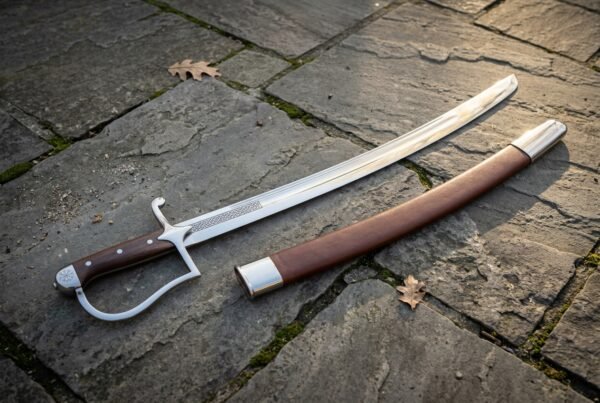 Duskwend Hand Forged High Carbon Steel Sabre Sword
Original price was: $335.00.$268.00Current price is: $268.00.
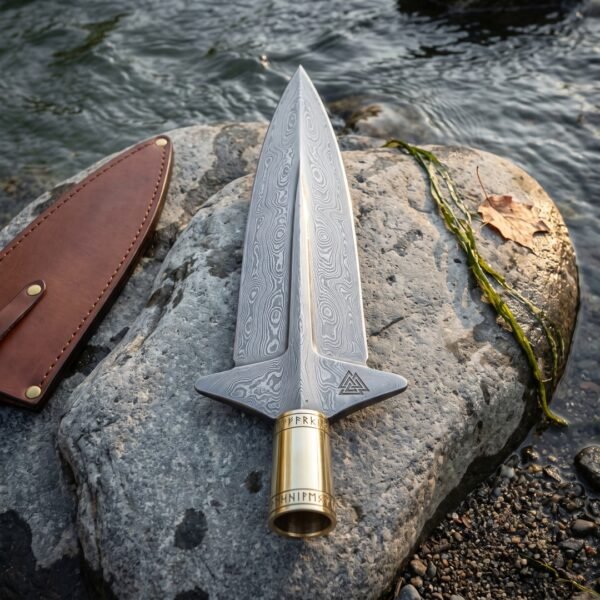 Wyrmtooth Hand Forged Damascus Viking Spearhead with Winged Lugs & Runed Brass Socket
Original price was: $269.00.$215.20Current price is: $215.20.
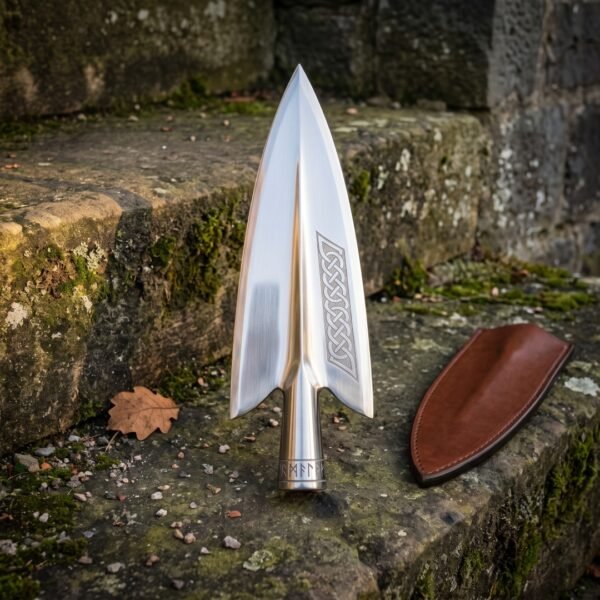 Silverleaf Hand Forged 1095 Steel Viking Spearhead with Knotwork Engraving & Runed Socket
Original price was: $189.00.$151.20Current price is: $151.20.
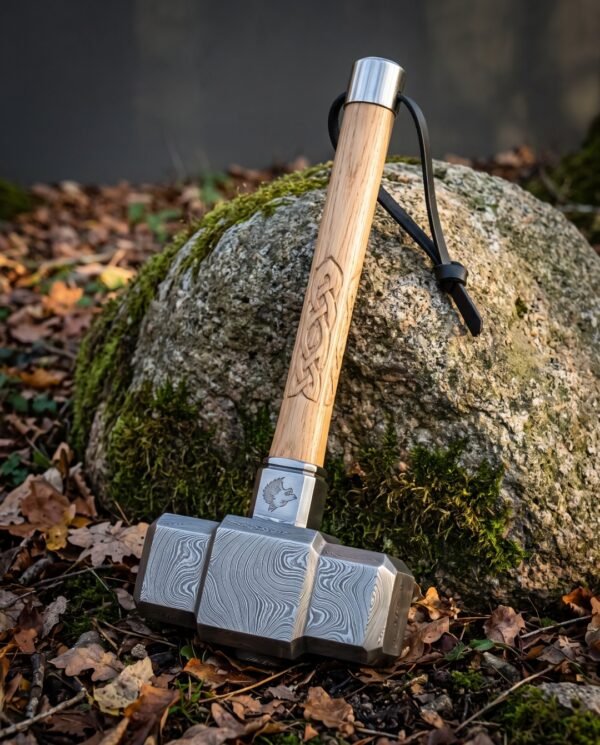 Thundergrain Hand Forged Damascus Mjolnir Style Hammer with Carved Ash Handle & Norse Knotwork Panel
Original price was: $279.00.$223.20Current price is: $223.20.