
Blog
Is Damascus Steel Good? Myths vs Facts

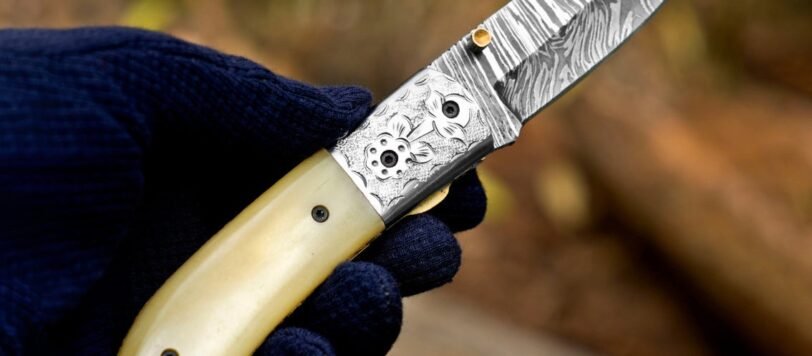
Yes, Damascus steel is good, provided it is genuine pattern-welded steel made from quality components and properly heat treated. A well-forged Damascus blade of 1095 high-carbon and 15N20 nickel steel takes a very keen edge, holds it well, and is tough enough for hard field use. What Damascus is not is a magical super-metal: it will not outcut every modern steel, and it will rust if you neglect it. This guide separates the myths from the facts so you know exactly what you are paying for.
What “Good” Depends On
Damascus is a construction method, not a single alloy, so quality varies with three things: the steels inside it, the soundness of the forge welds, and the heat treatment. The standard modern pairing, 1095 and 15N20, is genuinely good blade steel. 1095 brings high carbon content for hardness and edge retention; 15N20 brings nickel for toughness and the bright layers in the pattern. When those steels are welded cleanly and hardened correctly, the finished blade performs like the excellent high-carbon knife it is. When welds are dirty or heat treatment is skipped, no amount of pattern can save the blade. Judge the maker, not the word “Damascus.”
Five Damascus Myths, Corrected
Myth 1: Damascus is the sharpest steel in the world
Fact: sharpness comes from geometry and heat treatment, not from layering. A Damascus blade can be brought to a scalpel edge, but so can many plain steels. What quality Damascus offers is a hard edge (typically in the upper 50s to around 60 HRC after proper hardening) that takes a fine polish and resharpens easily.
Myth 2: Modern Damascus is the lost steel of ancient legends
Fact: the legendary blades of Damascus were forged from wootz, a crucible steel whose production process was lost centuries ago. Modern Damascus is pattern-welded, layered steels forge-welded together, which is a different and equally historic technique used by Viking-age smiths. It is not fake; it is simply a different craft carrying the same name.
Myth 3: More layers means a better knife
Fact: layer count is aesthetic. Around 100 to 500 layers is typical; beyond that the pattern gets finer, not stronger. Every extra welding cycle is also another chance for a flaw, so a clean 200-layer blade beats a sloppy 1,000-layer one every time.
Myth 4: Damascus does not rust
Fact: pattern-welded Damascus made from 1095 and 15N20 is high-carbon steel and will corrode if stored wet or dirty. The fix is simple, wipe it dry and oil it lightly, but if you want zero maintenance, a stainless blade suits you better. Our comparison of Damascus steel vs stainless steel lays out that decision honestly.
Myth 5: All affordable Damascus is fake
Fact: hand-forging is labor-intensive, but genuine pattern-welded blades are made at a wide range of prices. What matters is that the seller names the steels, the pattern runs through the blade rather than sitting printed on the surface, and the maker stands behind the forge welds. Fakes do exist, usually laser-etched patterns on plain stainless, and they are worth learning to spot.
Damascus Steel: Honest Pros and Cons
| Aspect | Strength | Limitation |
|---|---|---|
| Edge performance | Takes a very keen edge; good retention from hardened 1095 layers | Not superior to every modern premium steel |
| Toughness | Nickel-bearing 15N20 layers resist chipping | Poor welds can delaminate under abuse |
| Corrosion | Light oil keeps it clean indefinitely | Rusts if neglected; not for wet storage |
| Appearance | Every blade is one of a kind | Pattern fades if heavily sanded or polished |
| Maintenance | Easy to resharpen with basic stones | Needs drying and oiling after use |
| Value | Hand work and material you can see | You pay a premium over plain carbon steel |
How Damascus Performs in Real Use
In the field, a good pattern-welded blade behaves like a top-shelf high-carbon knife. Hunters use Damascus skinner knives because the hard edge glides through hide without constant touch-ups, and full-size hunting knives in Damascus handle everything from camp chores to processing game. Larger blades such as Bowie knives benefit from the nickel layers’ toughness when batoning or chopping. For everyday carry, a Damascus folding pocket knife is one of the few tools that gets compliments while opening boxes. The one habit all of them demand: wipe the blade dry before it goes back in the sheath or pocket.
Who Should Buy Damascus, and Who Should Not
Damascus is a great fit if you appreciate hand-forged character, want strong cutting performance, and can spare thirty seconds of care after use. It is the wrong choice if the knife will live on a boat, sit in a wet sheath, or be treated as a disposable tool. In that case stainless is the practical pick, and there is no shame in it. Many owners split the difference: stainless for daily abuse, Damascus for the hunts, kitchens, and collections where a blade with a story earns its keep.
How to Judge Quality Before You Buy
A few checks tell you most of what you need to know. First, ask what steels are in the billet, a maker proud of the blade will say “1095 and 15N20” without hesitation, and vague answers are a warning sign. Second, look at the pattern along the spine and around the edge bevel: on genuine Damascus the layers wrap and continue over every ground surface, while an etched fake shows a pattern that stops dead at the grind lines. Third, check the fit of the handle and guard; a smith who takes pride in forge welds rarely ships sloppy fit and finish. Finally, ask about heat treatment. A blade that has been hardened and tempered will be described with a hardness range and confident use recommendations. None of these checks require tools or expertise, just a close look and two questions, and together they filter out nearly every disappointing blade before you spend a dollar.
Is Damascus Steel Good? FAQ
Is Damascus steel good for knives?
Yes. Genuine pattern-welded Damascus made from 1095 and 15N20 performs like excellent high-carbon steel, hard, keen, and tough, which makes it well suited to hunting, kitchen, outdoor, and everyday-carry knives, as long as you keep the blade dry and lightly oiled.
Does Damascus steel hold an edge well?
A properly heat-treated Damascus blade holds an edge comparably to good high-carbon steels, because that is what it is made of. Edge retention depends far more on hardening and blade geometry than on the layered pattern itself.
Is Damascus steel better than regular steel?
It is better than mediocre steel and comparable to other quality high-carbon steels. The honest advantages are the combination of hard and tough layers, easy resharpening, and a unique appearance, not some hidden performance leap over every modern alloy.
Is Damascus steel worth the money?
If you value hand-forged construction and a one-of-a-kind pattern along with real cutting performance, yes. If you only care about raw specifications per dollar, a plain carbon or stainless blade delivers similar cutting ability for less.
Does Damascus steel break easily?
No. A soundly welded Damascus blade is tough, and the nickel-rich 15N20 layers actively resist cracking. Failures almost always trace back to poor forge welds or abusive prying, not to the pattern-welding method itself.
How long does a Damascus knife last?
With basic care, dry after use, light oil before storage, sharpening as needed, a Damascus knife is a multi-generation tool. The steel does not wear out in a human lifetime of normal use; neglect and rust are the only real threats.