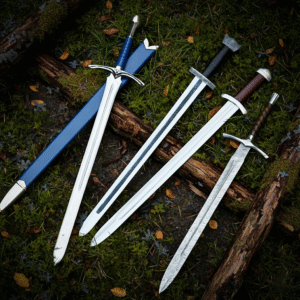
Norse swords, hand forged in the Viking pattern
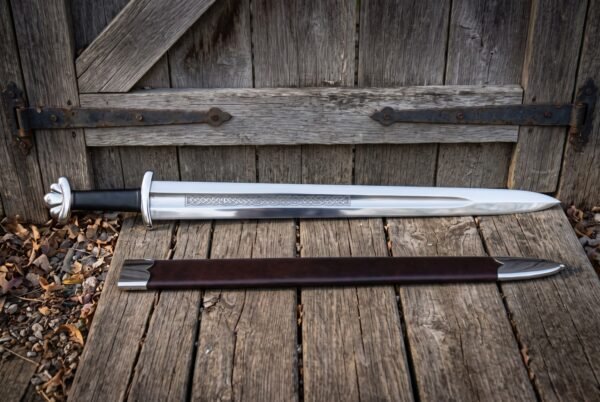
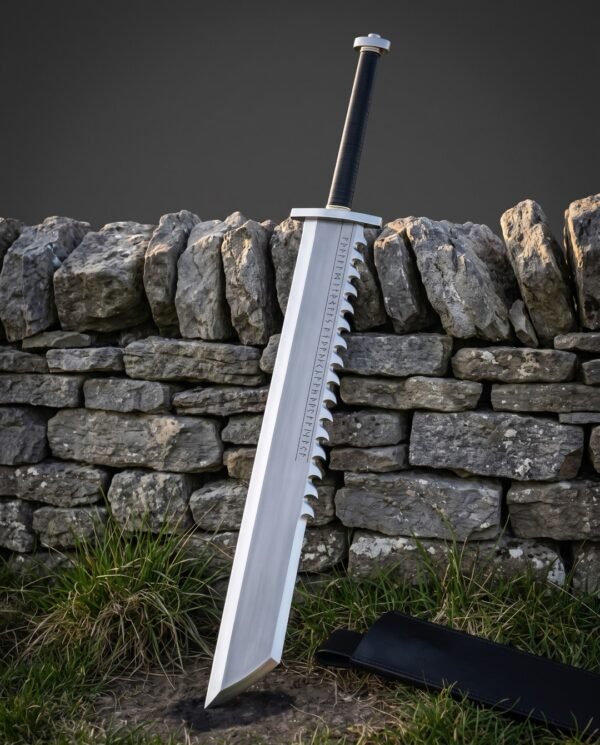
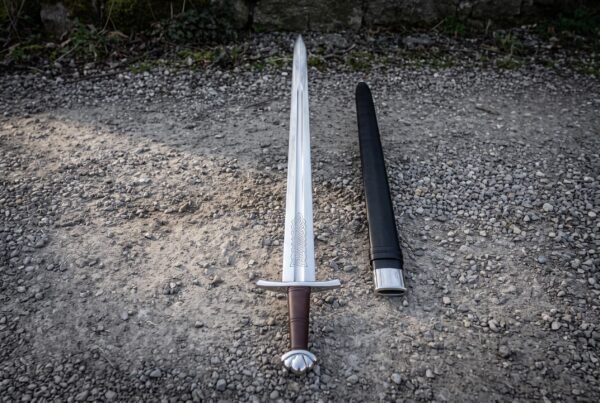
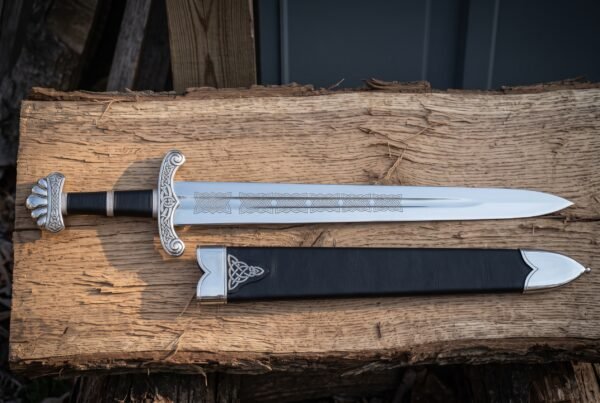
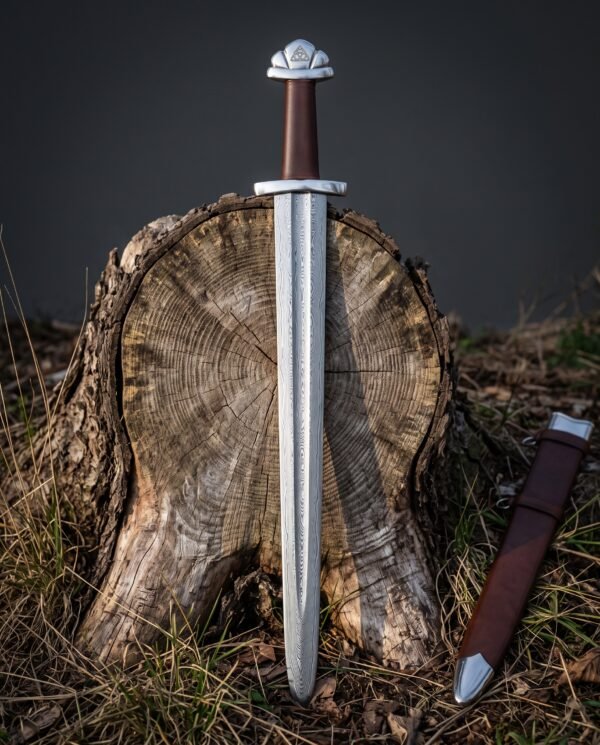
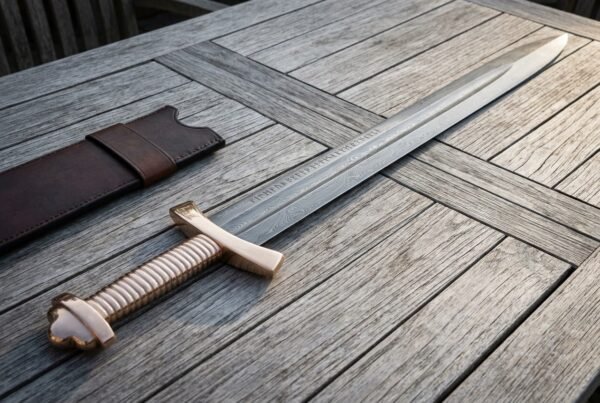
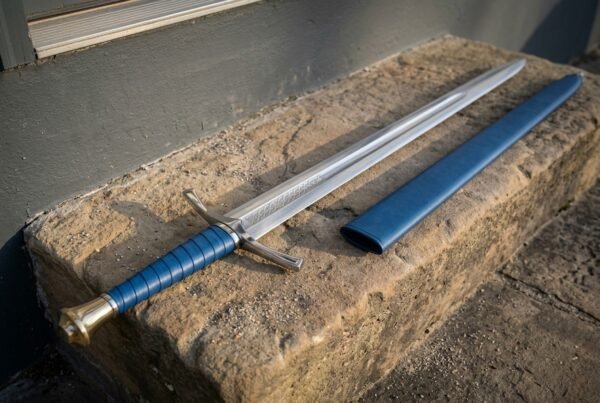
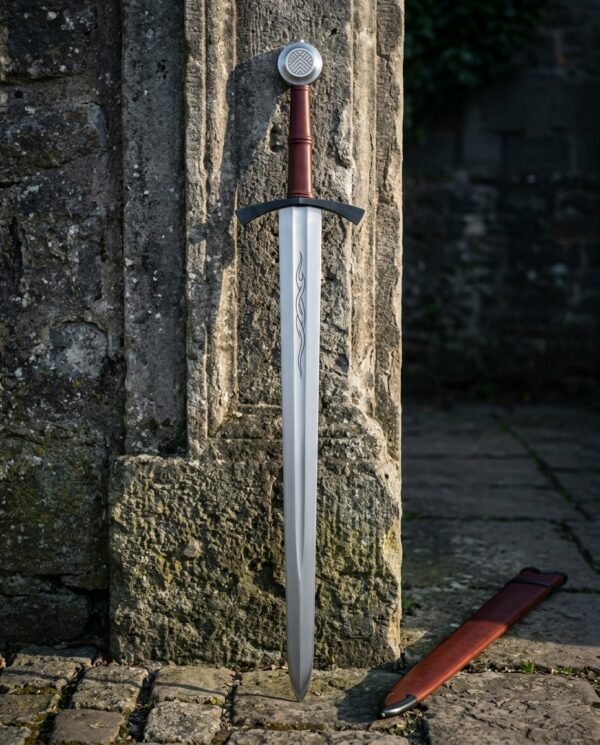
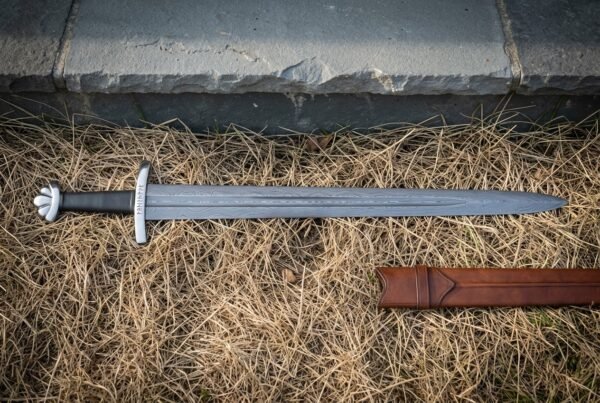
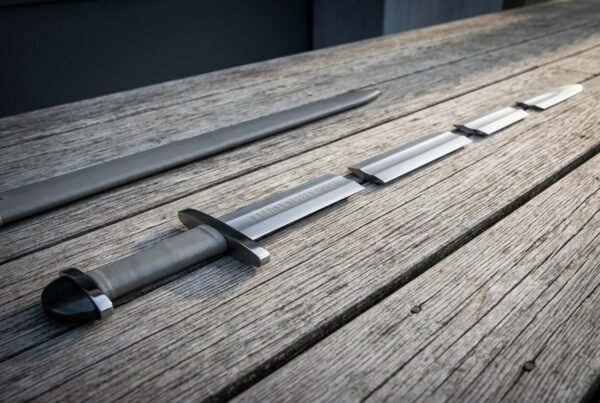
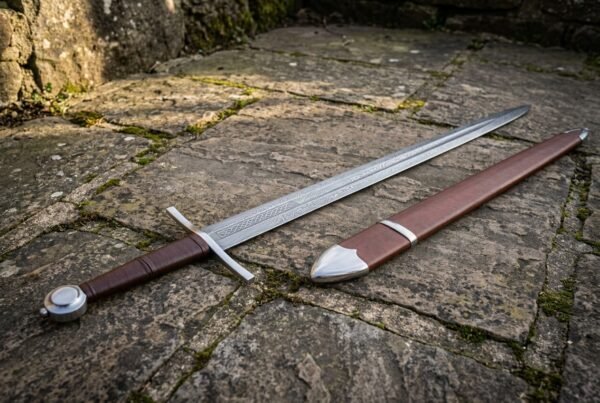
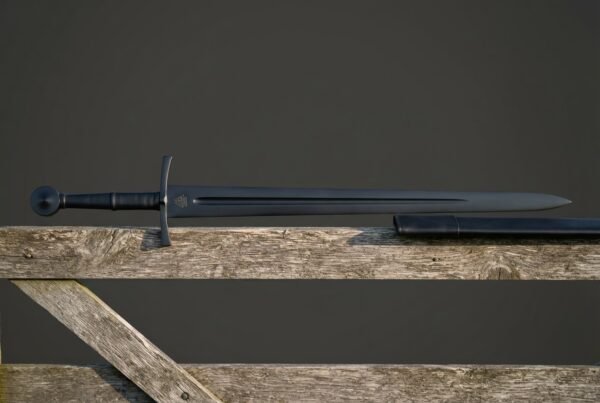
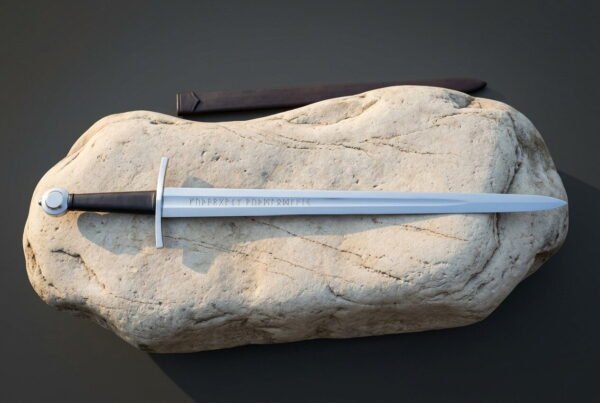
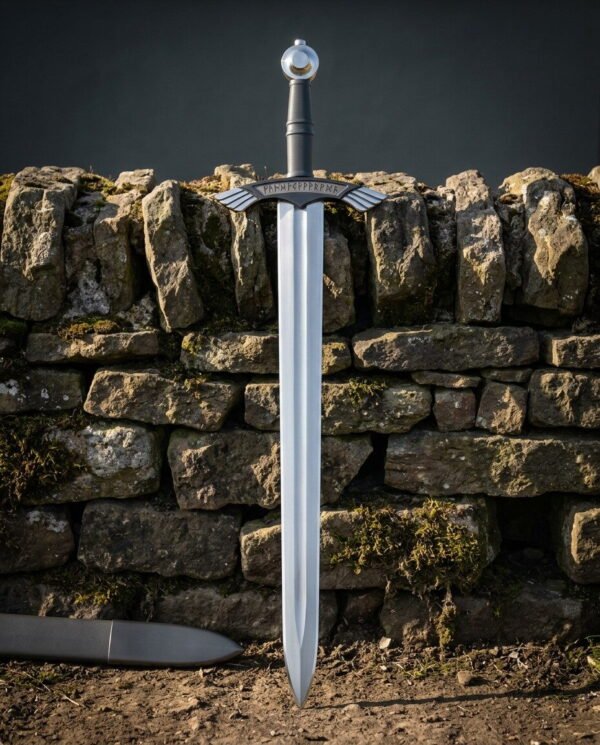
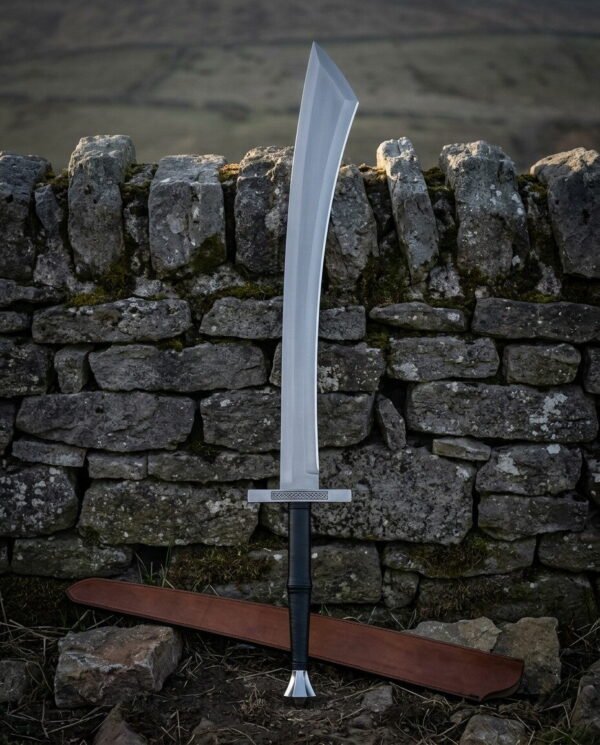
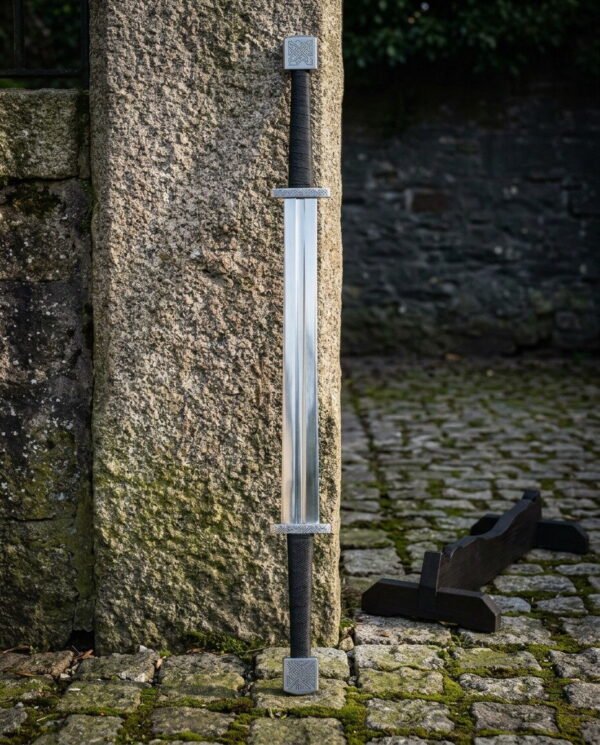
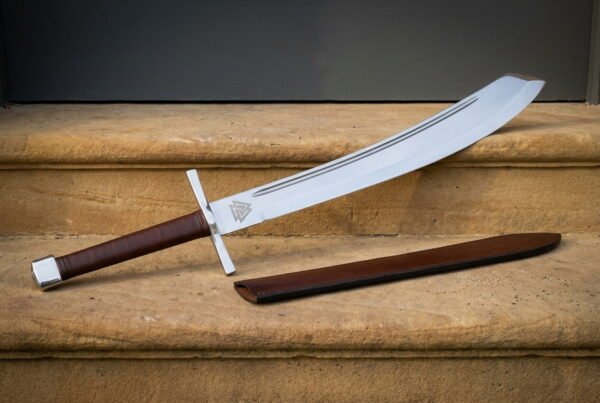
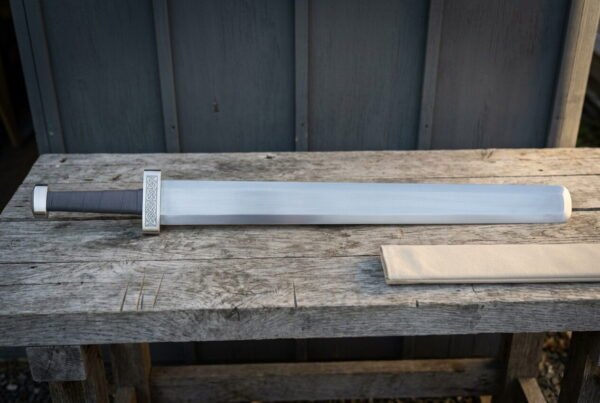
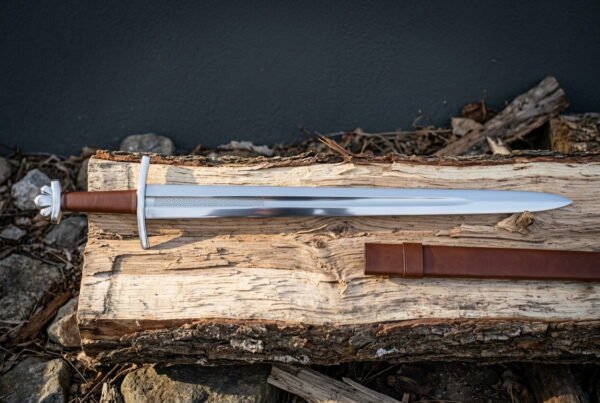
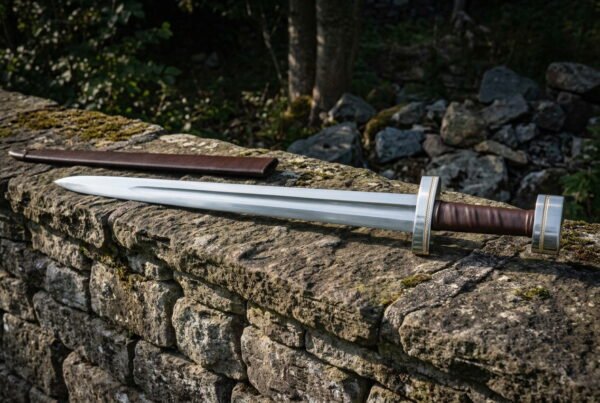
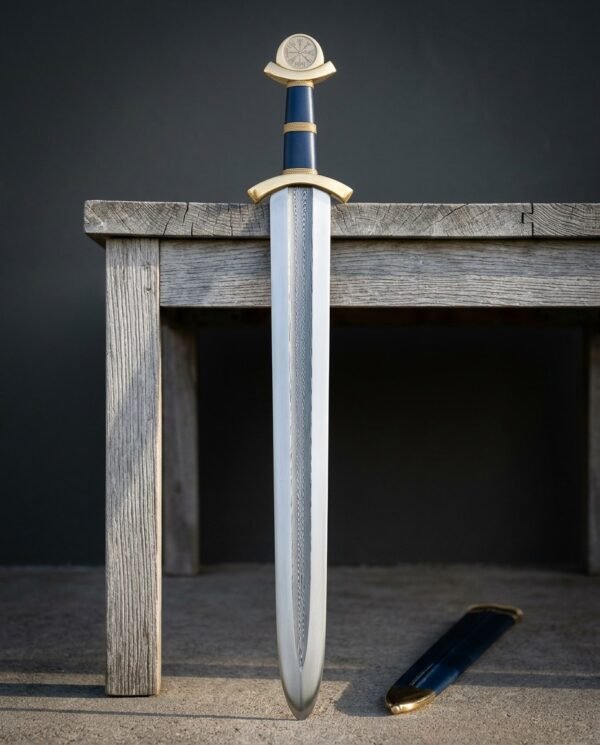
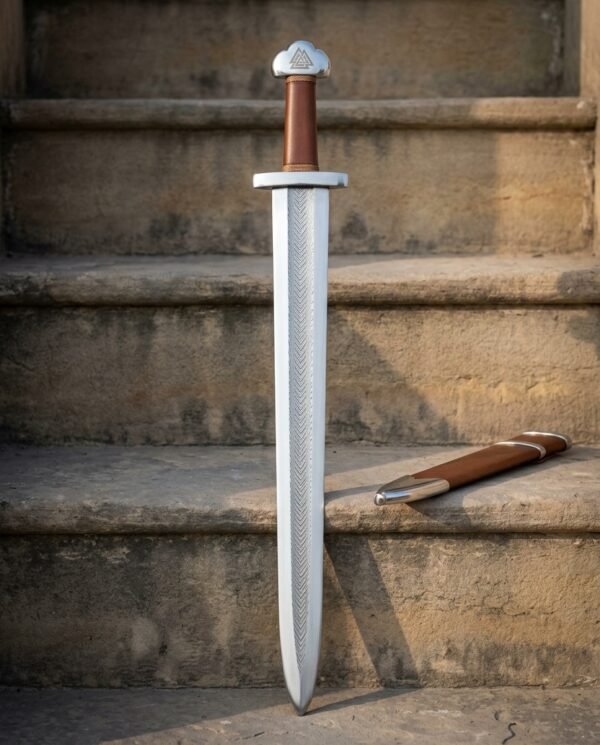
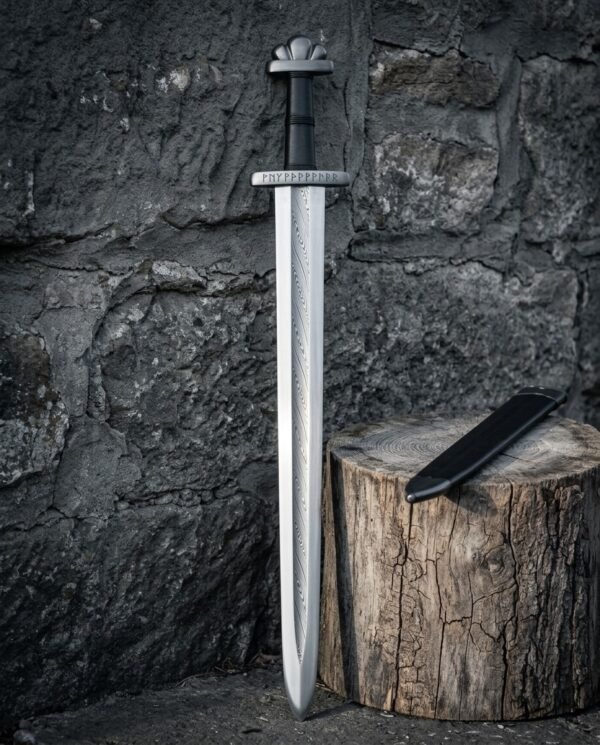
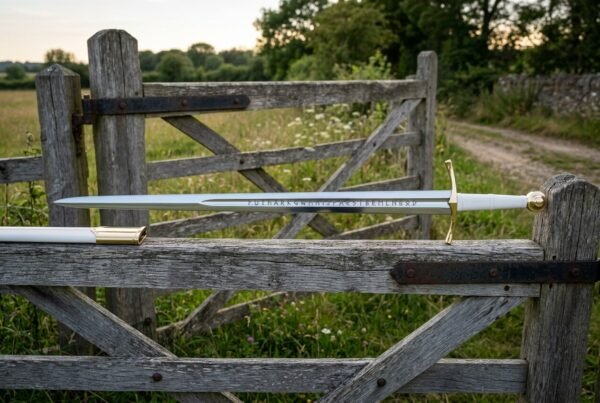
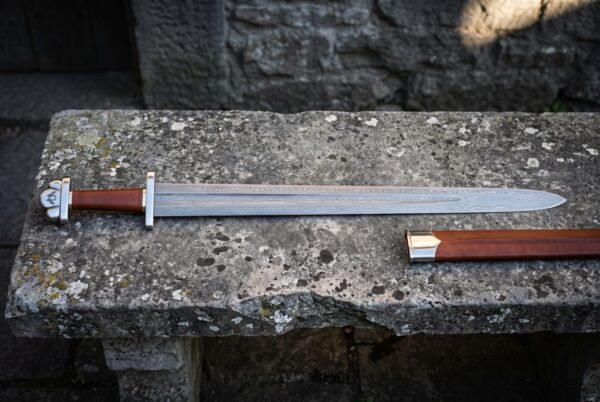
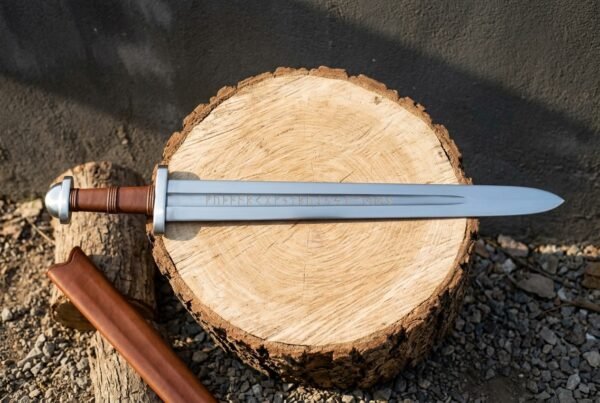
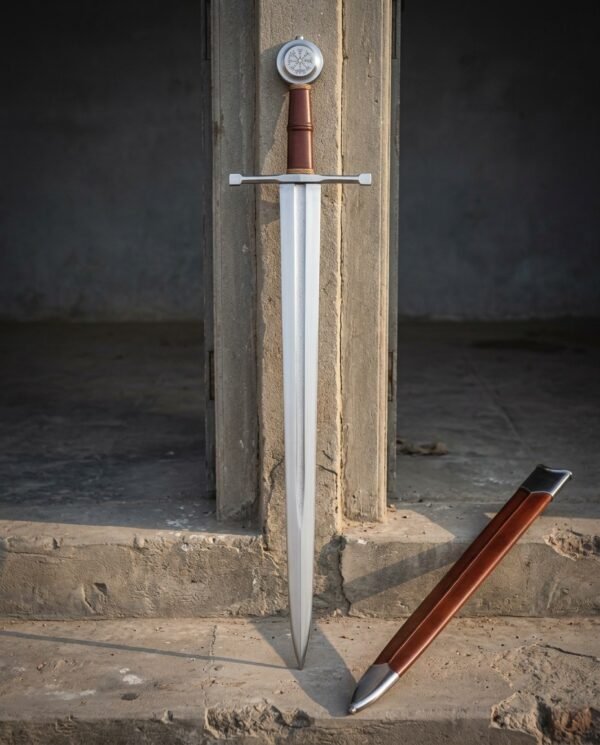
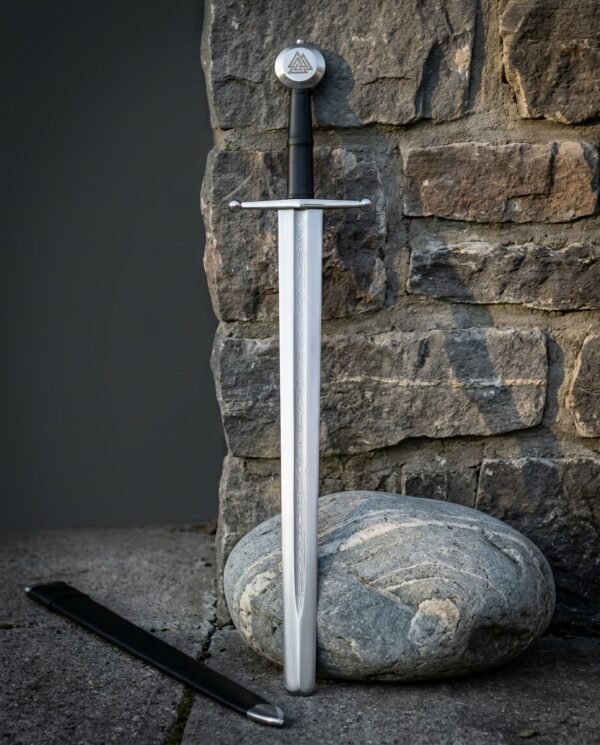
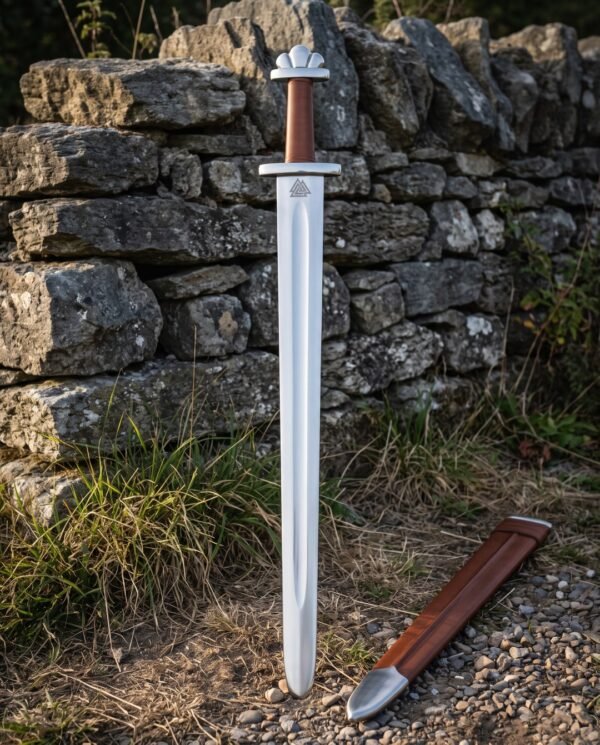
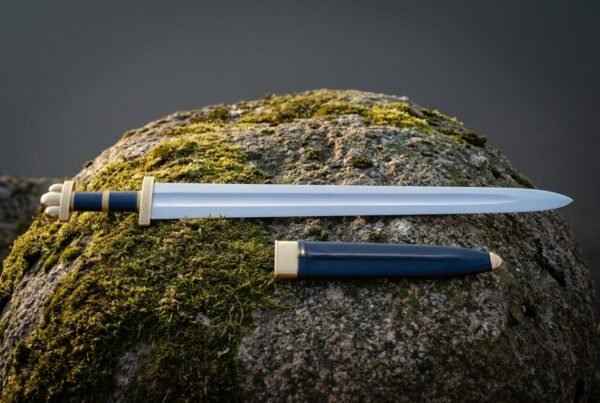
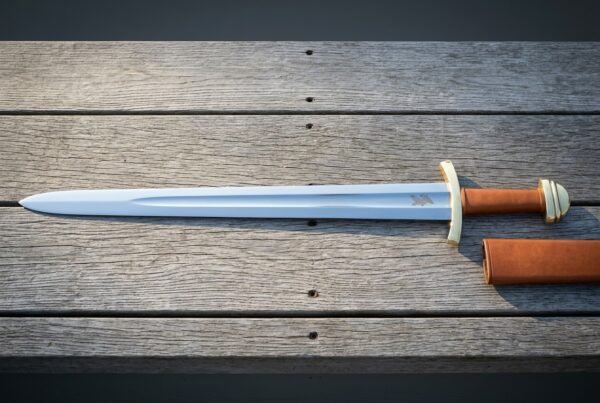
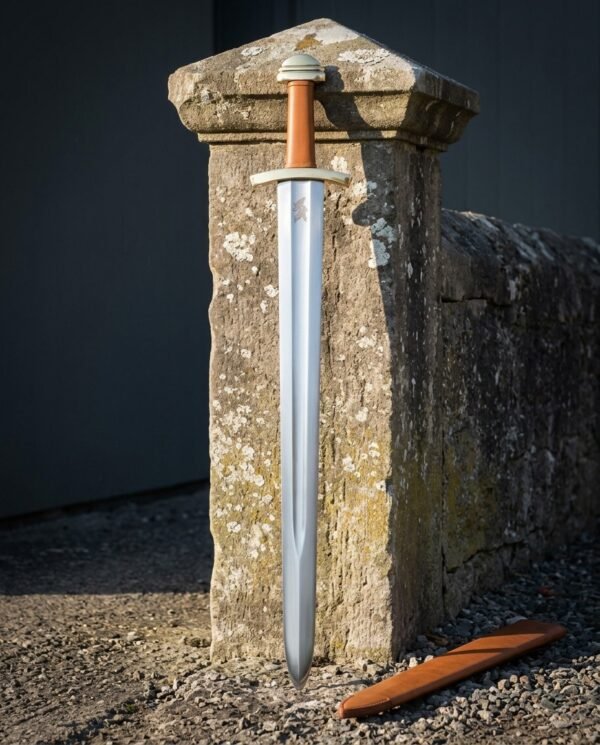
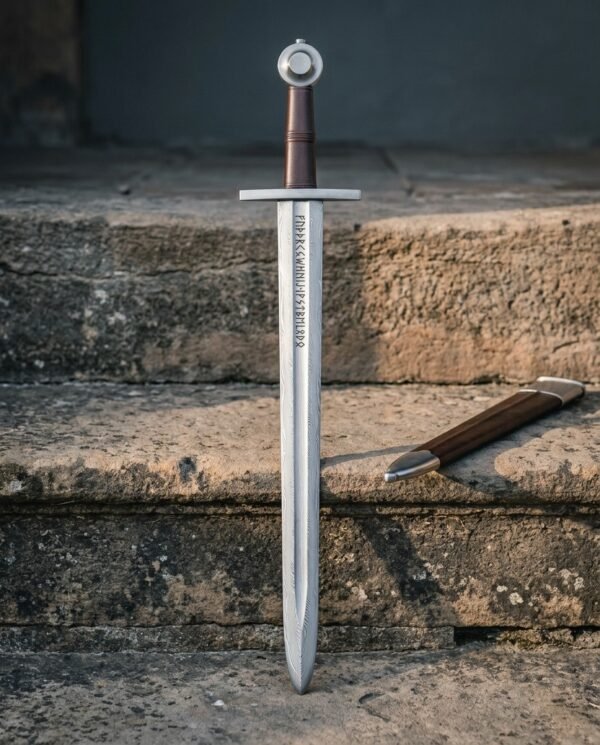
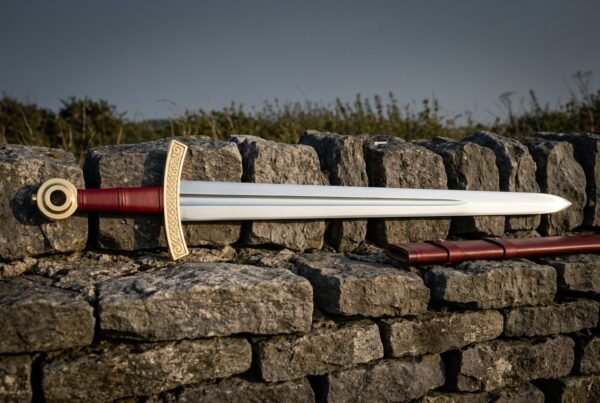
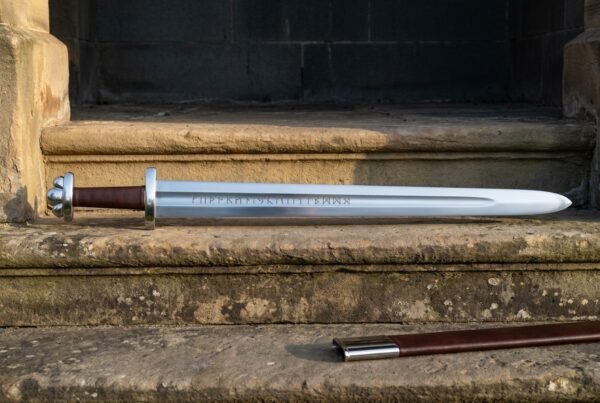
This archive gathers every sword on the site cut in the Norse pattern: the broad, fullered, double edged blade of the Viking Age with a short lower guard and a heavy lobed or brazil nut pommel. You will find full length Viking swords around 36 to 37 inches overall, short swords for a smaller hand or a smaller wall, a few falchions and broadswords with Norse fittings, and several Ulfberht style blades, named for the inscribed originals. Most carry some form of engraving, from Valknut and knotwork guards to rune bands along the fuller.
It is written for the collector who wants a sword that looks right next to a shield and helmet, for the person buying a milestone gift, and for the reenactor who needs a sword with a real tang and a scabbard that hangs from a belt.
What to look for
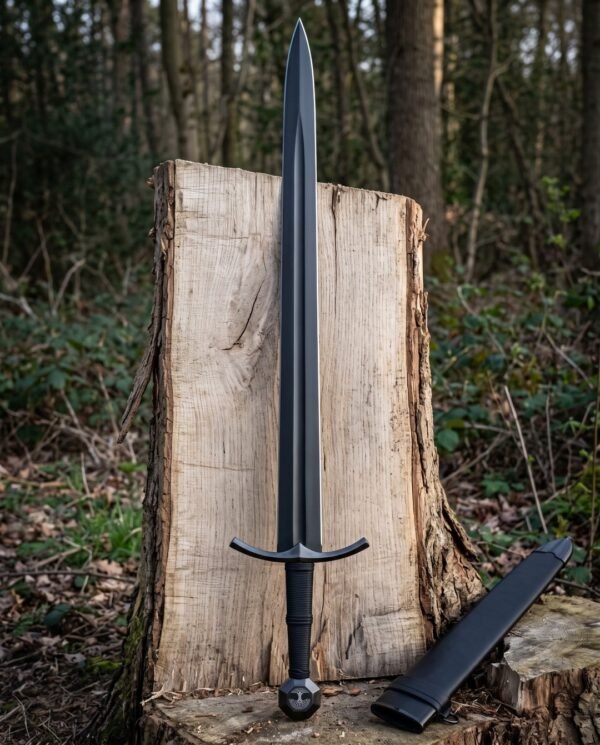
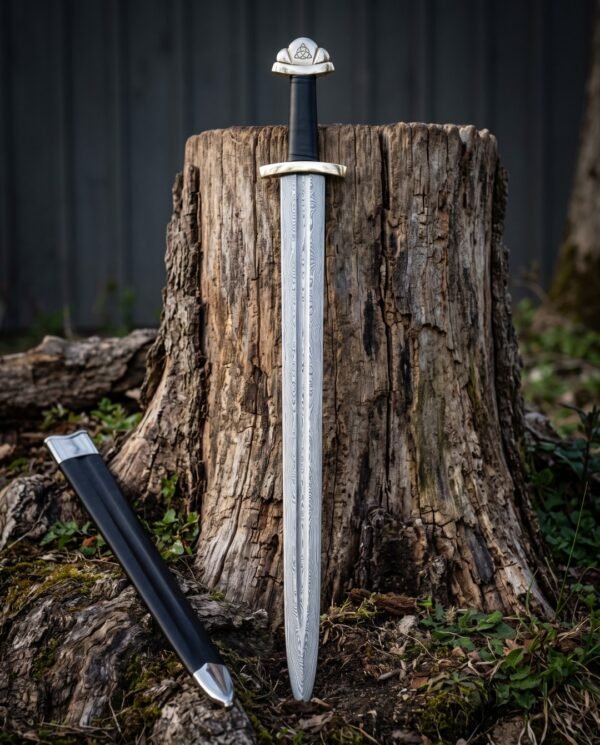
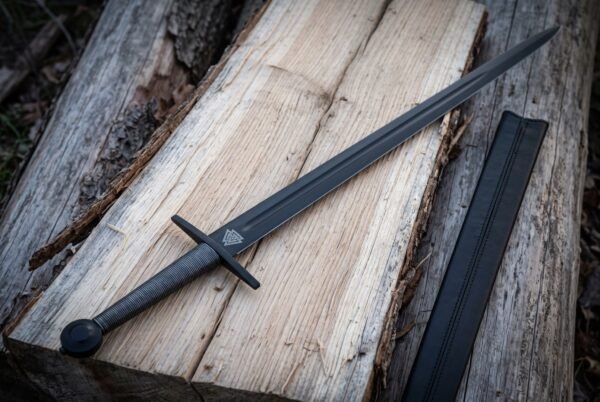
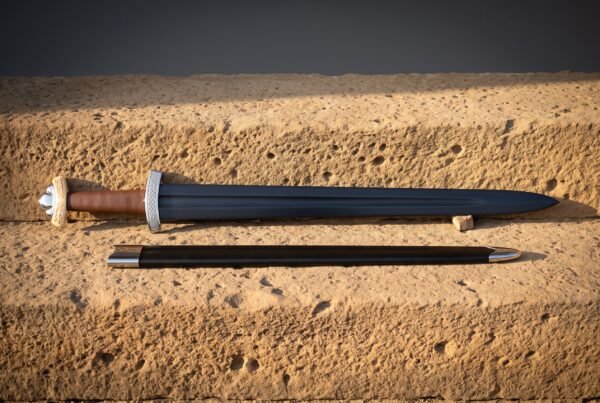
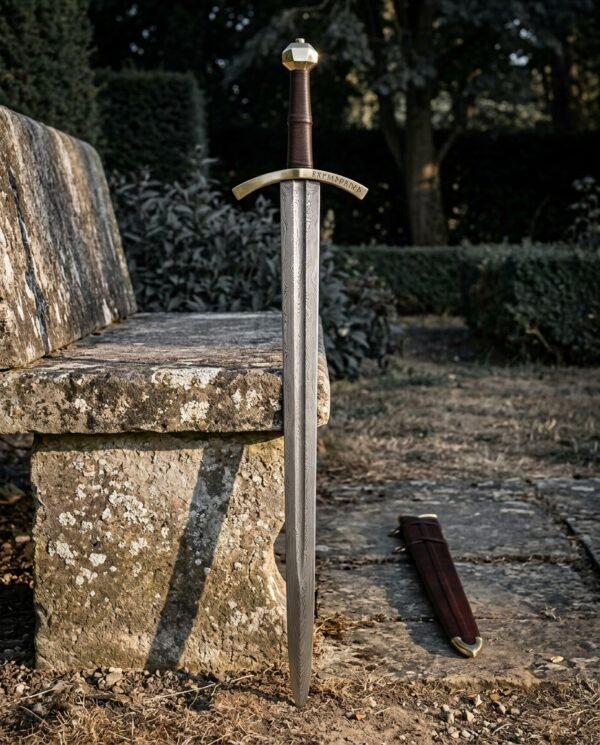
Check the overall length in the title first, since a 26 inch short sword suits a mantel and a 37 inch sword needs a wall. Look at the pommel shape, because that is how Norse swords are dated, with lobed pommels earlier and the brazil nut later. Then decide whether you want plain steel or Damascus. A plain 1095 blade shows a clean bright polish or a blued finish, and a 1095 and 15N20 Damascus blade shows the folded pattern all the way down the fuller, which is what most people picture when they think of a Viking sword.
How the swords are made and where
Ransack Viking is a Memphis, Tennessee company. Every sword in this archive is made by hand in the Czech Republic the old way, heated, drawn out under the hammer and ground before the hilt is fitted. The finished sword is imported, inspected at our Memphis warehouse and shipped from there, and any engraving you order is cut in the United States before dispatch. Blades are plain 1095 carbon steel hardened to 54 to 58 HRC, or 1095 and 15N20 forge welded Damascus at 58 to 60 HRC, unless a listing says otherwise. The plain steel is the tougher of the two for handling; the Damascus is harder at the edge and carries the pattern.
Care is simple. Wipe the blade dry after handling and put a thin coat of mineral oil on it, then store it out of the scabbard for long periods so the leather cannot hold moisture against the steel.
Where to go next
The same blades sit inside the wider Viking swords category, which also holds the sword and scabbard sets. If you want the pattern welded blades on their own, the Damascus swords category filters them out. For a shield or helmet to hang beside one, look through Viking armor, and for a shorter blade in the same style the Viking seax is the piece a Norse farmer actually carried. Our guide to Viking symbols explains the Valknut, Vegvisir and Helm of Awe you will see engraved on many of these hilts.
Frequently asked questions
Are these swords sharp?
Yes. Each blade is ground and sharpened by hand before it leaves the Czech workshop and checked again in Memphis. Treat them as sharp tools from the moment you open the box.
Is a Norse sword the same as a Viking sword?
For our purposes yes. Norse describes the people, Viking describes the period, and the sword form is the same.
Which steel should I choose?
Choose plain 1095 if the sword will be handled, drilled with or used in a living history camp. Choose 1095 and 15N20 Damascus if the sword is mainly for display and you want the pattern. Both are real forged steel with a full tang.
Do they come with a scabbard?
Many do and the listing will say so in the title. Where a sword ships without one, a leather scabbard can usually be found in the accessories category.
Can I have a name or a rune line engraved?
Yes. Engraving is done in the United States before the sword ships, and most blades and guards take names, dates or Elder Futhark runes. Details are on the custom engraving page.
58 matching pieces
Free US shipping
On every order, no minimum.
Hand Forged
Heated, hammered and ground by hand.
Engraving available
Names, dates or Norse runes on most pieces.