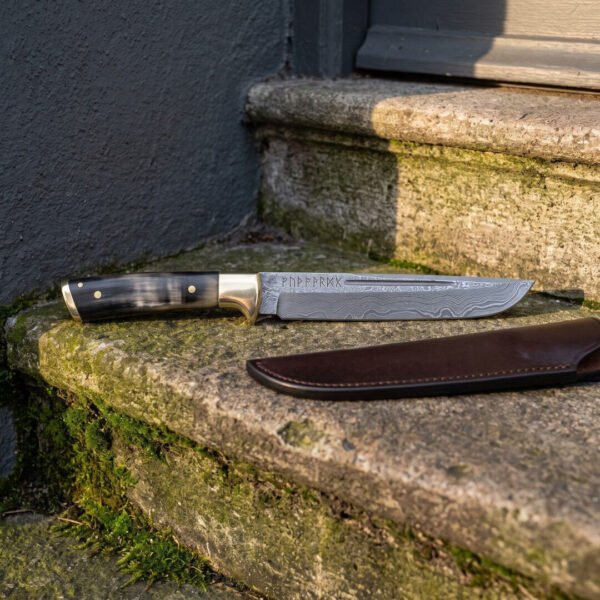
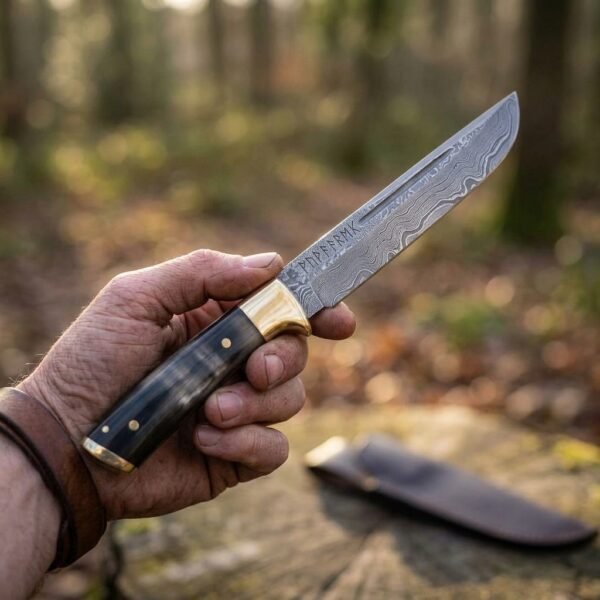
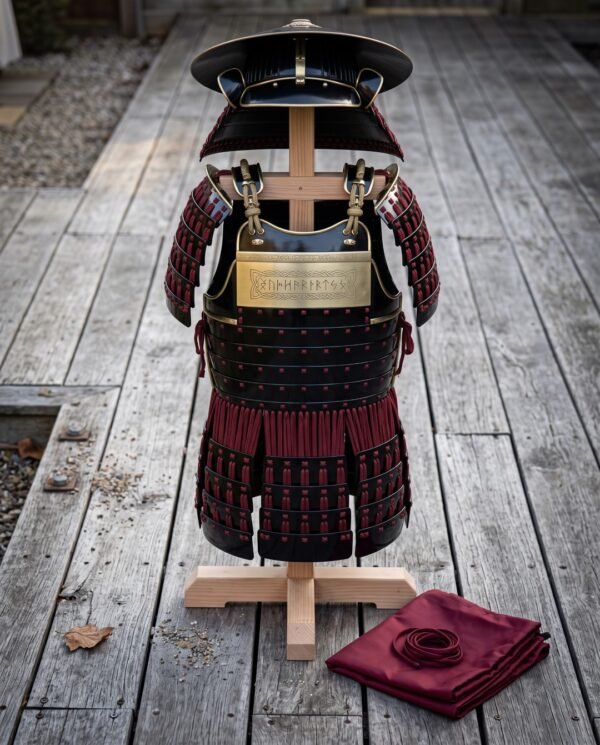
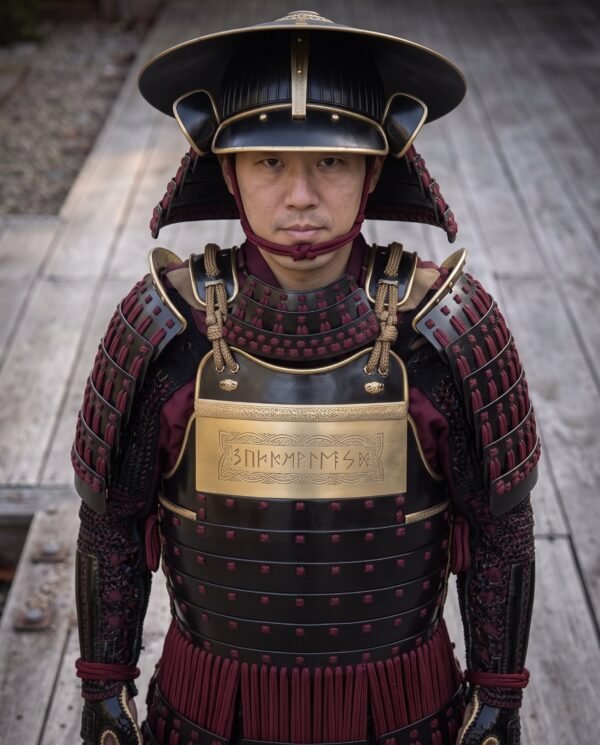
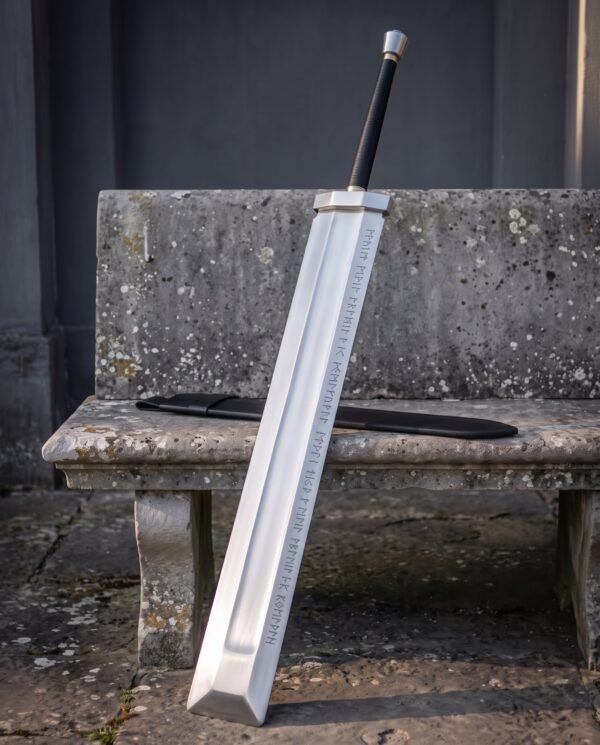
Rune engraving means cutting the Elder Futhark, or a stave, into steel. It is the most requested marking in the catalogue and the one most often got wrong, because people transliterate English letter by letter and end up with something that reads as gibberish to anyone who knows the row. Runes are sounds, not a cipher for the Latin alphabet.
What carries the engraving
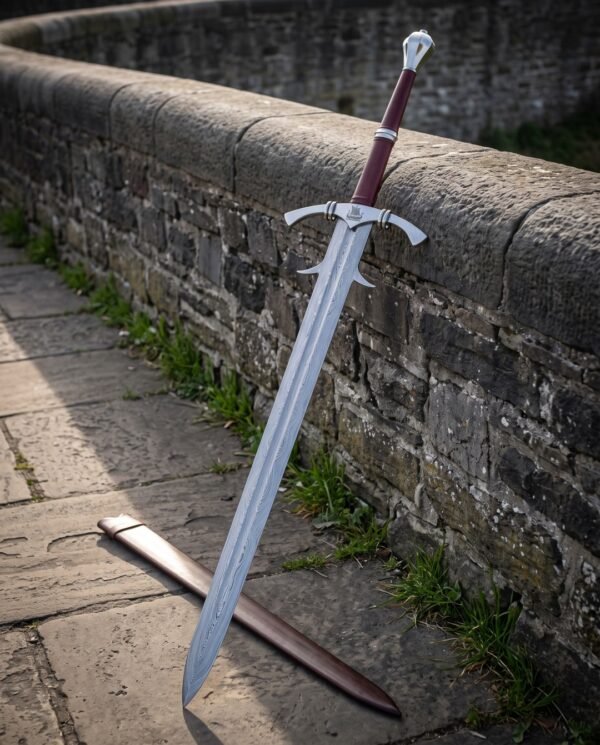
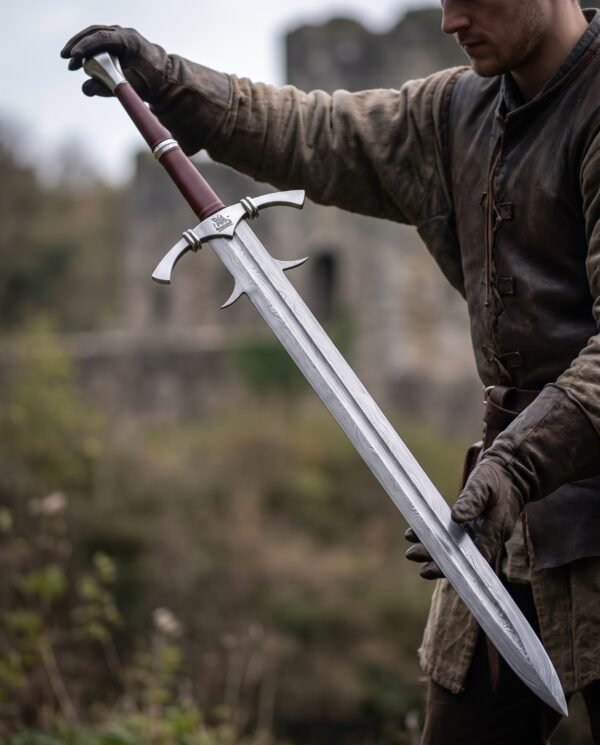
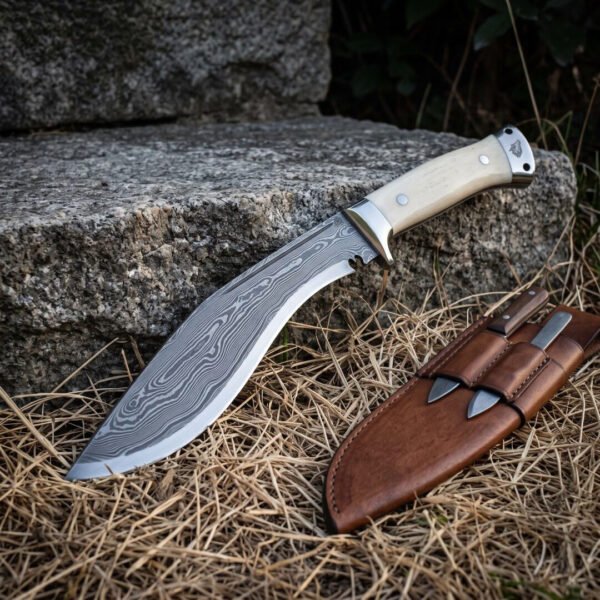
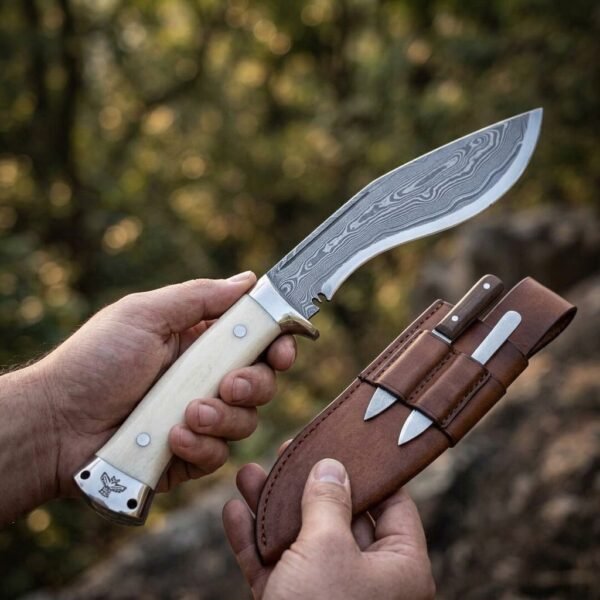
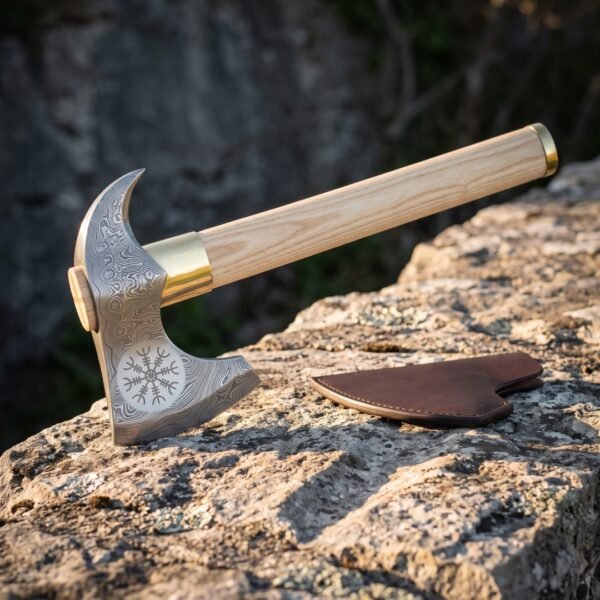
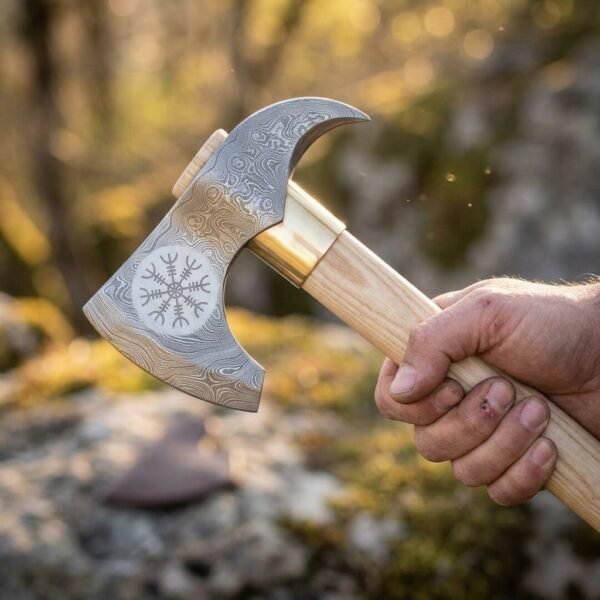
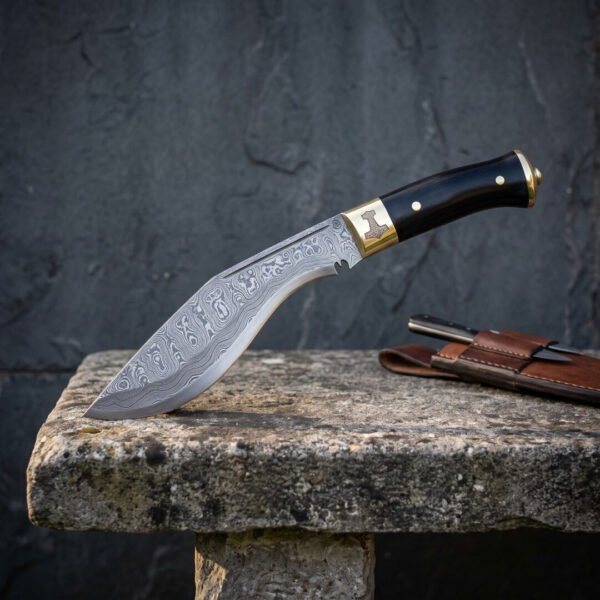
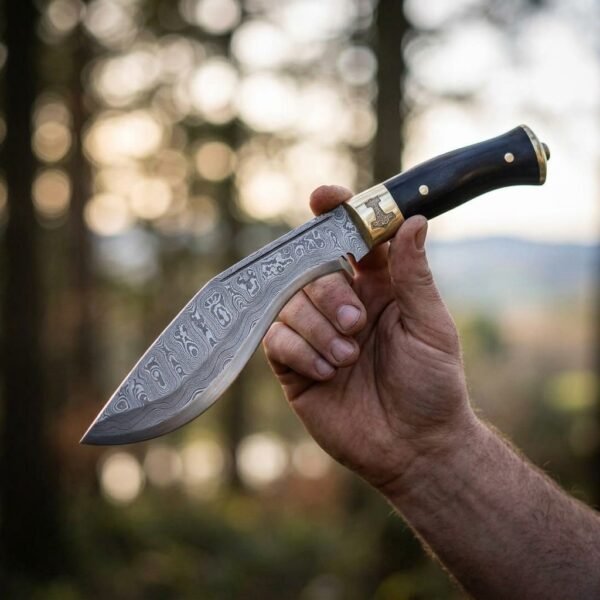
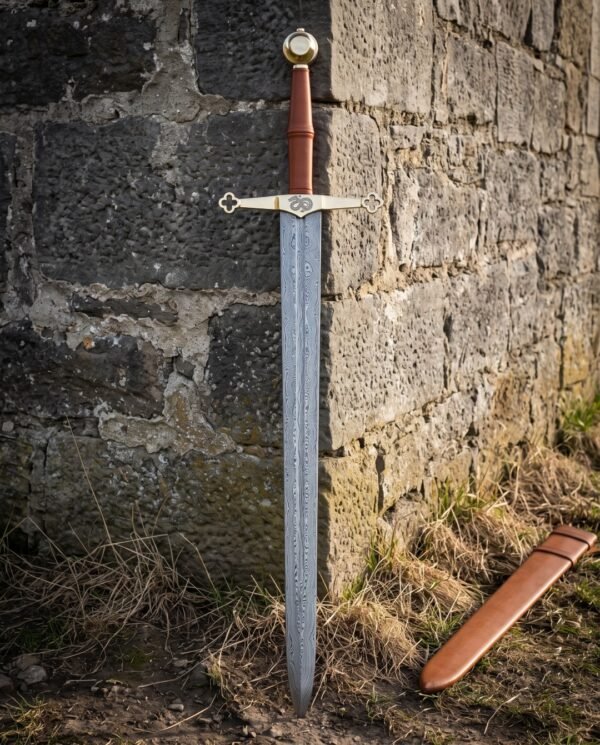
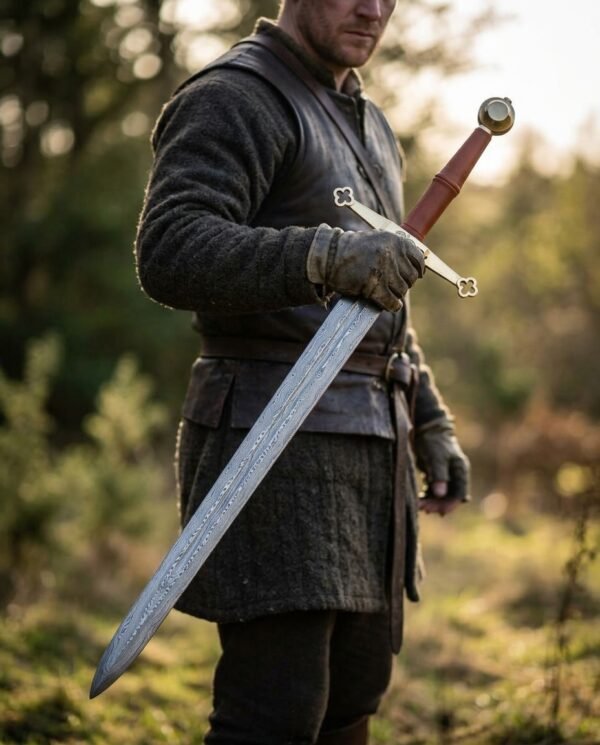
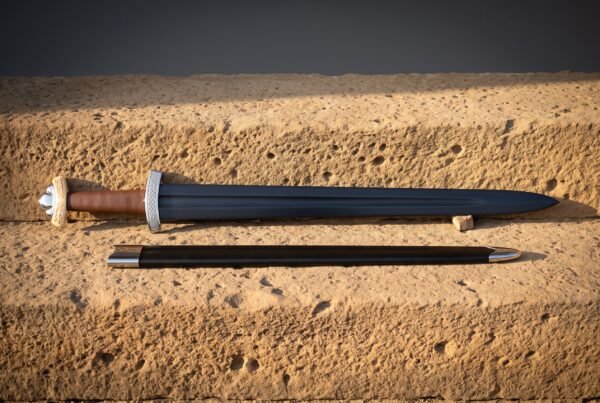
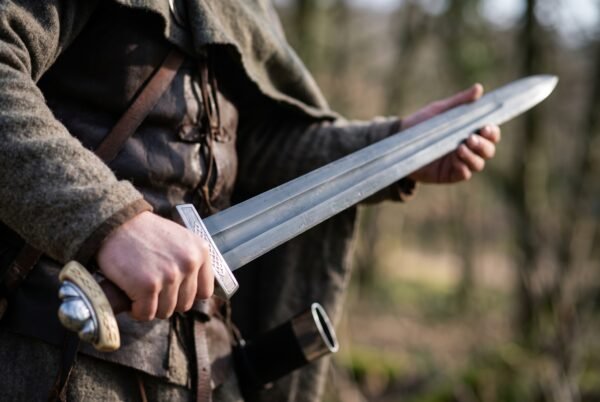
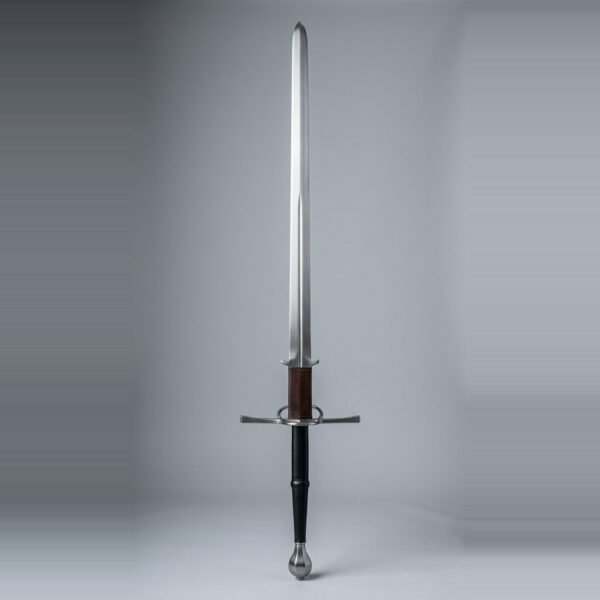
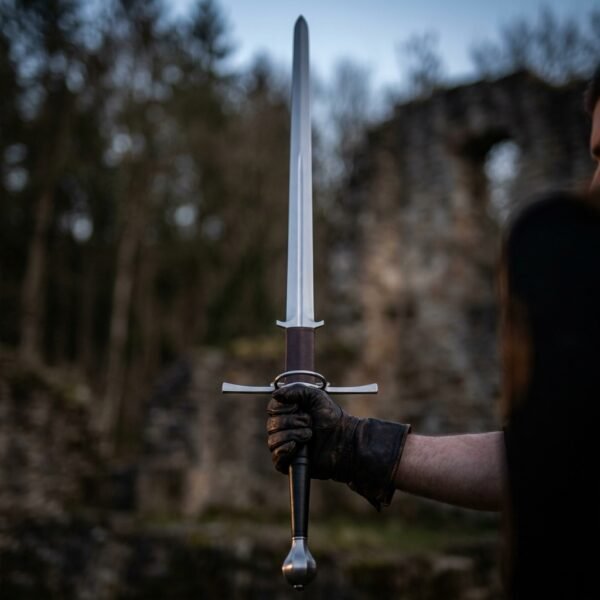
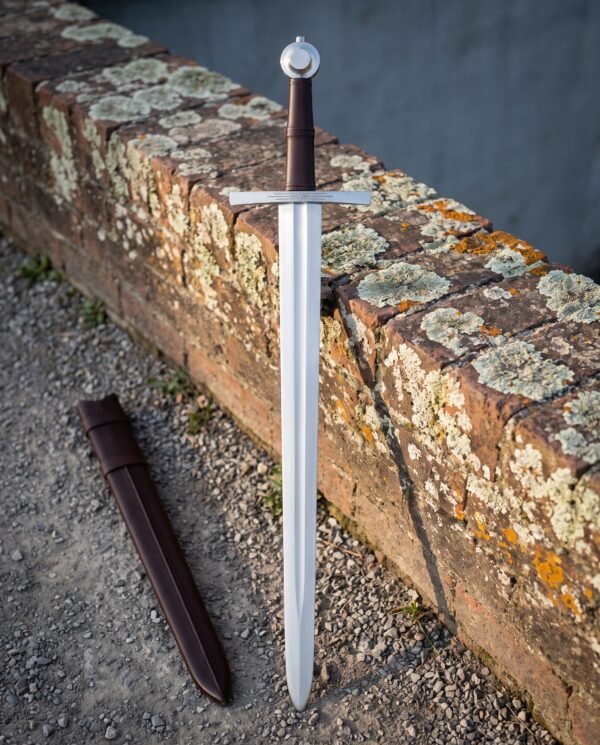
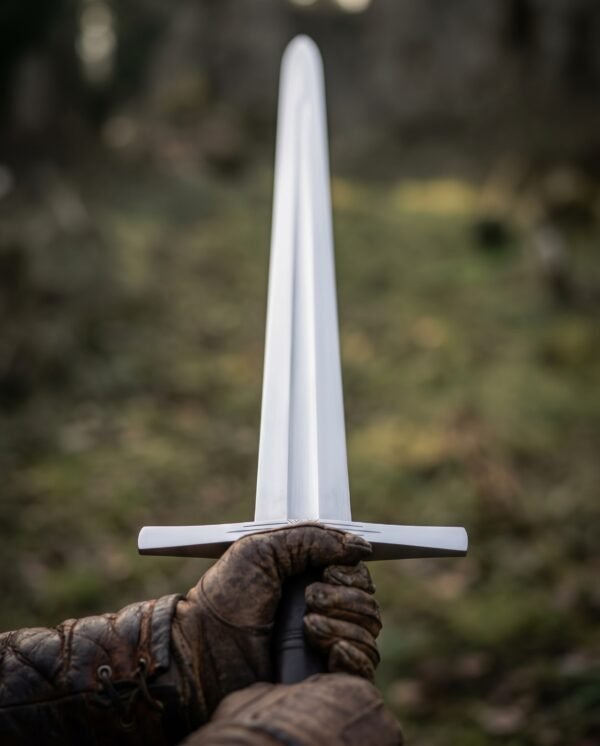
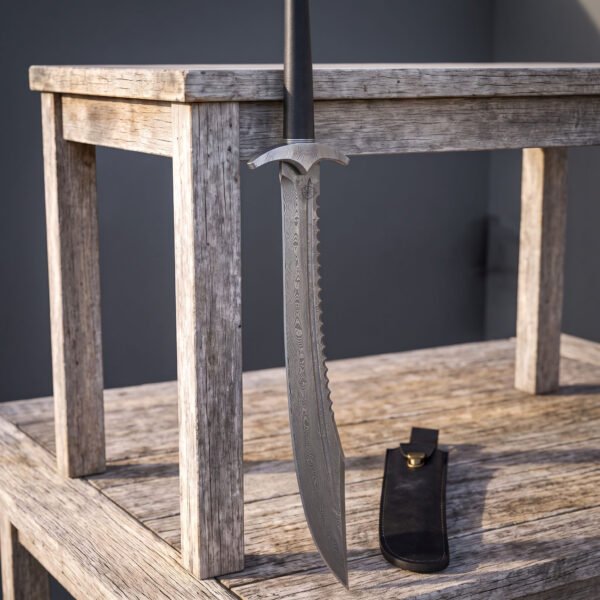
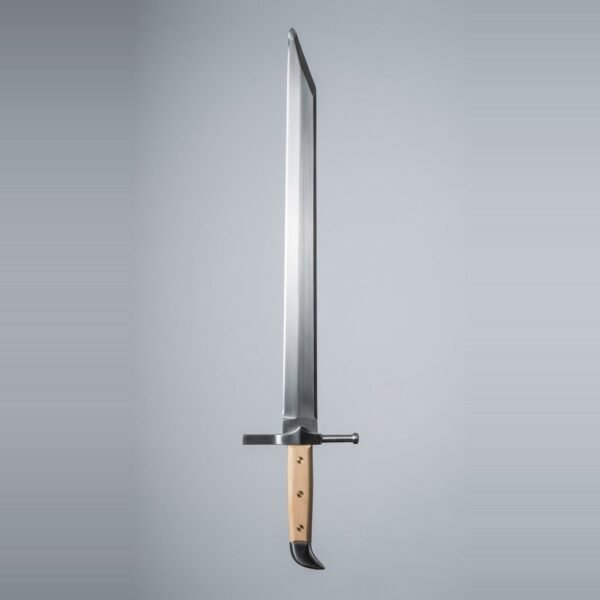
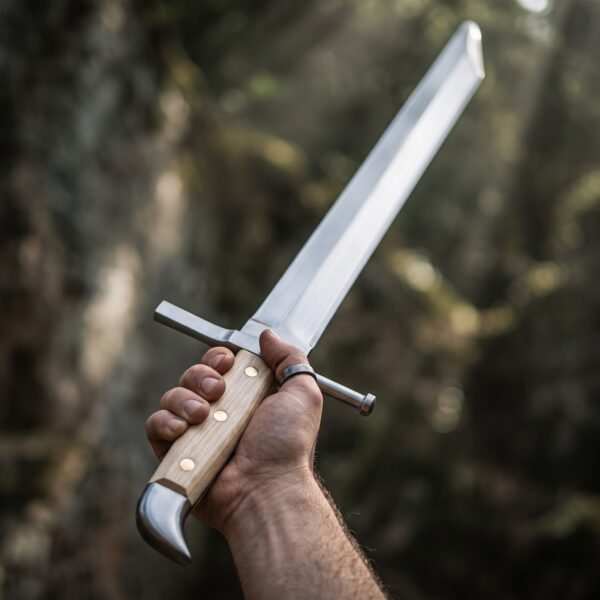
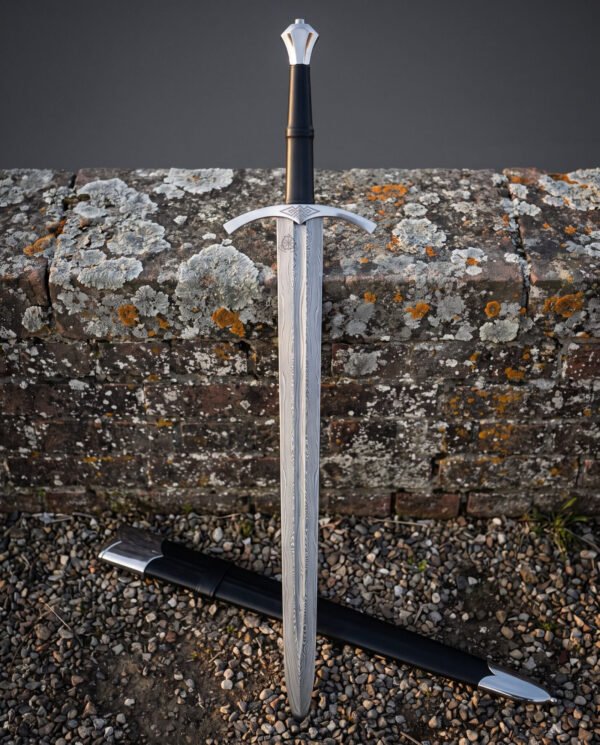
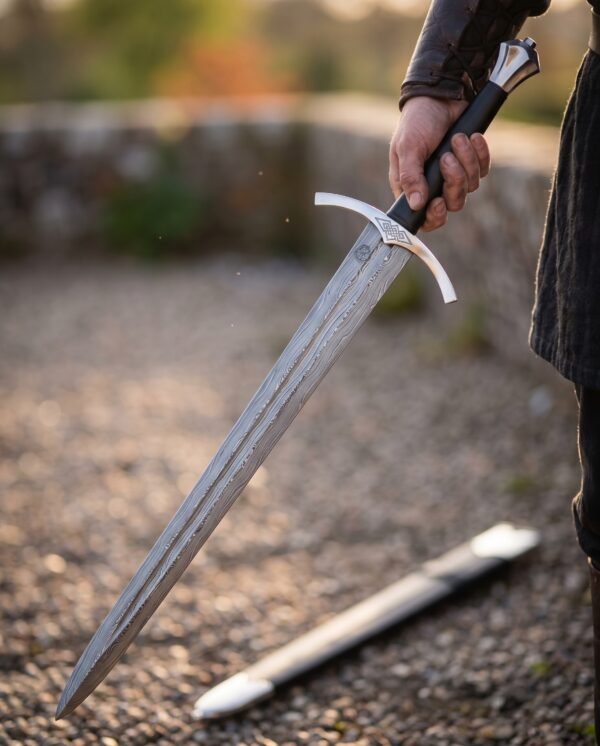
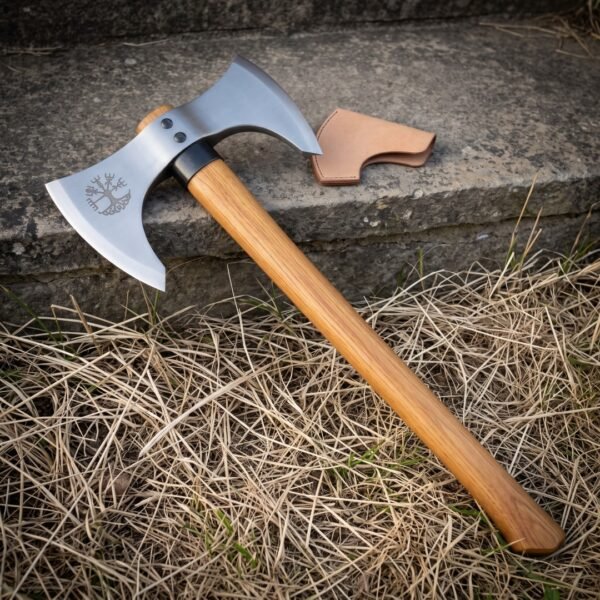
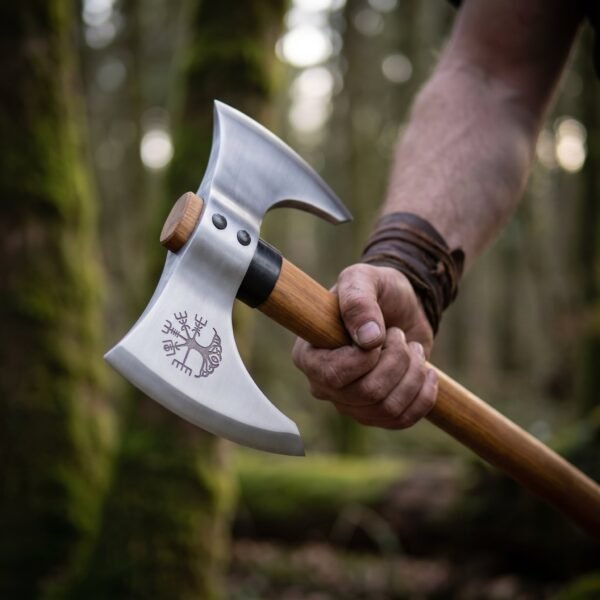
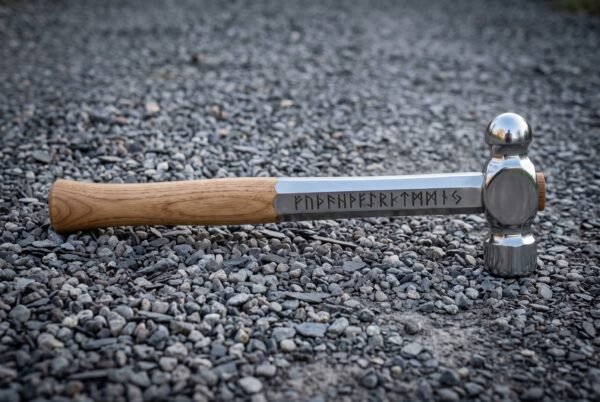
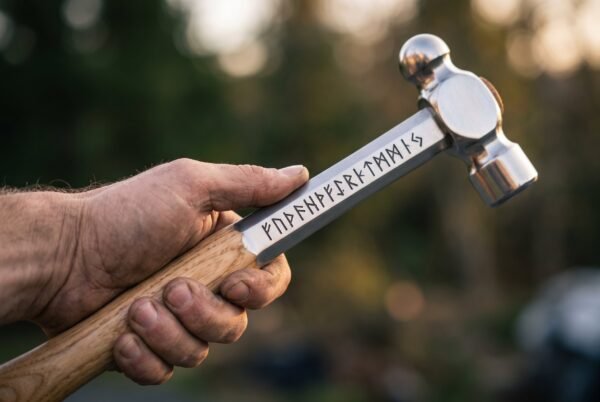
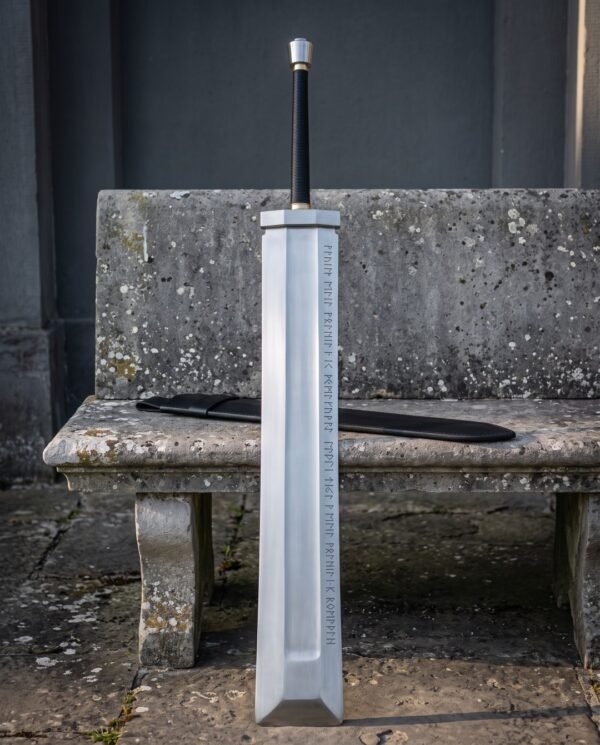
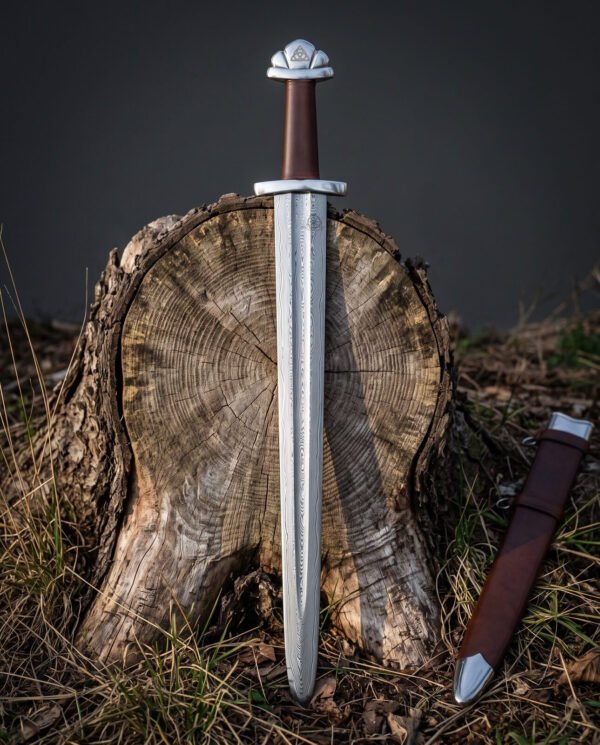
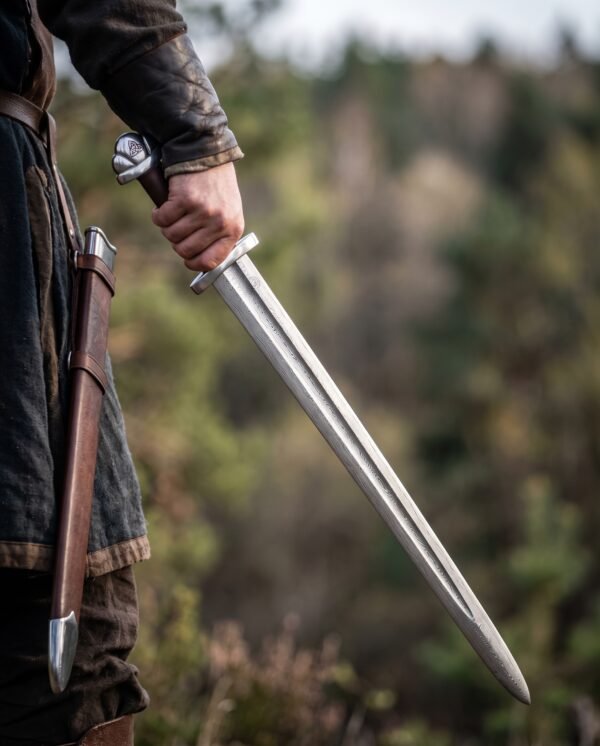
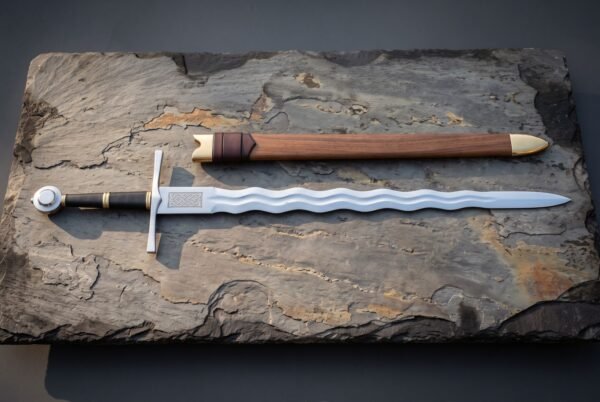
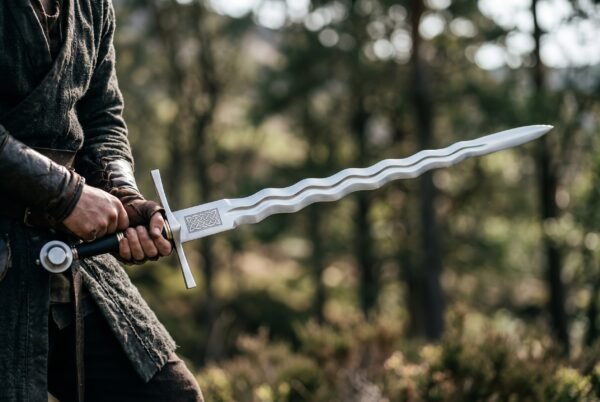
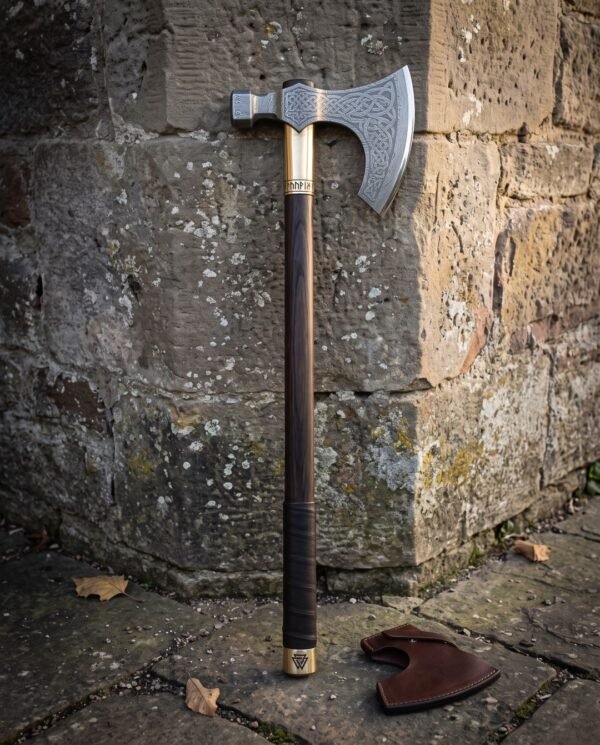
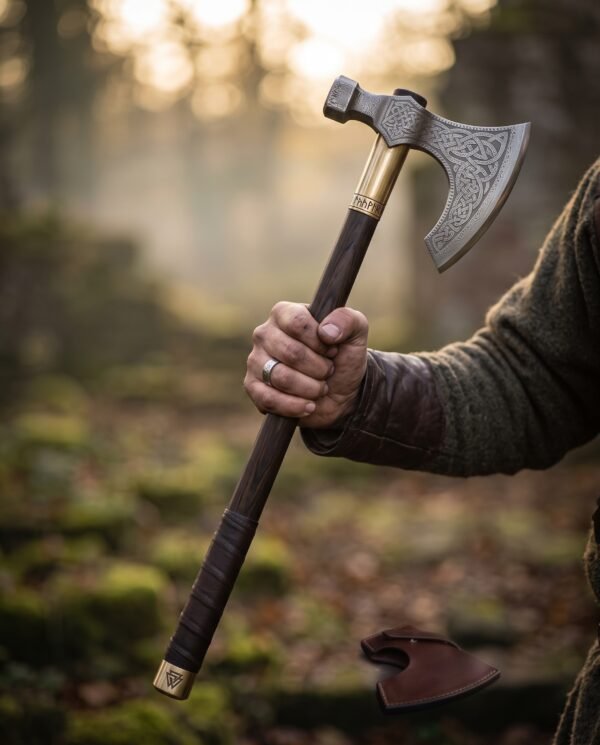
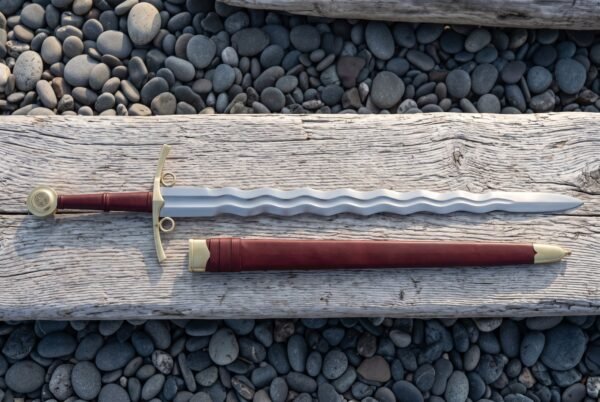
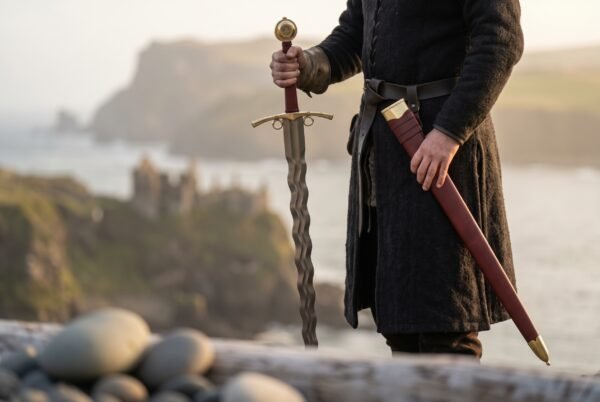
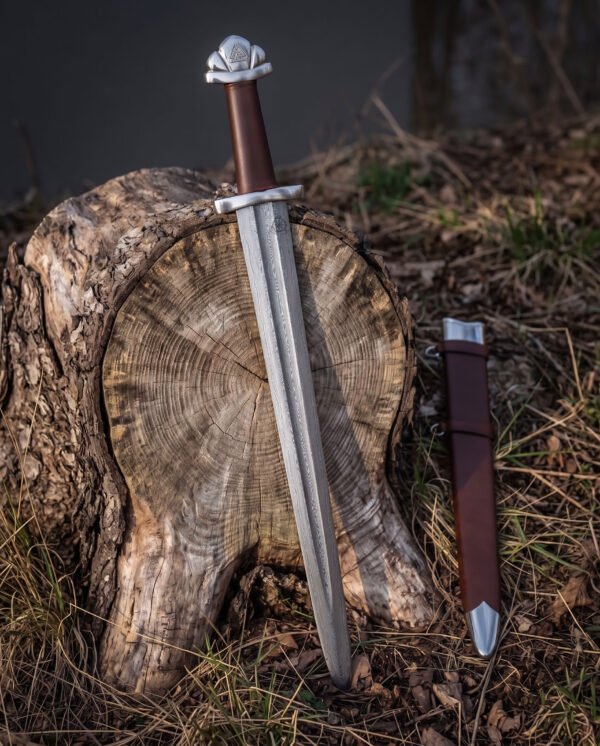
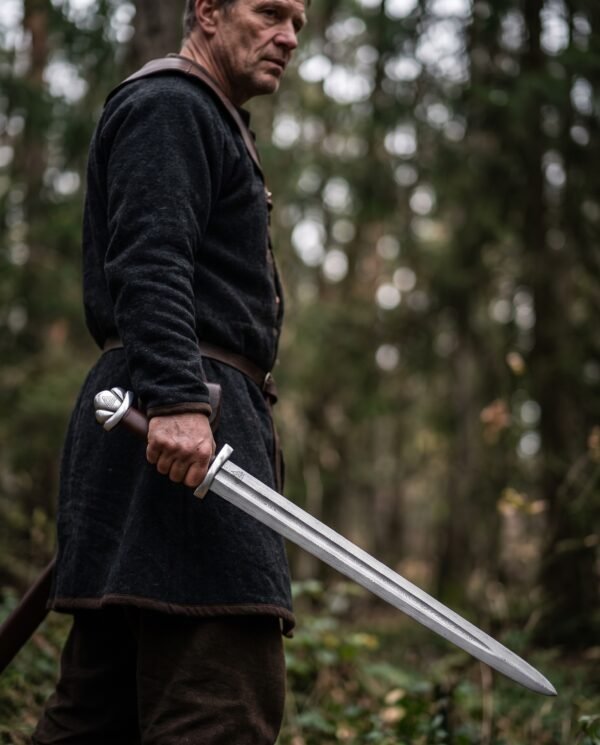
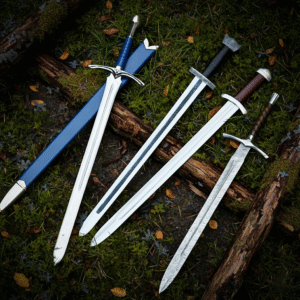
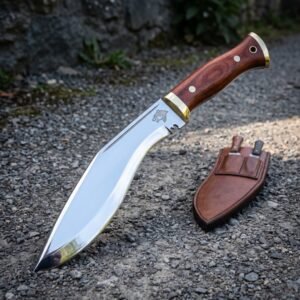
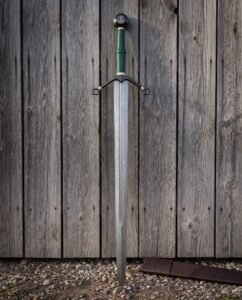
Long hafted bearded axes, double headed axes on 19 inch oak hafts, kukris around 16 inches overall, swords, war hammers and blacksmith hammers. Steel is plain 1095 high carbon at 54 to 58 HRC or Damascus of 1095 and 15N20, forge welded and acid etched, at 58 to 60 HRC. Hafts are oak, ash, walnut and hickory. The engraving goes on the cheek of an axe head, the flat or fuller of a blade, the shank of a hammer, or the guard of a sword, and it is always placed clear of the cutting edge so sharpening never touches it.
Getting the row right
The Elder Futhark has twenty four characters and was in use across the migration period into the early Viking Age. The Younger Futhark, with sixteen, is the row actually used in Scandinavia during the Viking Age proper. Which one you want depends on whether you are aiming at accuracy or at recognition, and both are defensible answers. The rune guide lists every character with its name and its sound. Real inscriptions are mostly short and practical rather than mystical, which the runestone article makes clear by looking at what the stones actually say.
Cost and placement
A symbol or rune line is 39 dollars, plain text is 19 dollars and a family crest is 49 dollars. Engraving is done in the US after arrival. Keep the design bold, since cut lines fill with oil over years and hairline work disappears first. The engraving page shows what each surface will hold, and the full marked range is in the engraved and personalized.
What actually gets cut
Rune lines along a fuller, a single bind rune on an axe cheek, a name in Younger Futhark on a hammer shank, or a vegvisir stave on a double headed axe. Straight lines cut cleanly into steel, which is one reason the runic alphabets look the way they do. They were designed for carving into wood and stone rather than for writing with ink.
Free US shipping
On most pieces. Heavier and oversized ones carry a flat charge.
Hand Forged
Heated, hammered and ground by hand.
Engraving available
Names, dates or Norse runes on most pieces.