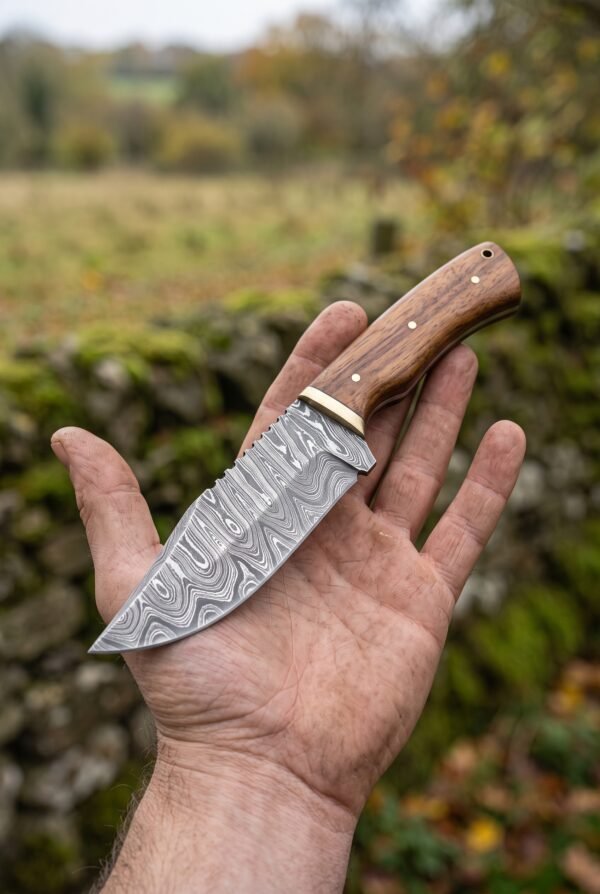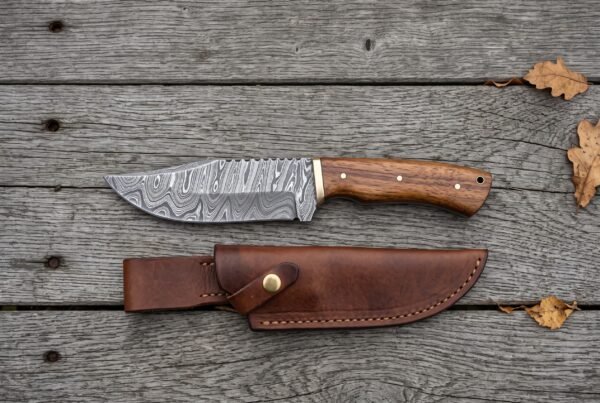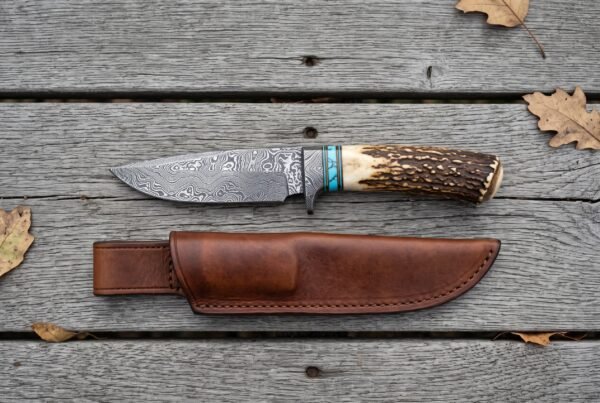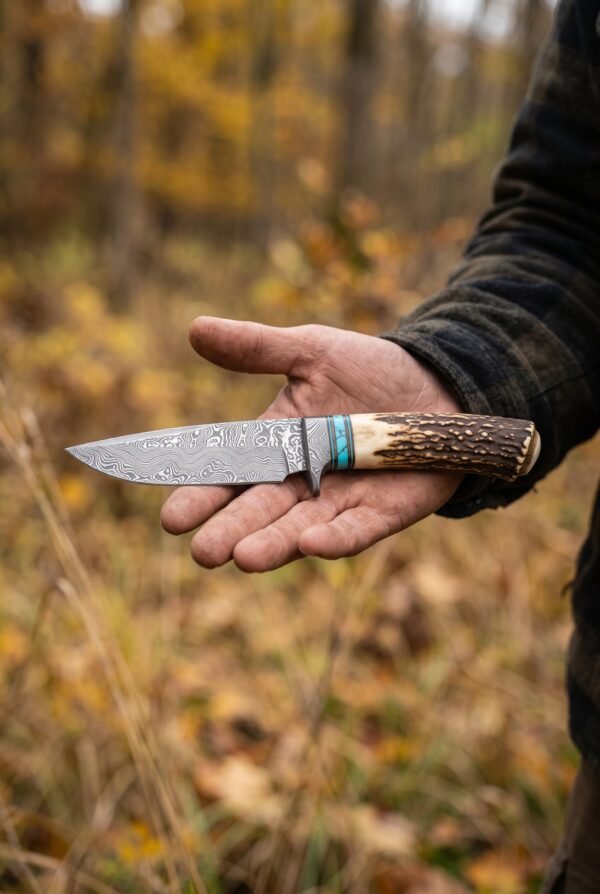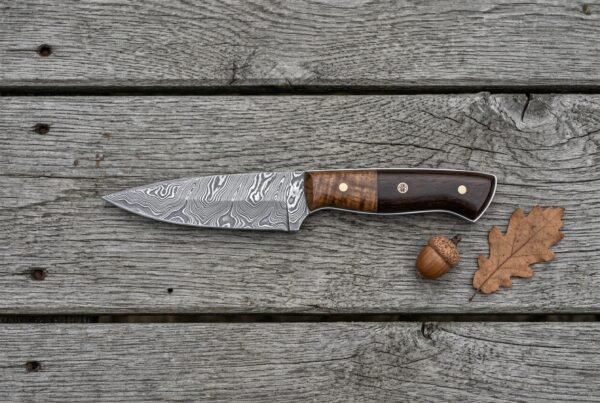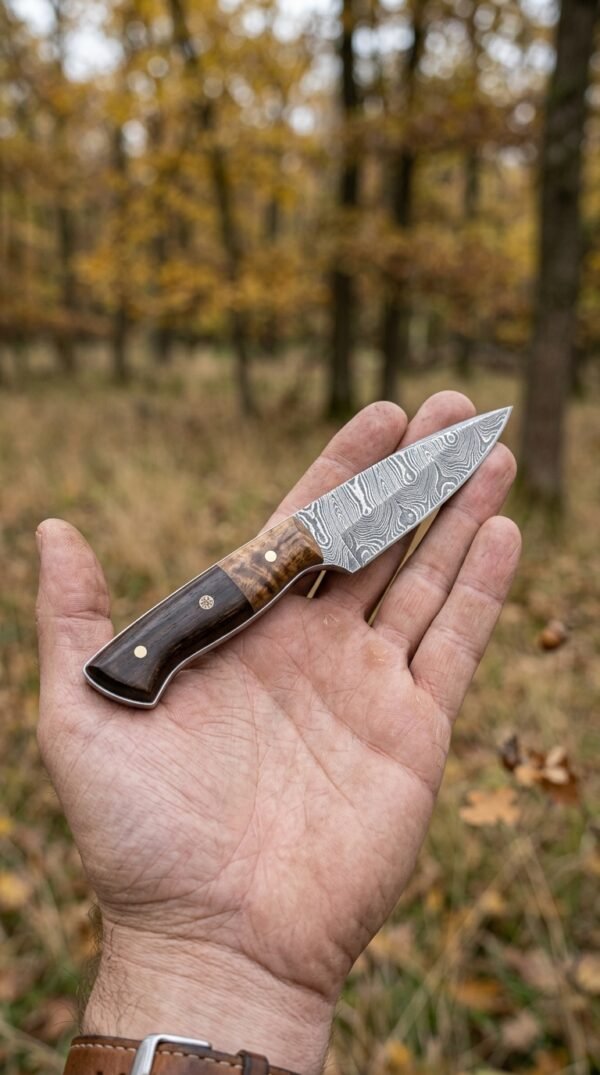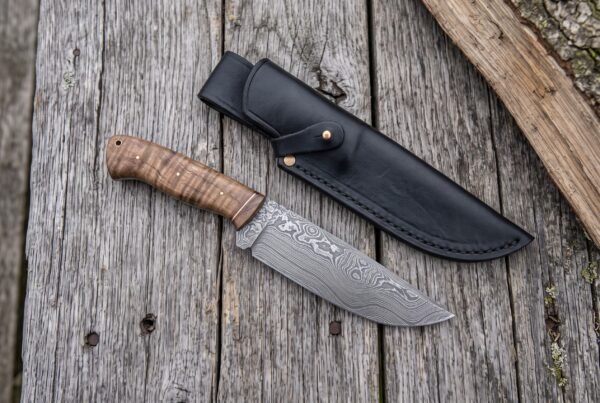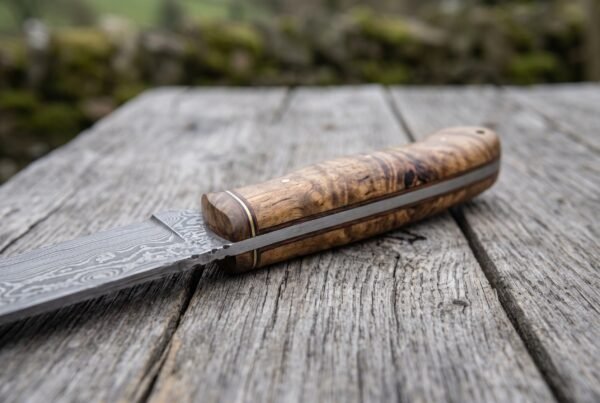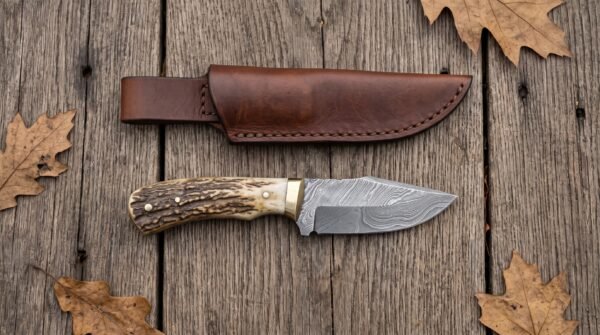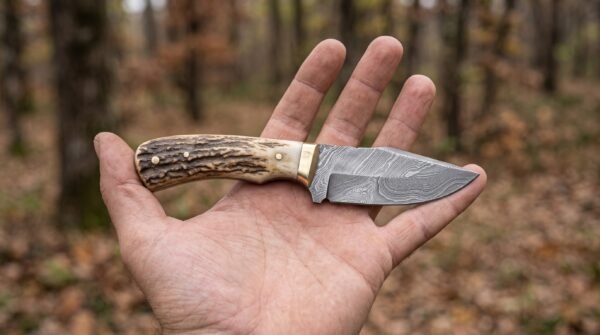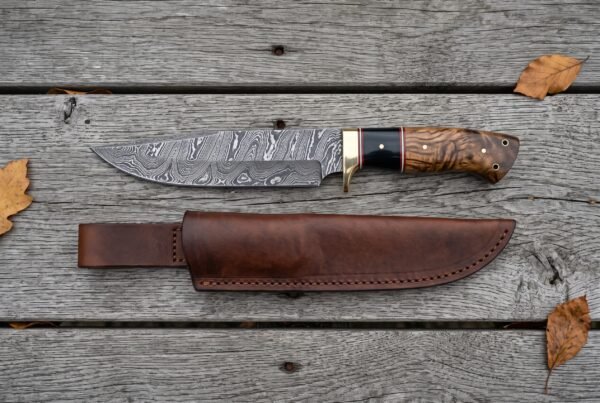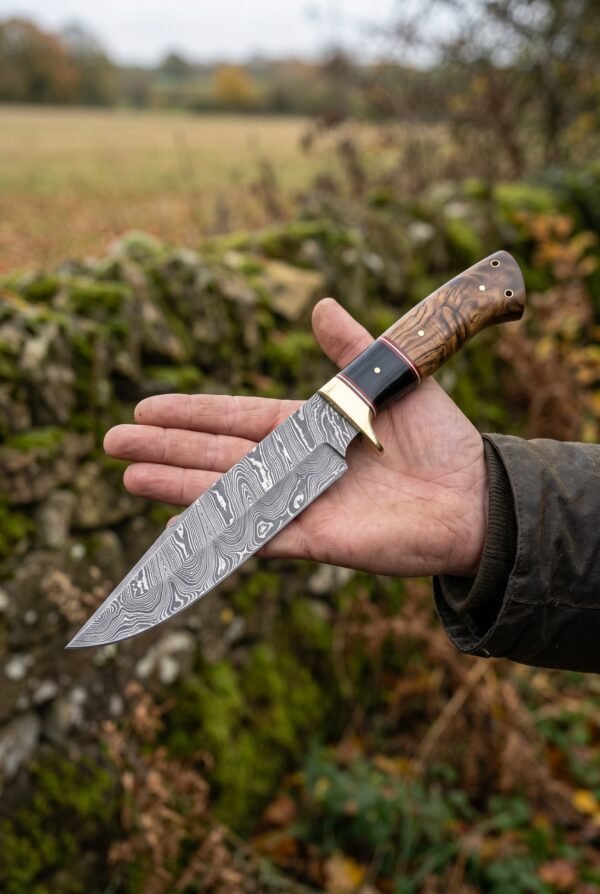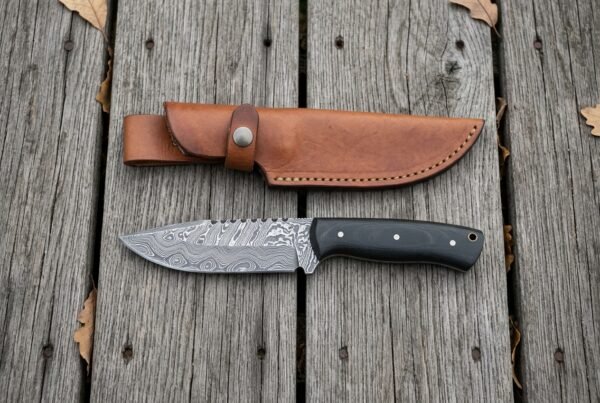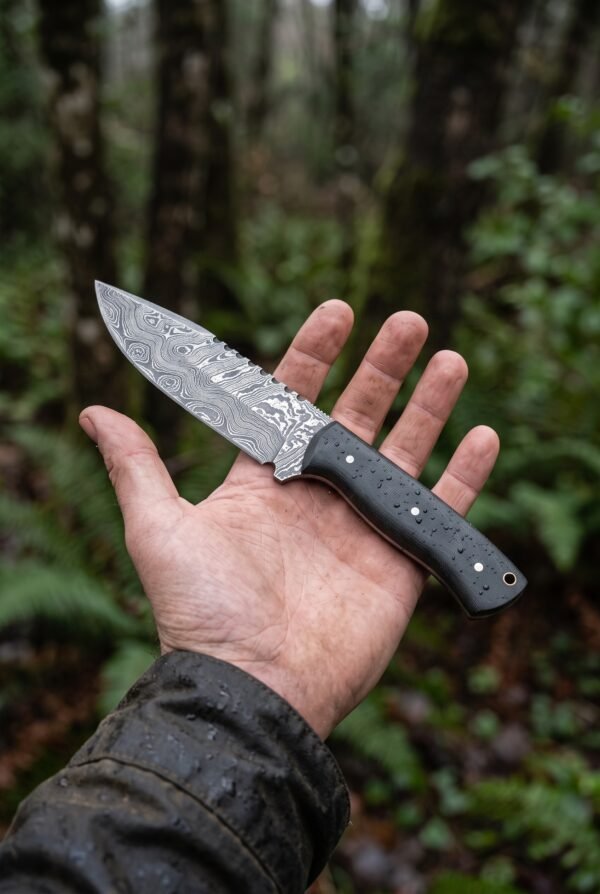
A 500 layer Damascus knife is one where the billet has been folded enough times to produce several hundred alternating layers of 1095 and 15N20. Layer count is arrived at by doubling. A seven layer stack folded six times gives you well over four hundred, and the arithmetic runs away quickly, which is why the numbers quoted across the industry get large and vague.
What layer count actually does
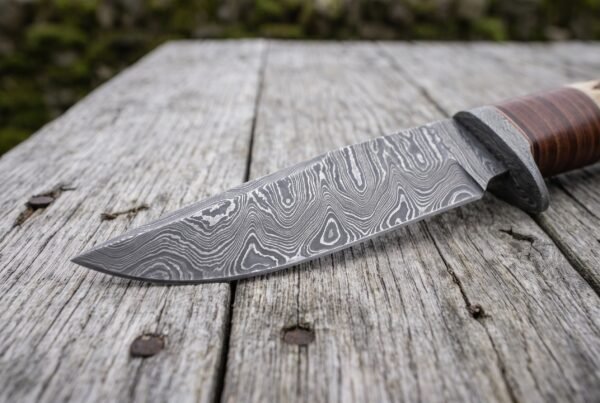
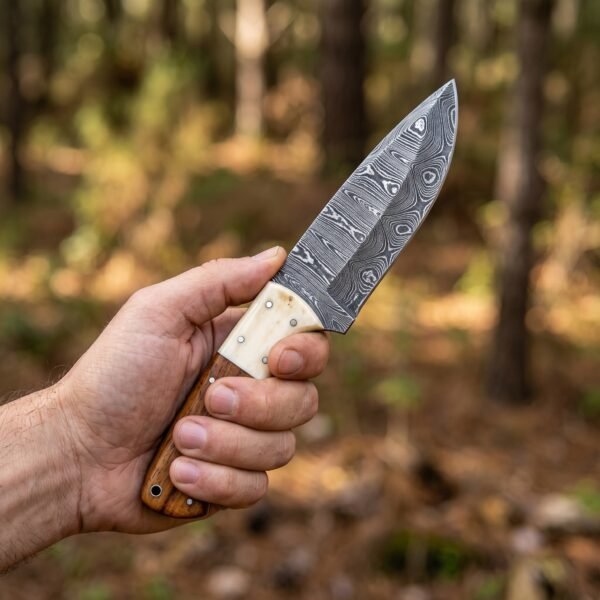
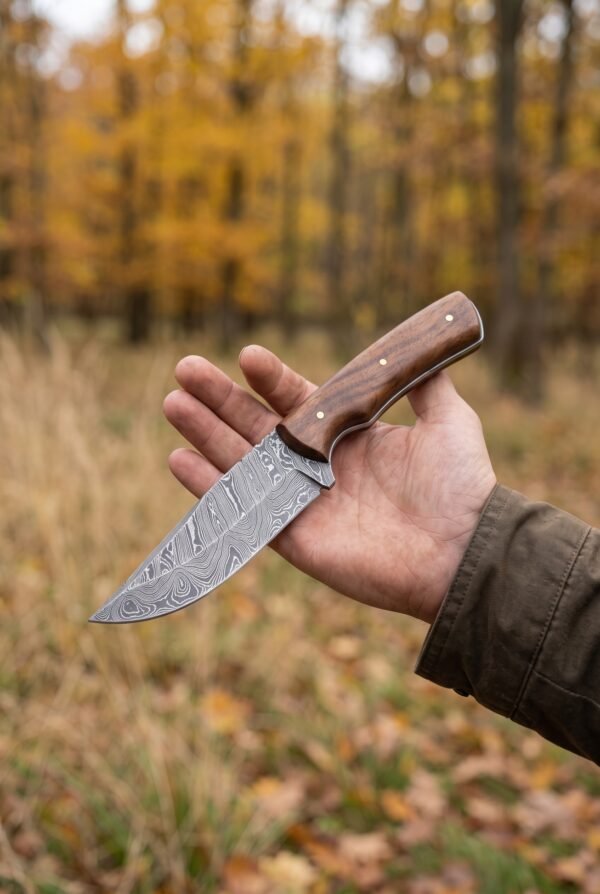
It changes the pattern, not the performance. More layers means a finer, tighter figure with less contrast between the light and dark bands. Fewer layers gives you bold, wide bands you can see across a room. Neither cuts better. What decides cutting is the steel, the heat treat and the geometry, and both are 1095 and 15N20 hardened to 58 to 60 HRC whatever the count. Anyone selling layer count as performance is selling you a picture. The pattern welding explainer covers how a billet is built and folded, and the five checks before you buy is the useful thing to read before spending money on any pattern.
The knives on this tag
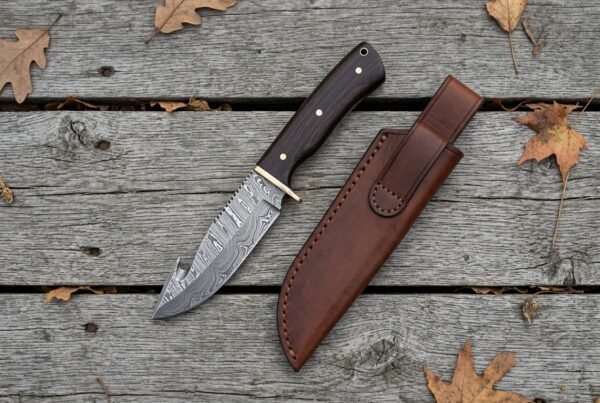
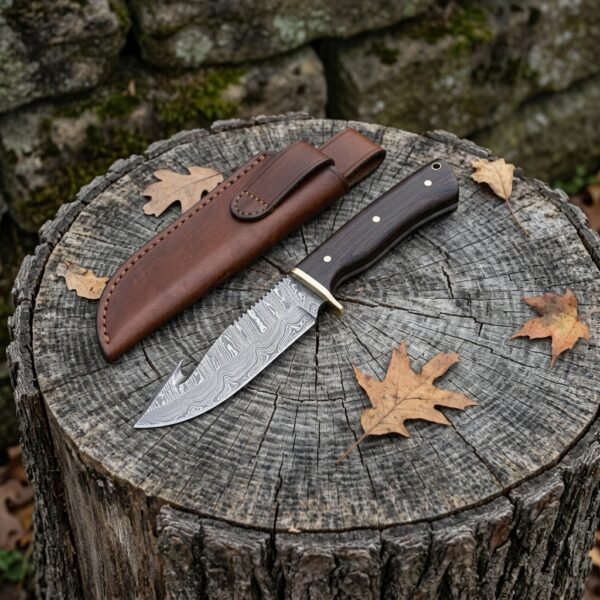
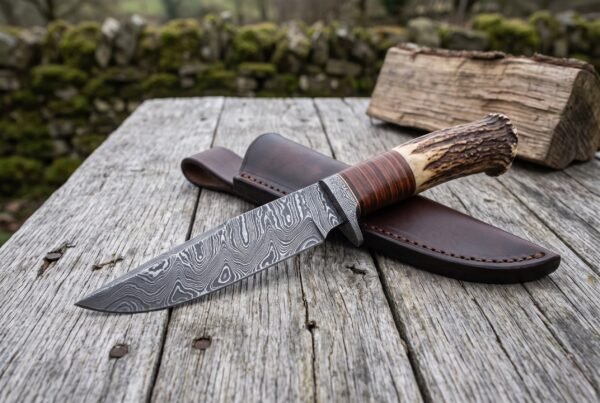
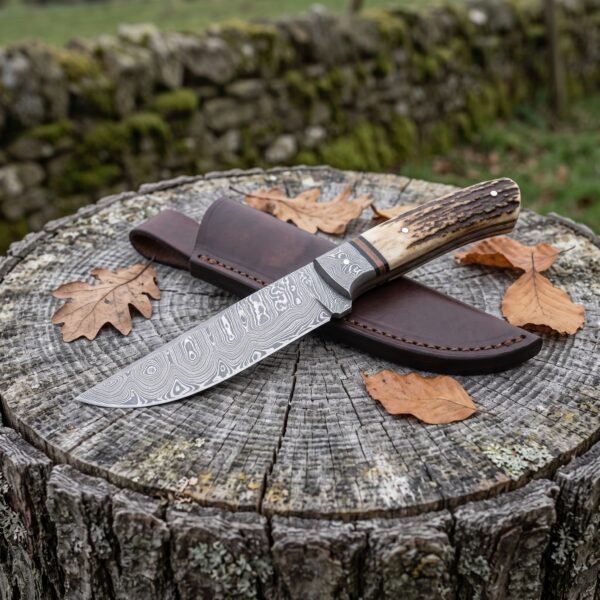
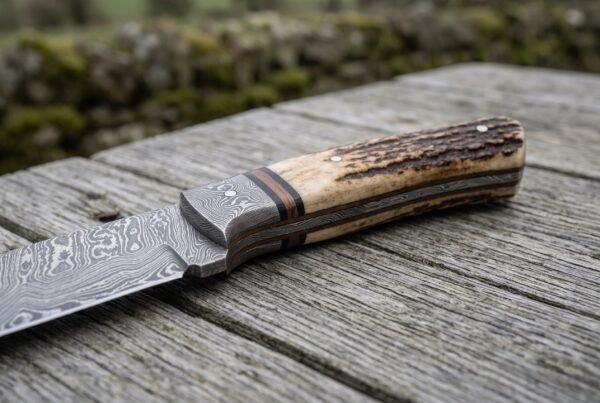
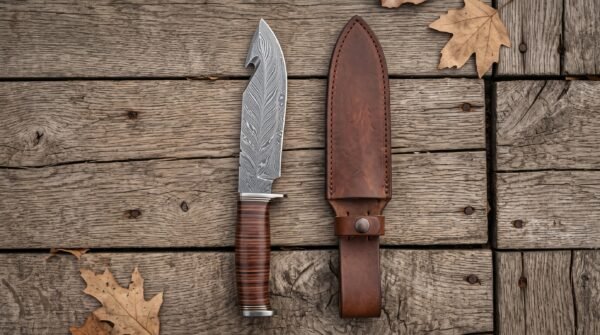
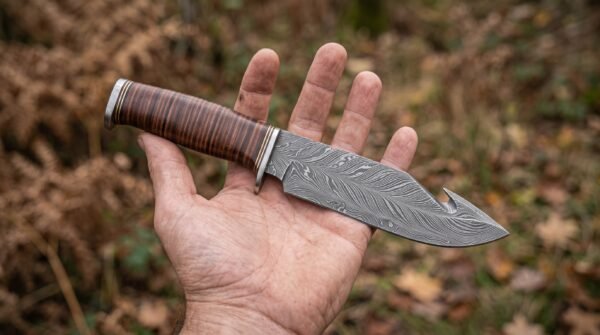
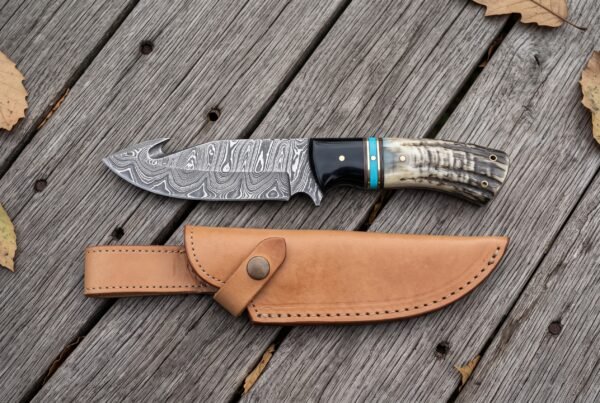
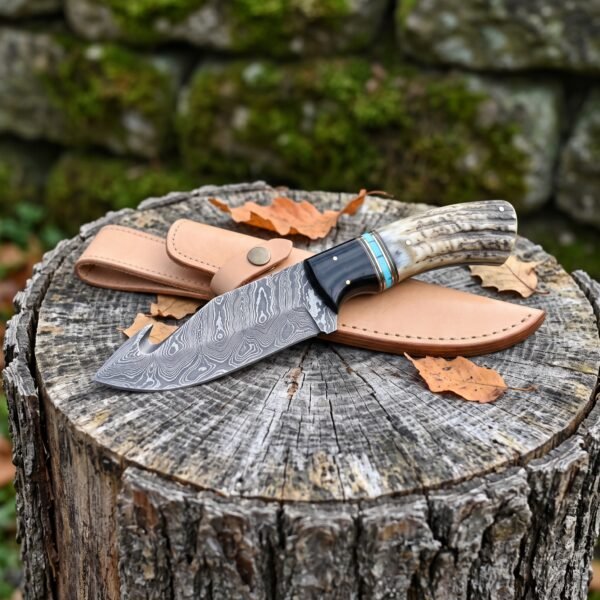
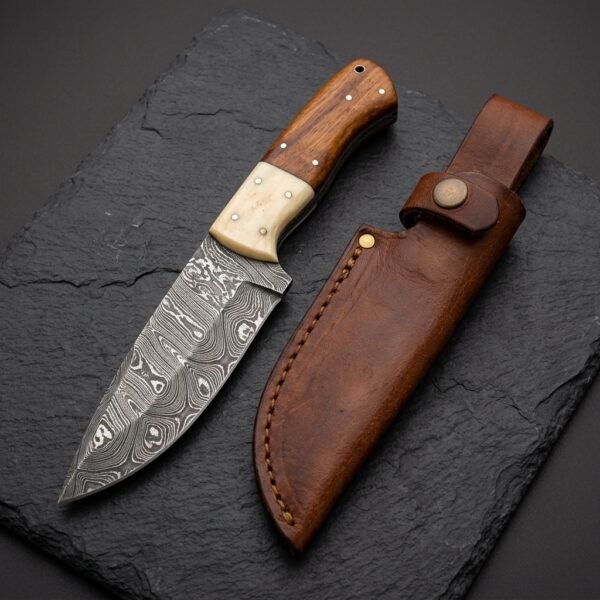
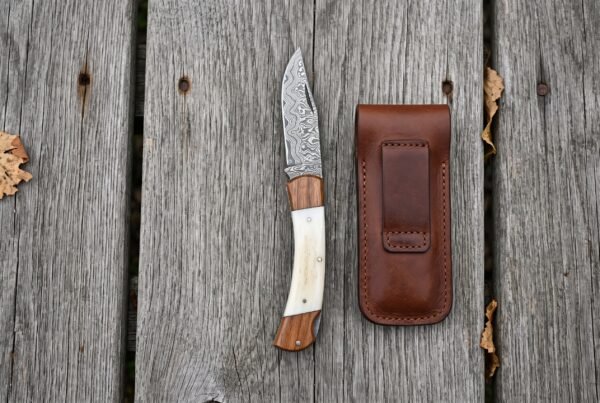
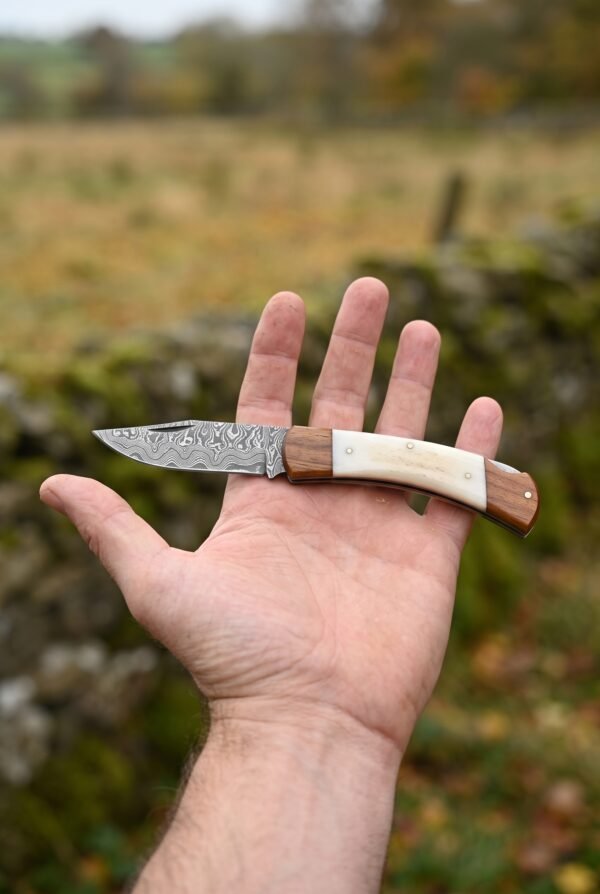
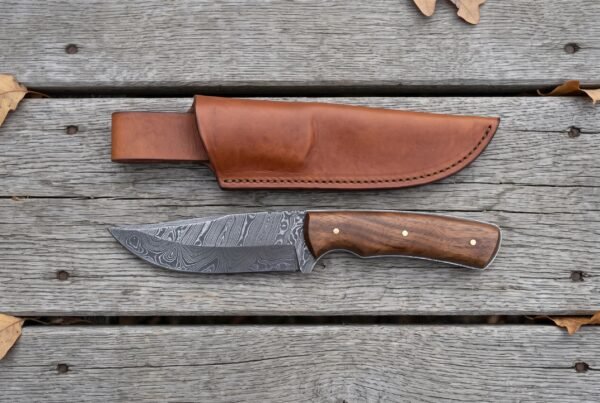
Skinners, hunting knives, bowies and gut hook patterns. Blade lengths run 3, 4.5, 5, 6 and 7 inches, with overall lengths from about 7.75 to 12. Every blade here is hand forged Damascus at 58 to 60 HRC. Handles are stag horn, wood, buffalo horn, walnut and white bone, several with hardwood bolsters or brass and fiber spacers. All are full tang and every one ships in a stitched cowhide sheath cut for that blade.
Keeping the pattern visible
The etch is a surface finish, not a coating. Handling wears it at the contact points and an abrasive cleaner will take it off entirely. Wipe, dry and oil. The Damascus care notes cover it. The blades are in the Damascus knives.
What a fold actually is
The smith stacks alternating bars, welds them under heat and pressure, draws the billet out, cuts it and folds it back on itself, then welds again. Each cycle doubles the count. Twisting, pressing or drilling the billet between folds is what produces ladder, raindrop and twist patterns rather than plain lines, and that choice is made long before the blade has a shape.
Free US shipping
On most pieces. Heavier and oversized ones carry a flat charge.
Hand Forged
Heated, hammered and ground by hand.
Engraving available
Names, dates or Norse runes on most pieces.