A camp knife sits in the gap between a small hatchet and a bushcraft knife, and the gap is real. A hatchet splits and chops well but is useless for anything needing a fine edge. A four inch bushcraft blade carves beautifully and stalls the moment you ask it to get through a wrist thick piece of seasoned wood. The camp knife is the compromise that has been carried into the woods since long before either term existed: enough blade to baton kindling and break down a carcass, enough control to slice onions on a tailgate, and light enough that you take it every time rather than leaving it in the truck.
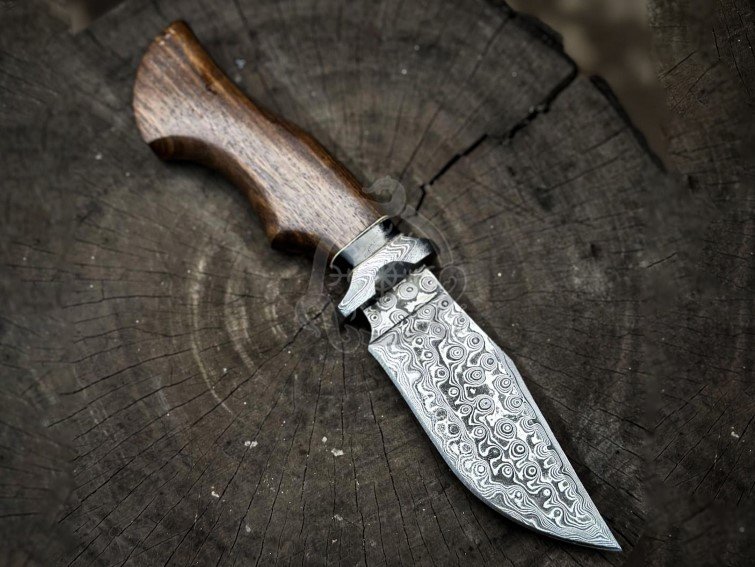
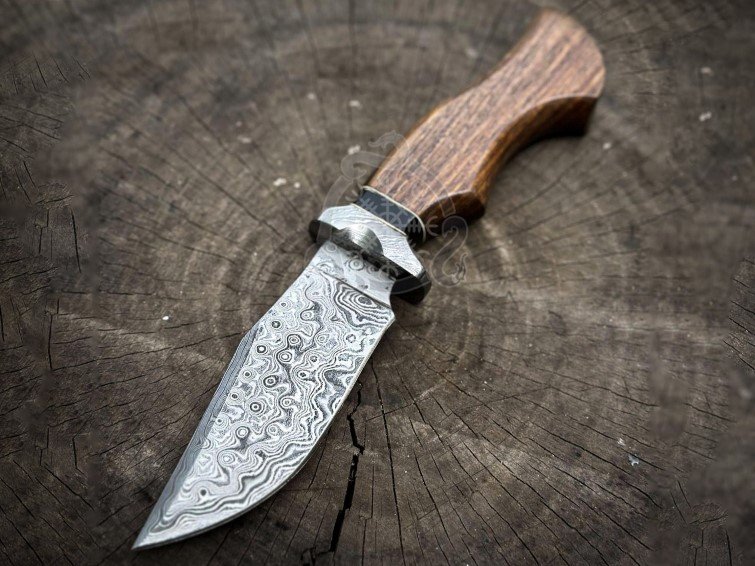
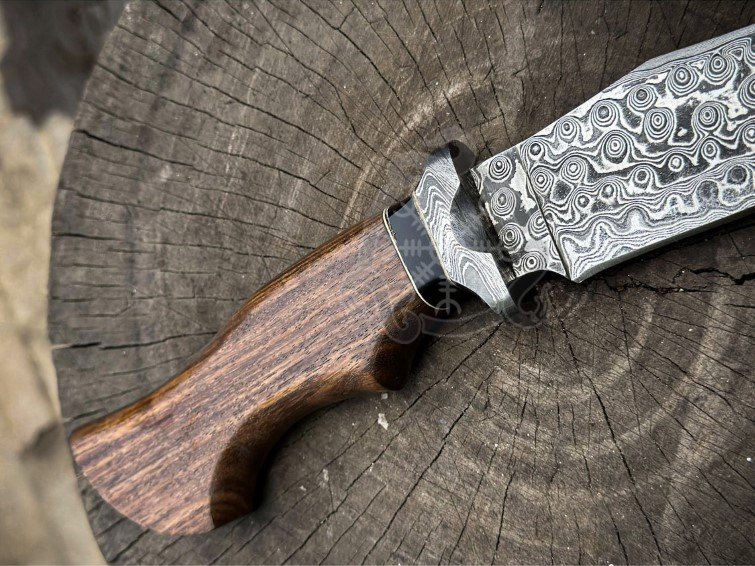
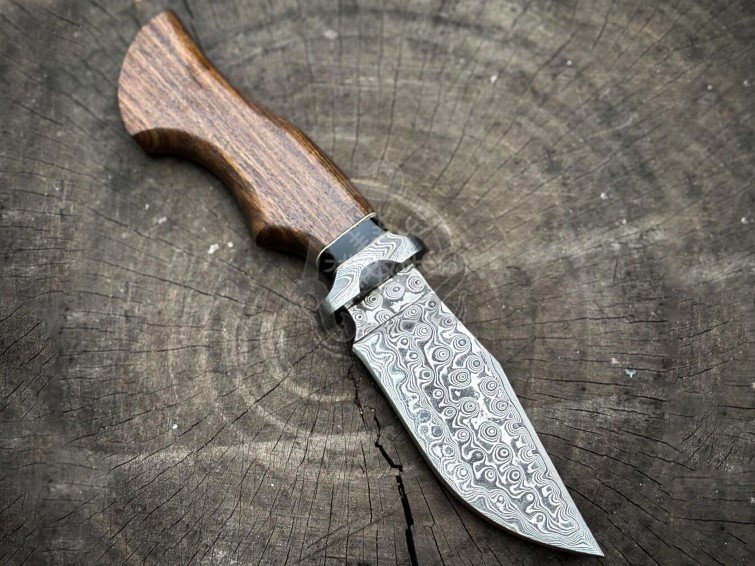
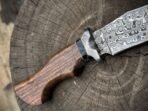
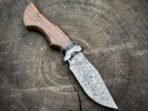
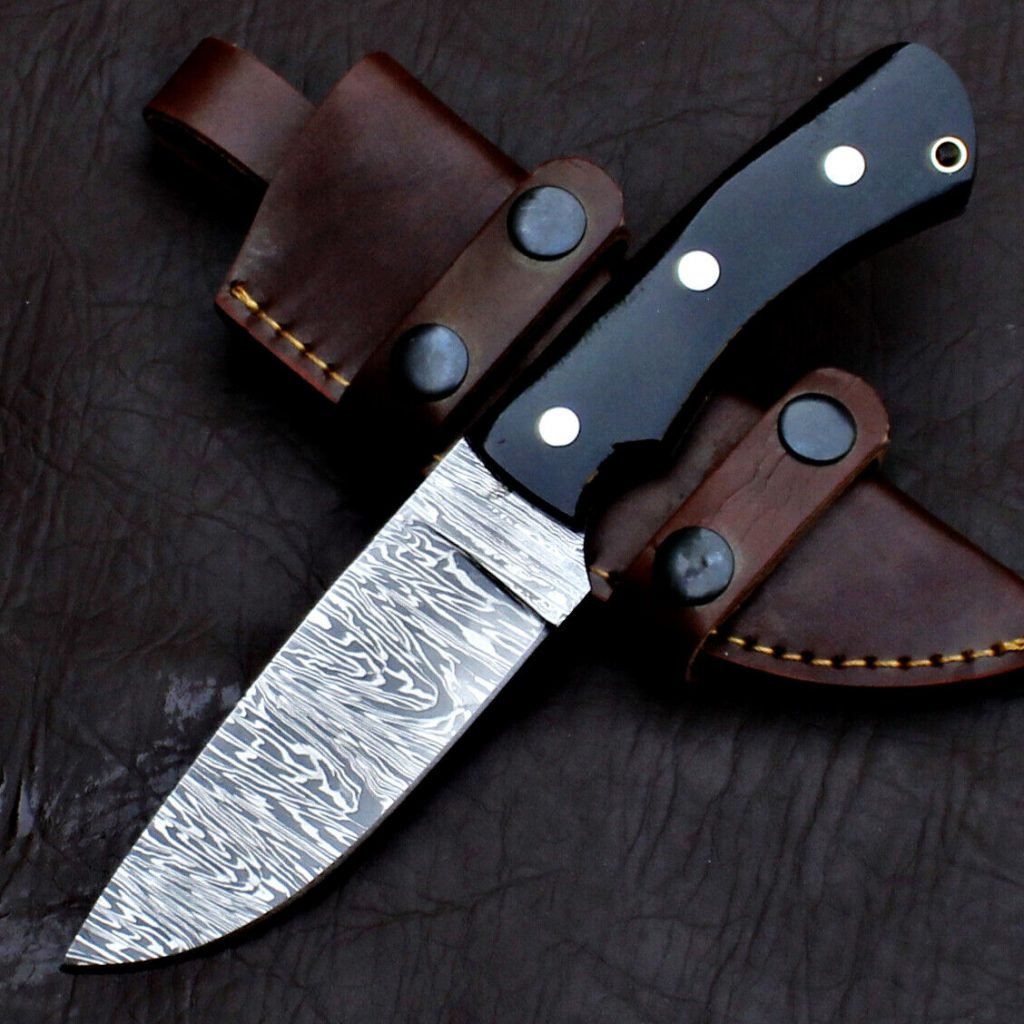
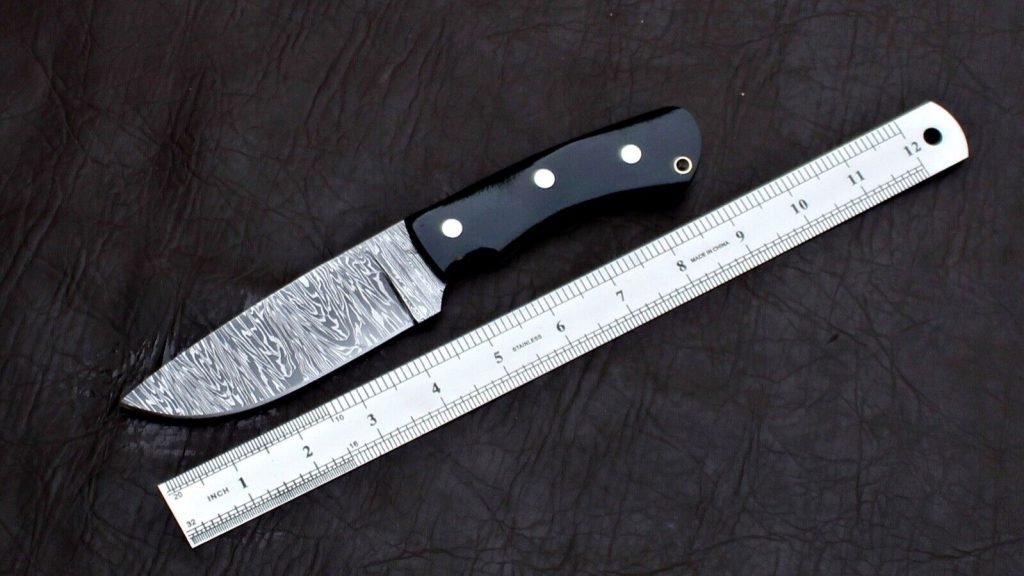
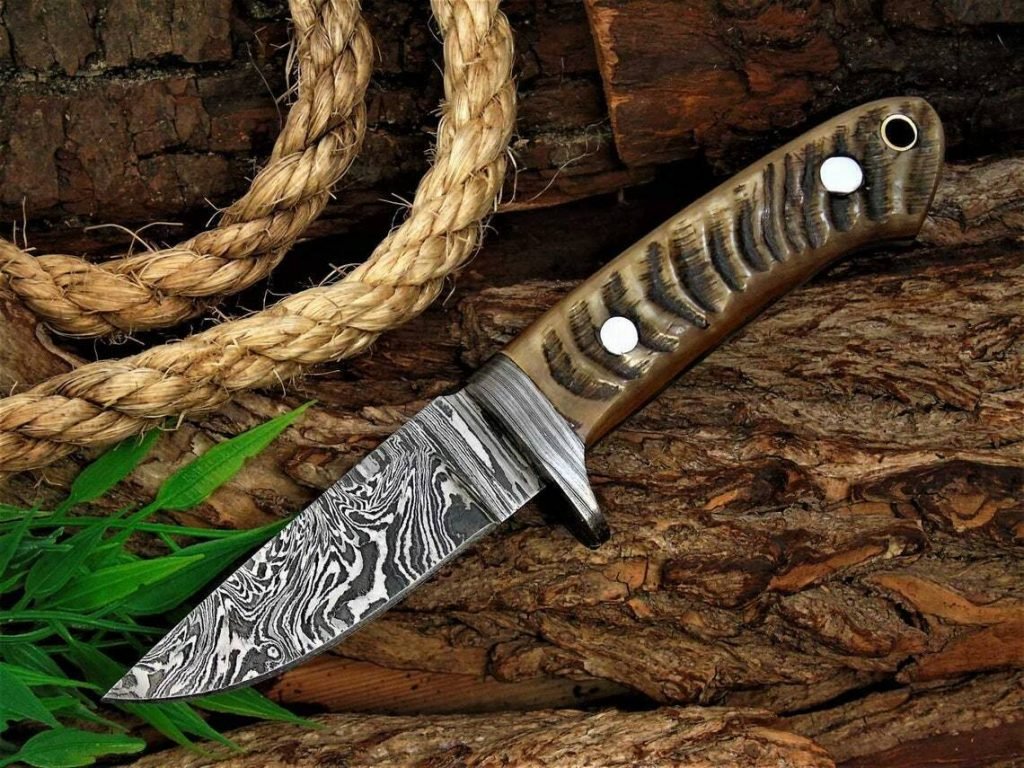
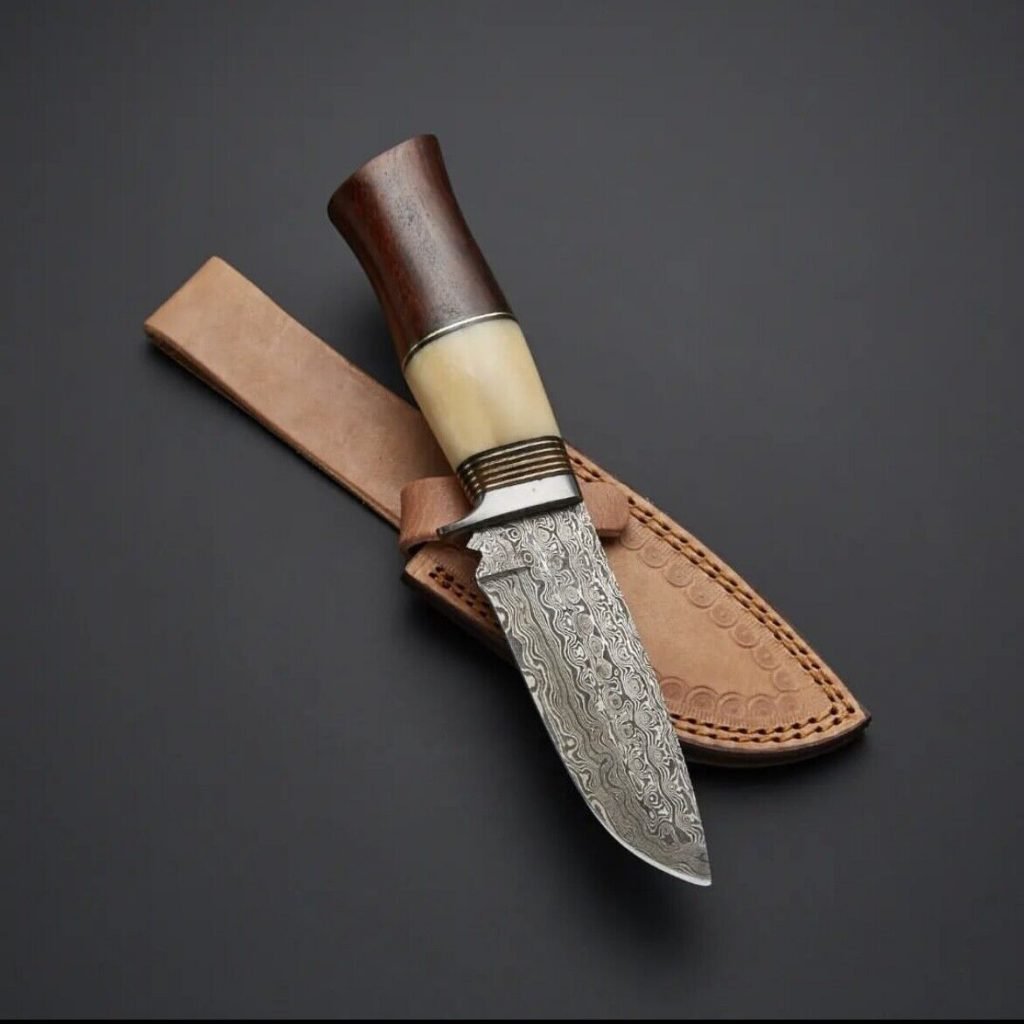
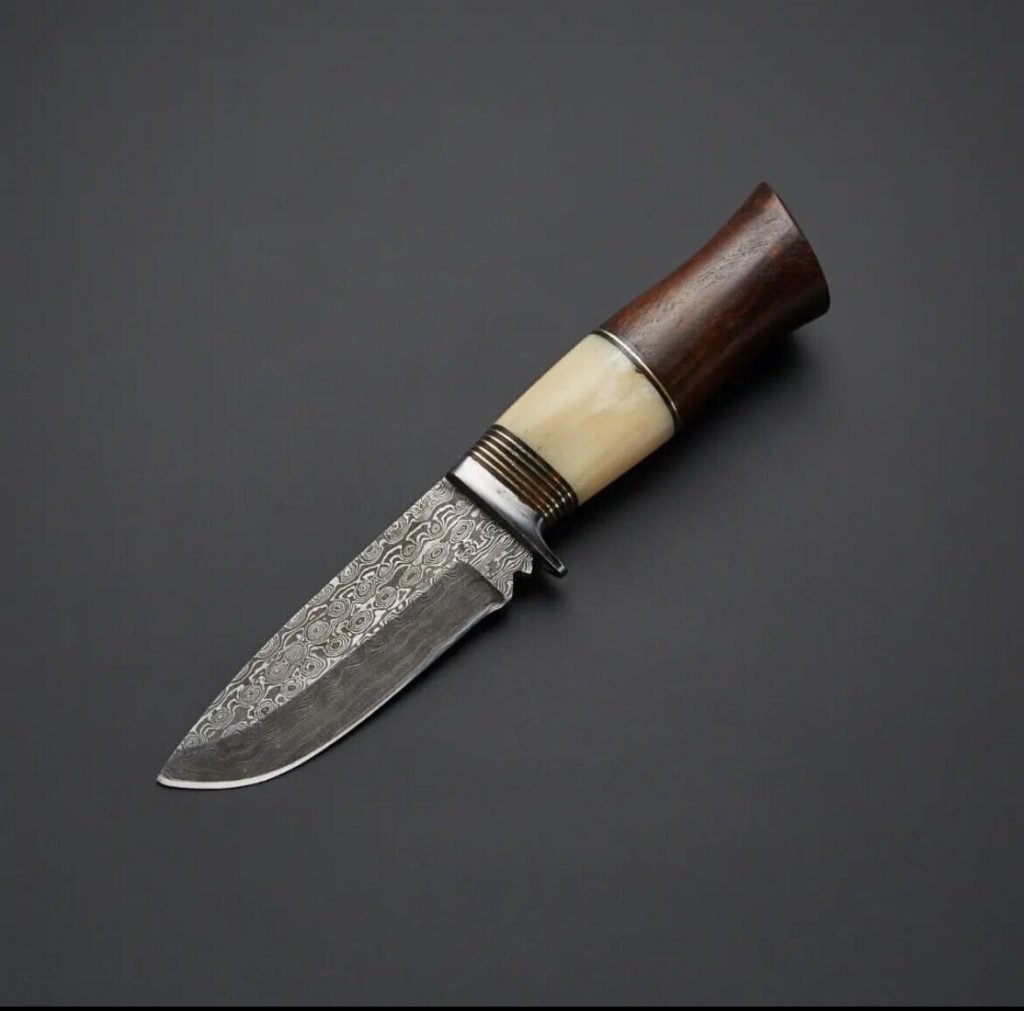
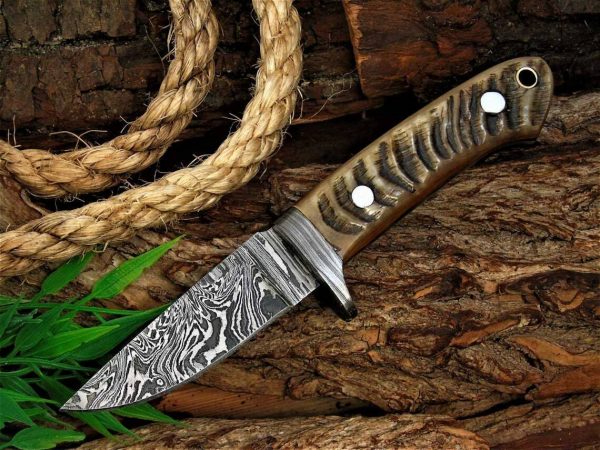
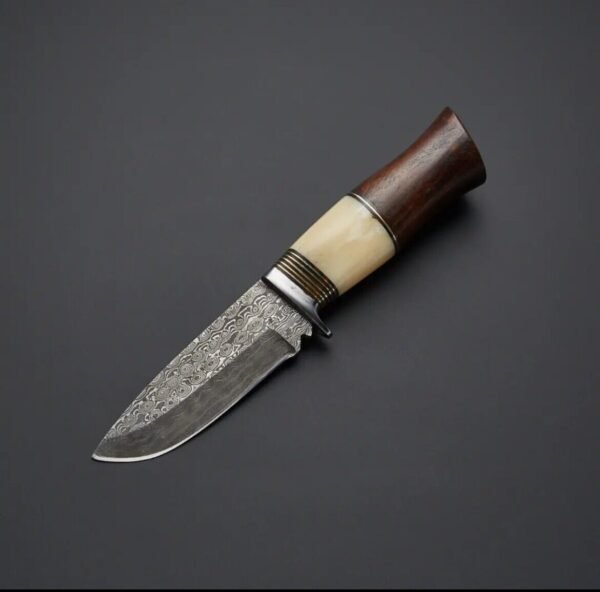
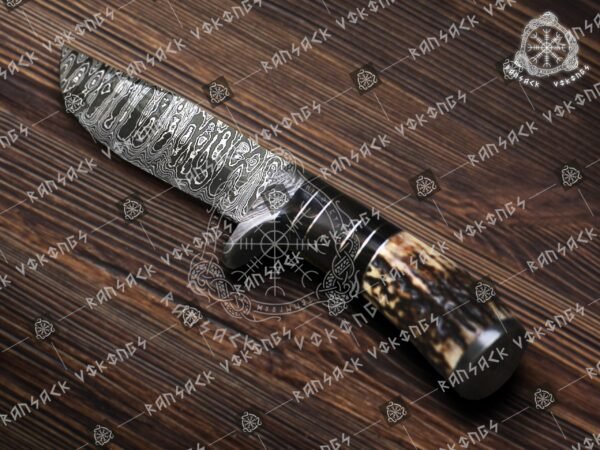
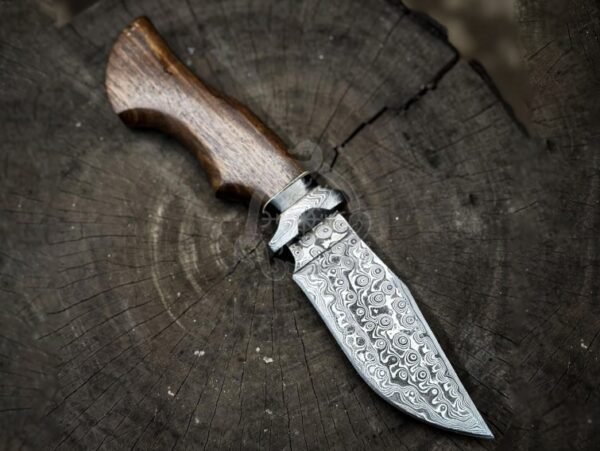
The Rosecamp is that pattern in hand forged Damascus. The blade is 1095 and 15N20 forge welded and hardened to 58 to 60 HRC, 5 inches long on a knife that runs 10 inches overall, with a rosewood handle, a Damascus guard cut from the same billet family as the blade, and a black spacer between the two. It feels heavier in the hand than it looks on a screen, which is exactly what you want from this shape.
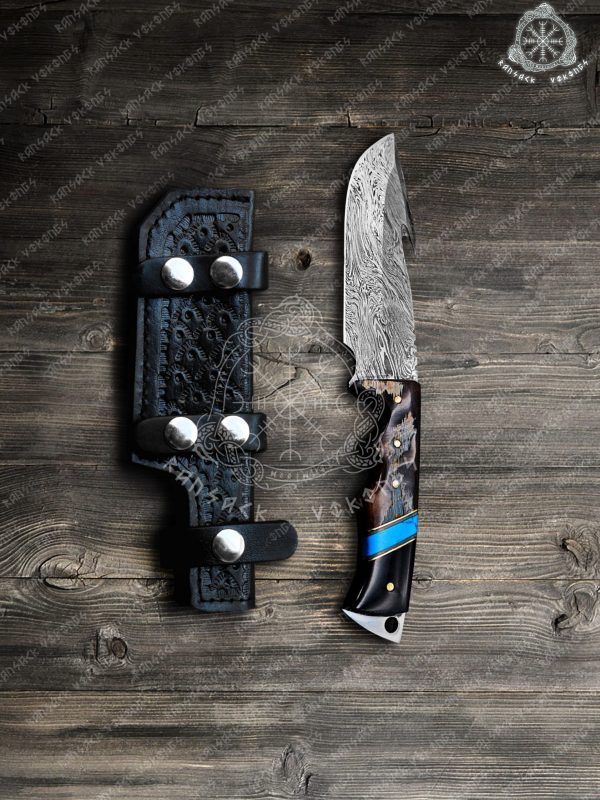
It is made in a Czech Republic workshop and ships with a leather sheath, protective packaging and an edge already put on the stone.
Specifications
| Steel | Hand forged Damascus, 1095 and 15N20 |
|---|
| Hardness | 58 to 60 HRC |
|---|
| Overall length | 10 inches |
|---|
| Blade length | 5 inches |
|---|
| Handle | Rosewood with a Damascus guard and black spacer |
|---|
| Sheath | Leather |
|---|
| SKU | RK-1053 |
|---|
What a camp knife has to get right
Three things decide whether a camp knife works, and none of them is the pattern in the steel. The first is mass distribution. Five inches of blade with the weight kept forward of the guard gives you enough momentum to bite into wood, but the balance still has to sit near the hand or the knife becomes tiring within an hour of carving. This one balances close to the guard, which is the reason it feels solid rather than nose heavy.
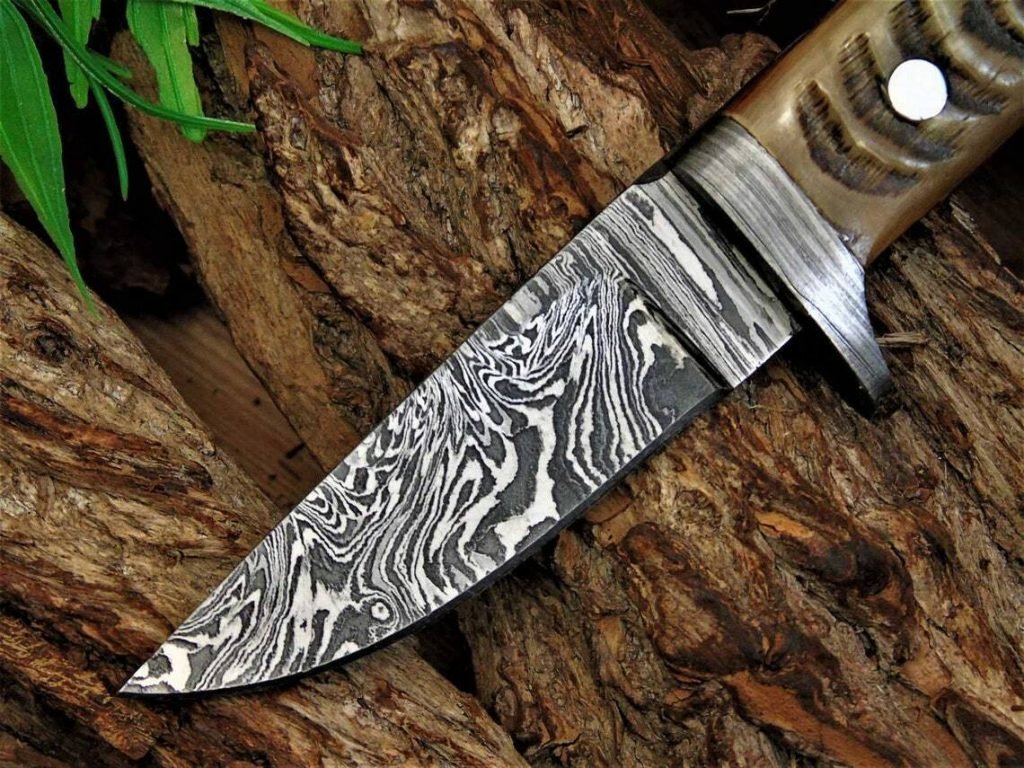
The second is the spine. A camp knife gets struck. Batoning means laying the blade across a round of wood and hitting the exposed spine with a billet to drive it through the grain, and that only works if the spine is flat, square and thick enough not to mushroom. The third is the guard, which is there for the single moment it matters: a wet or greasy hand sliding forward under load. On a knife that will be used in the rain, on a carcass and around a fire, a guard is not decoration. The Damascus guard here is forged rather than cast, so it carries its own banding and picks up the same etch as the blade. If you want the comparison with a dedicated skinner or a hunting blade, it is in hunting knife versus skinner.
Why Damascus and not stainless
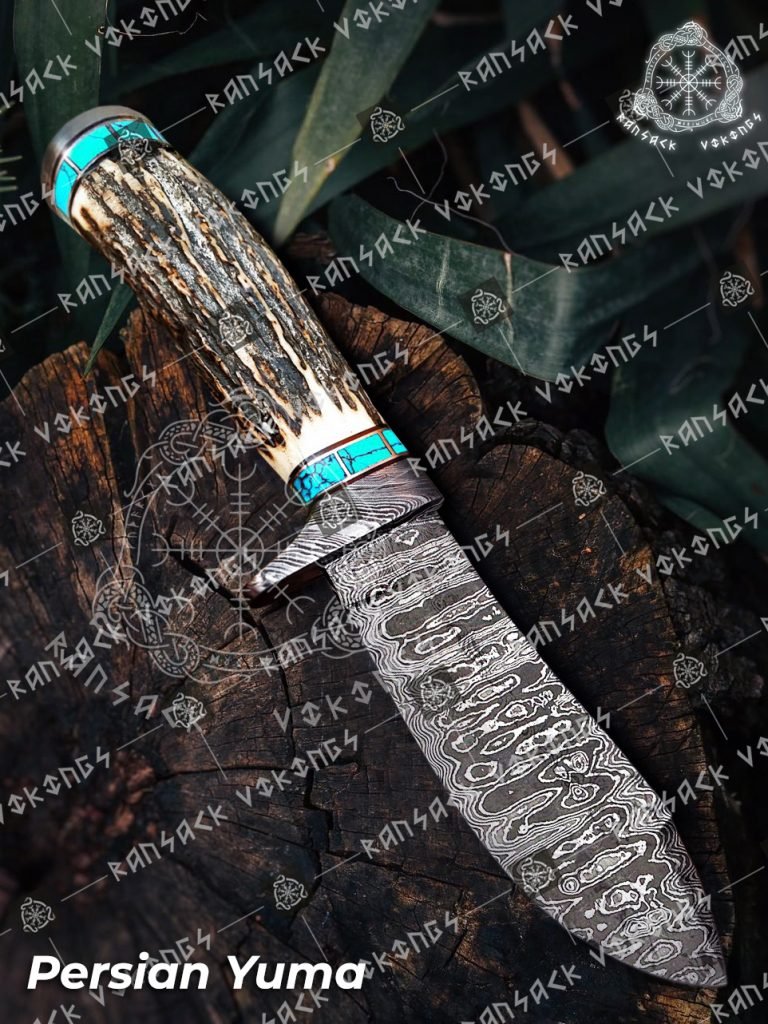
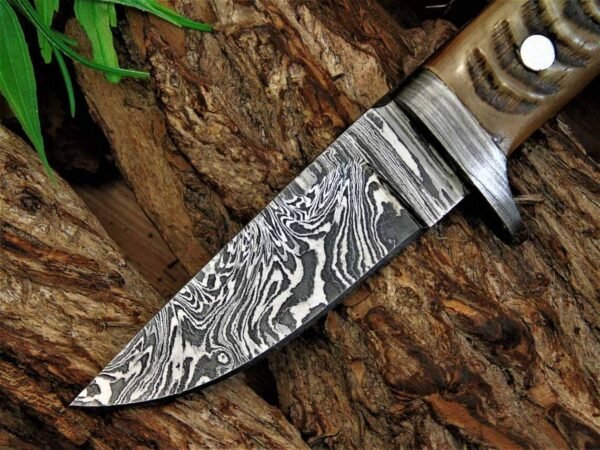
Forge welded from 1095 and 15N20, this blade carries a pattern that goes all the way through the steel. That matters for more than looks. A blade built from alternating hard and slightly tougher layers behaves well under the impact loads a camp knife takes, and at 58 to 60 HRC it takes a keen edge and holds it through a day of work. Printed and laser etched blades look similar in a photograph and give themselves away under a file, so if you are buying Damascus anywhere, run through our five checks for real Damascus first.
Stainless would ask less of you and give less back. It resists rust without thinking about it, which is genuinely useful, but at the hardness most stainless is run it will not hold an edge through batoning and heavy slicing the way this will, and it takes longer to bring back on a stone when you are out and working. This blade is high carbon underneath the pattern and it will spot if you put it away wet. That is a one minute job. The whole comparison is set out in Damascus versus stainless.
The rosewood handle
Rosewood carries the weight of this piece without adding bulk. It is dense, which balances the blade, and the natural oil content means it stays grippy in the wet instead of turning slick the way a lacquered handle does. It also warms in the hand within seconds, which is a bigger deal in cold weather than any catalogue description makes it sound. Every handle is shaped from a different piece of timber, so the figure and the colour shift from one to the next and will deepen with age and handling.
Wood is the only part of this knife that needs feeding. A light coat of oil once or twice a year keeps the grain tight, keeps the fit around the tang from opening up, and deepens the colour instead of building a film that can flake. It takes five minutes and it is shown in wooden handle care. The black spacer and the Damascus guard need nothing beyond the same wipe of oil you give the blade.
Engraving, runes and your own design
Use the rune converter on this page to turn a name, a date or a short phrase into Elder Futhark and we will cut it into the steel or the handle. If you would rather have a Viking pattern than a rune line, choose your own design in the engraving option above the add to cart button and tell us whether it goes on the blade or the handle. Where a piece already carries an engraved design, your chosen engraving replaces it rather than sitting alongside it. A 5 inch flat gives plenty of room for a name and a date or a longer rune line, and rosewood is dense enough to take a crisp cut. It is all done in house before the knife is packed. Options are on the engraving page.
Care and sharpening
Damascus is carbon steel underneath the pattern, so treat it like carbon steel. Dry it after use, put a thin film of mineral or camellia oil on it before storage, and keep it out of the sheath for long spells because leather holds moisture. Sap and blood are both mildly acidic, so a wipe at the end of a day in the woods is worth more than a thorough clean a week later. The detail is in steel care.
Sharpening is ordinary bench work. A medium stone to raise a burr the length of the edge, a flip to match it, then a fine stone or a strop to finish. On a camp knife it is worth leaving the edge a shade more obtuse than you would on a kitchen knife, because an edge ground very thin will roll the first time it meets a knot. Method in sharpening with a whetstone.
Made in the Czech Republic
This is a handmade piece from the Czech Republic, made in a workshop that still forges, grinds and finishes by hand instead of stamping parts out. The smiths there have kept the older way of working, and the wood, horn and leather are shaped and fitted by hand as well. Two pieces of the same design will never be identical, and that is part of what you are buying.
Ransack Viking is a United States company. We handle the import ourselves, look over every piece when it lands and ship from our warehouse in Memphis, Tennessee. Engraving is done in the United States after the piece arrives, so your design goes on before we send it out.
A note on handmade variation
This camp knife is hand forged. It is not machine made and it is not bulk produced, so what arrives will not be a pixel for pixel copy of the photograph on this page. The Damascus is drawn out under a hammer, so the banding on the blade and the guard sits at its own angle and spacing on every piece. The rosewood is cut from a different board each time, which changes the grain, the figure and the depth of colour. The dimensions, the steel, the hardness and the build are identical every time. The character is not.
Frequently asked questions
What is the difference between a camp knife and a bushcraft knife?
Mostly length and mass. A bushcraft knife is usually three to four inches and optimised for carving and fine control. A camp knife runs five inches or more with weight kept forward so it can chop and baton as well as slice. This one sits at the small end of camp knife territory, which is why it is still comfortable for detail work.
Can I baton with it?
Yes, within reason. The spine is flat and square and takes a wooden billet without complaint. Split rounds up to about the width of the blade, use a wooden baton rather than a steel hammer, and do not twist the knife sideways in the split.
Is it full tang?
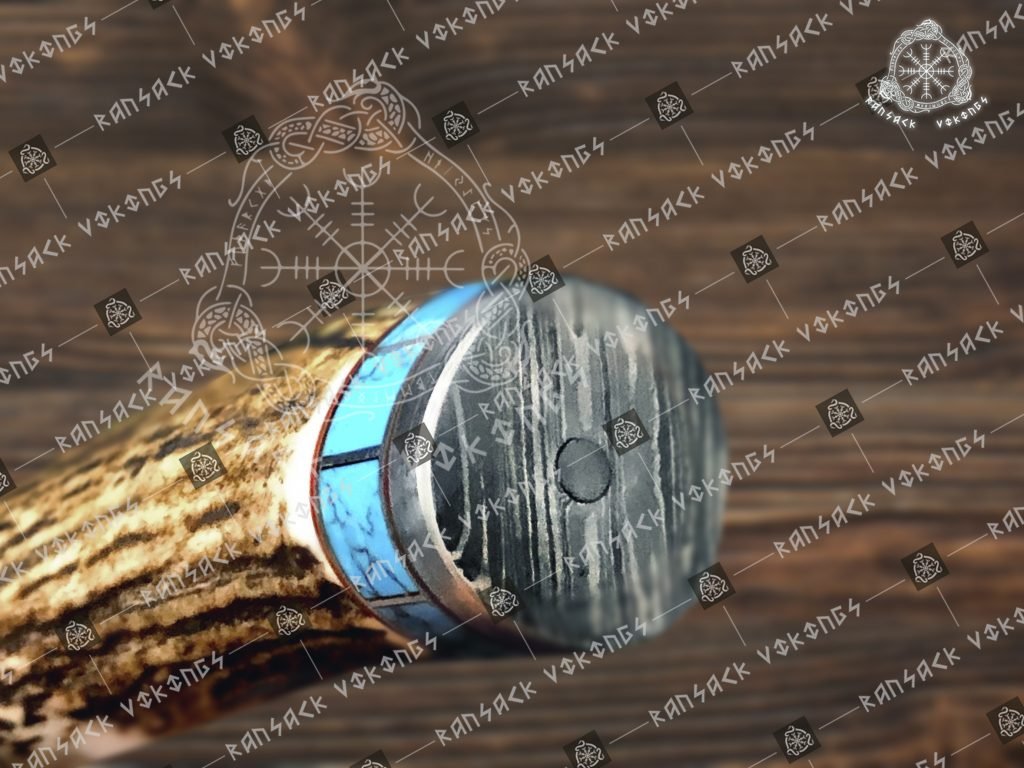
Yes. The tang runs through the handle, which is what allows the knife to be struck and levered without the joint becoming the weak point.
Does the Damascus guard need looking after separately?
No, but it is the same high carbon steel as the blade, so give it the same wipe of oil. It is the part people forget, and it is where a fingerprint will show up first.
Will the rosewood darken over time?
It will. Rosewood deepens with light, oil and handling, and a handle three years old usually looks richer than the day it arrived. Keeping it oiled controls how evenly that happens.
How long before it ships and can it be engraved first?
Processing is one to two weeks, a little longer with engraving. Add a name, a date or an Elder Futhark line before it leaves and it is cut in the same shop that forged the blade. US shipping is free.
What is in the box
- One Rosecamp Damascus camp knife with Damascus guard
- Leather sheath
- Protective packaging for storage or gifting
- Forged and finished in the Czech Republic
Explore the range
Nearby in the range sit Hunting Knives, Damascus Skinner Knives, Damascus Tracker Knives and Bowie Knives. Everything else worth knowing is written up in the guides.






Five stars isn’t even enough honestly. Edge retention has been great even after regular use. Couldn’t be happier with this. Ransack Viking is quickly becoming my go to shop for anything Norse themed.