Nobody issued pirates anything. That single fact explains most of what a boarding cutlass looks like. A navy could order two thousand identical swords and accept that each one was a compromise; a private crew bought or took what they could and kept what worked, which meant short blades, heavy blades, and hilts that covered the hand, because a boarding action was fought at arm length on a wet deck against people who had no reason to stop. What survived that selection process was not elegant. It was a thick, broad, twenty two inch blade with a plate over the fingers, and it stayed in use long after fashion had moved on.
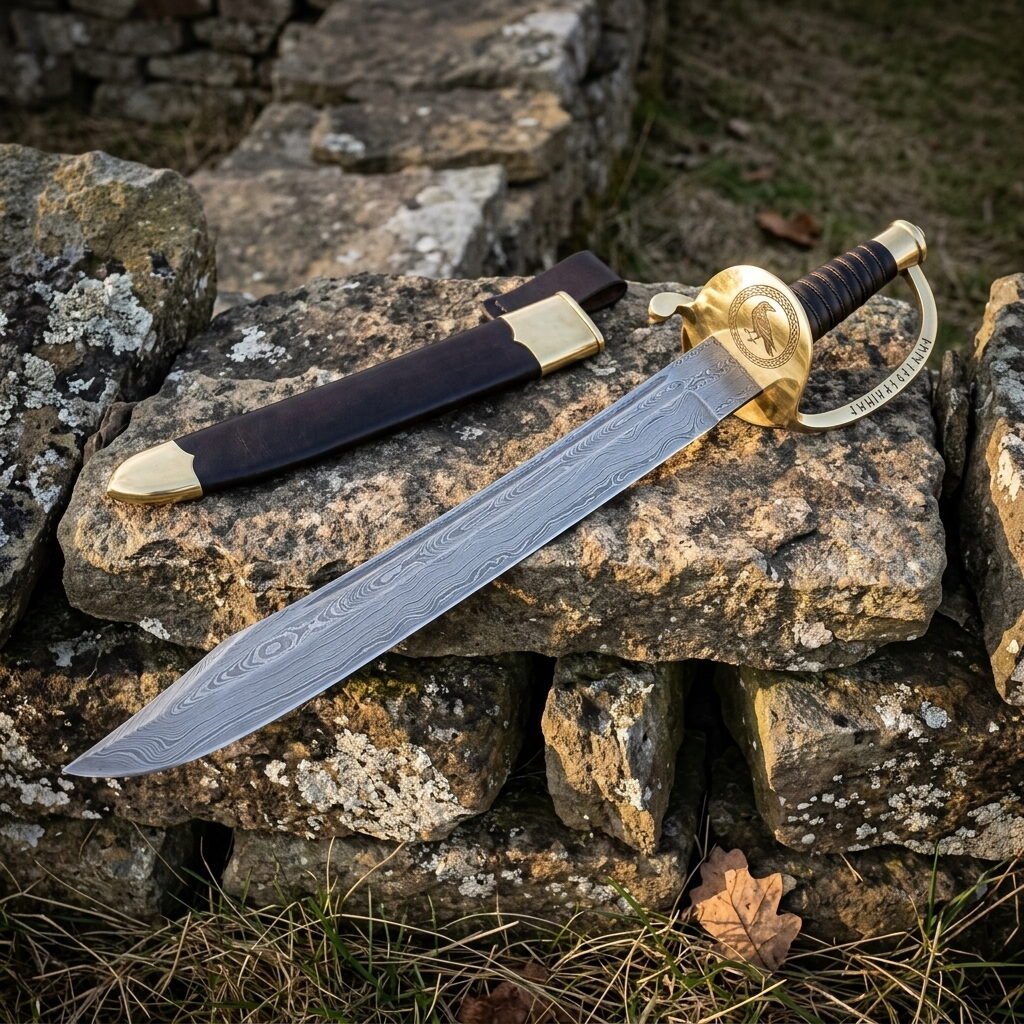
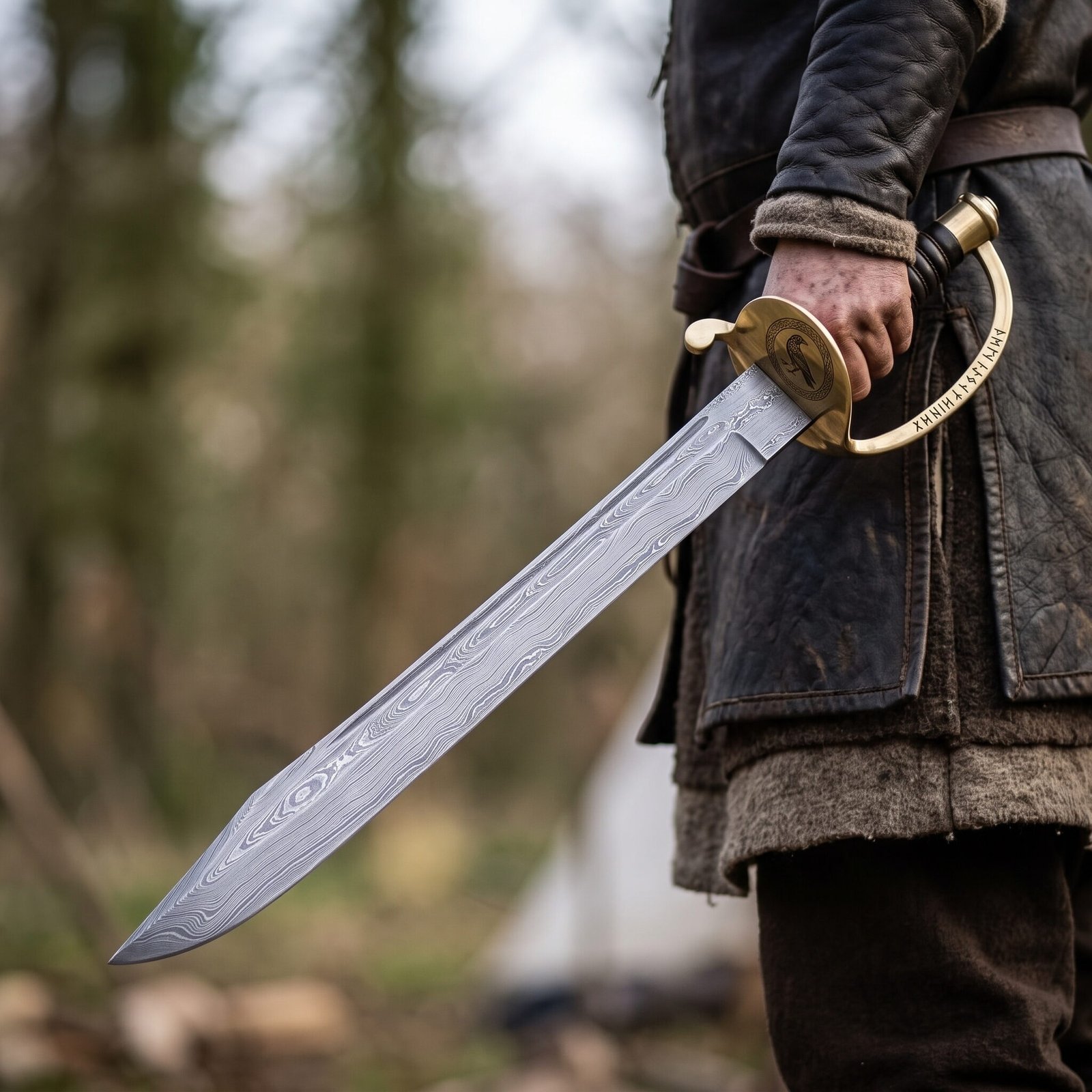
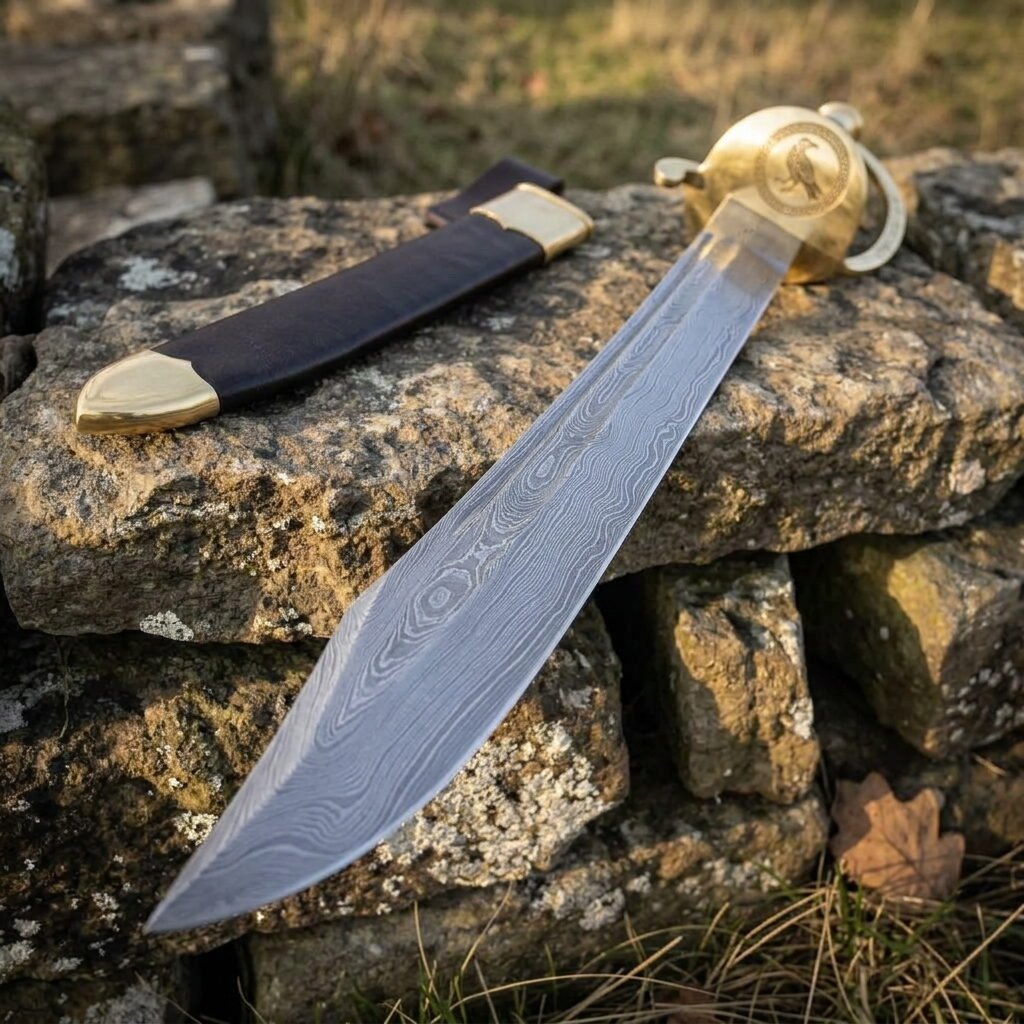
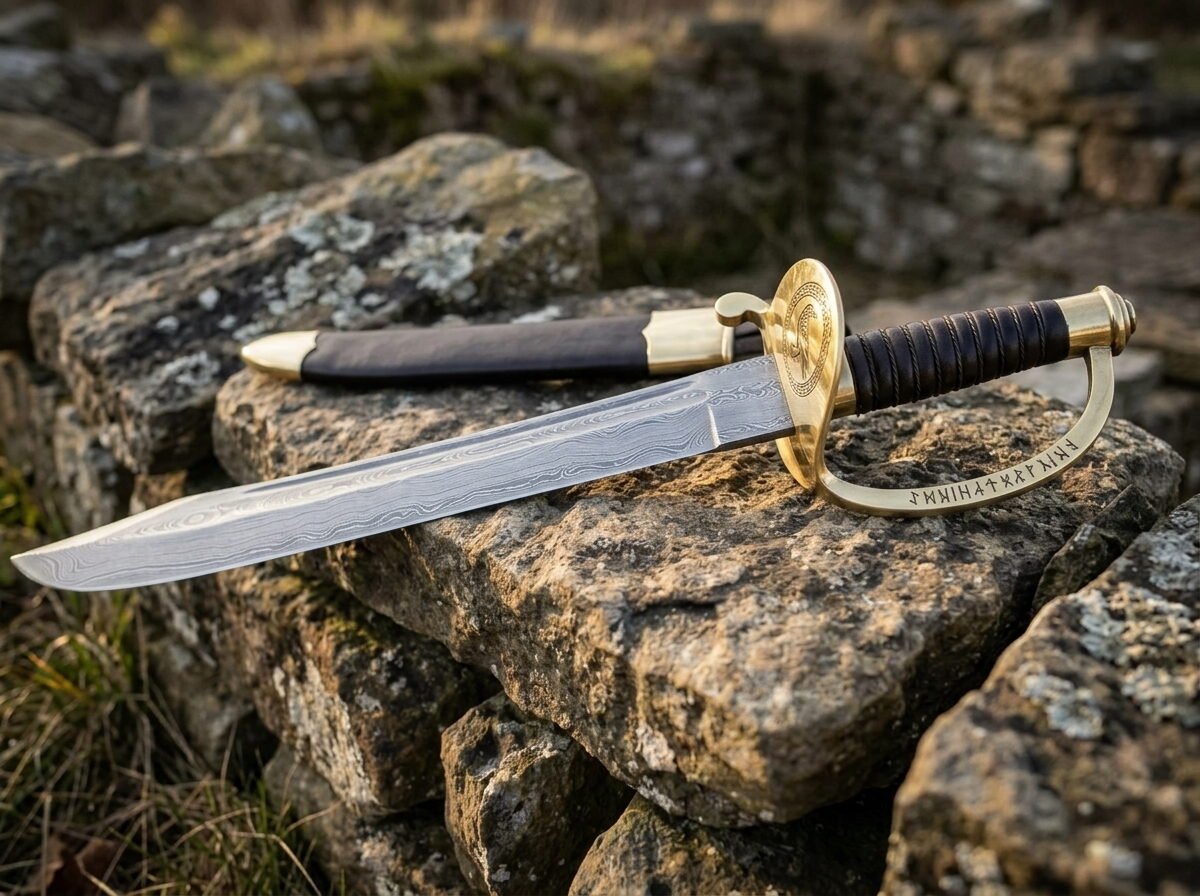
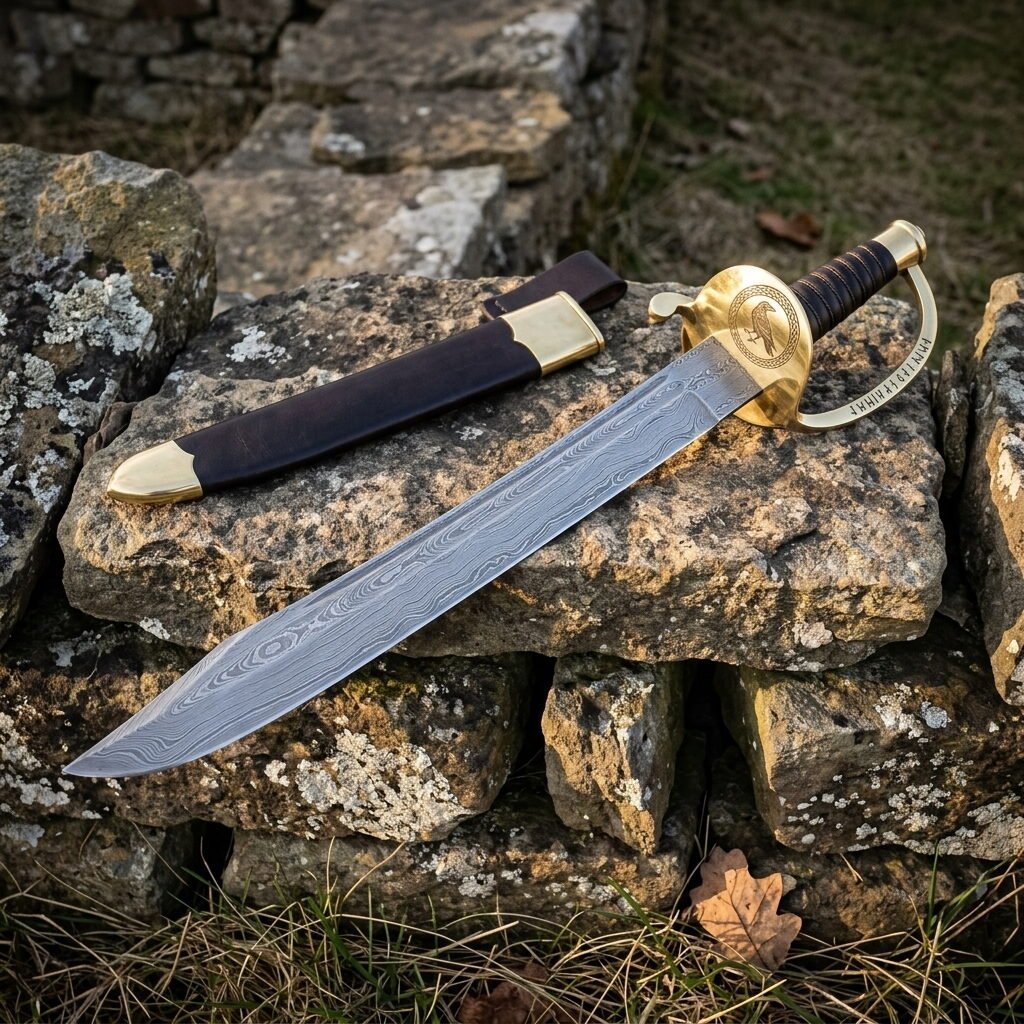
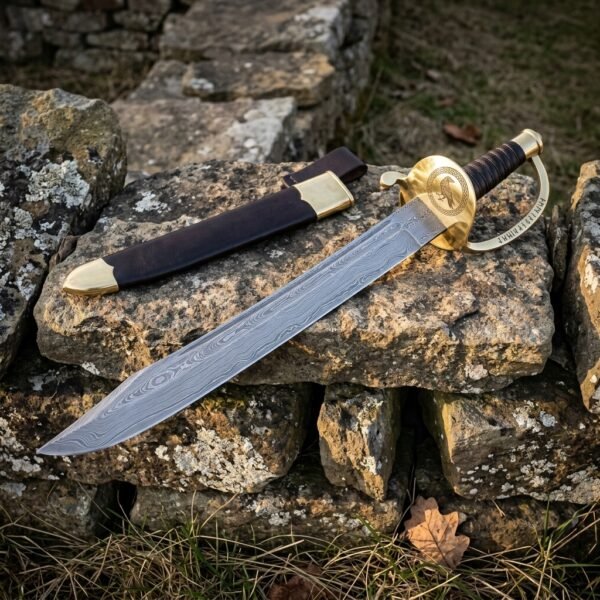
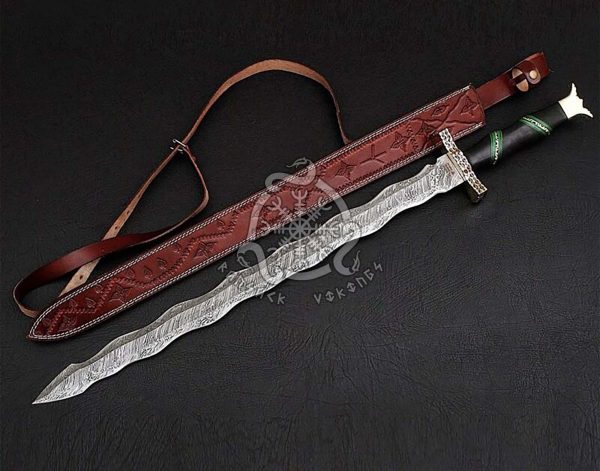
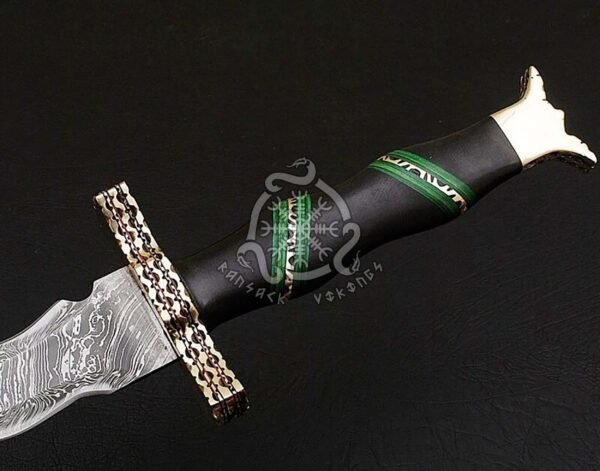
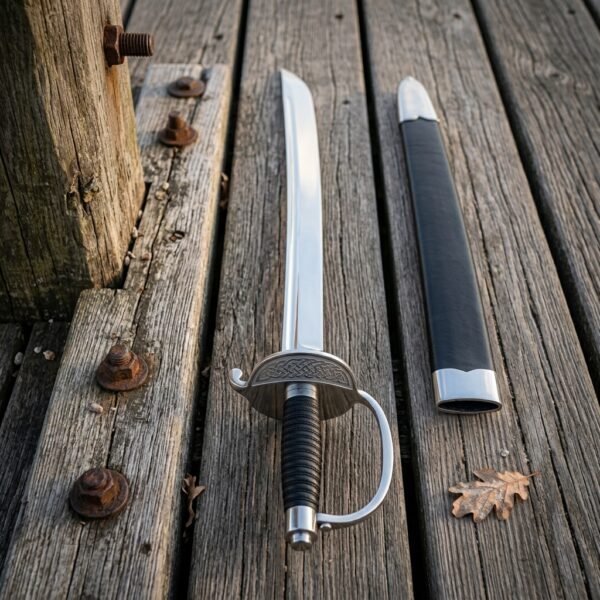
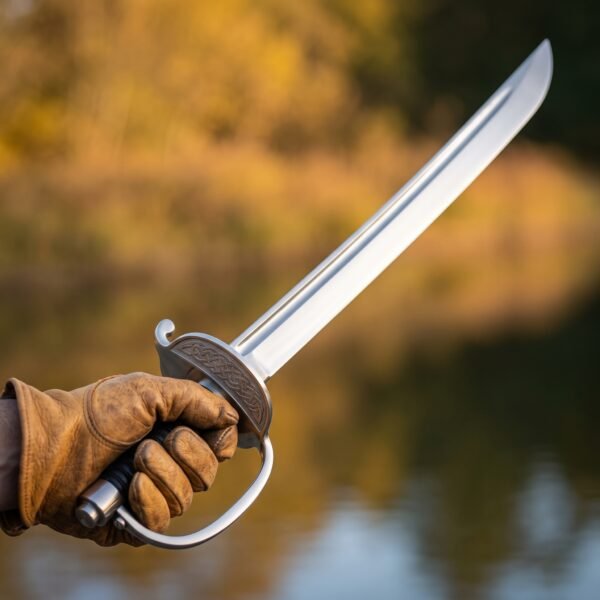
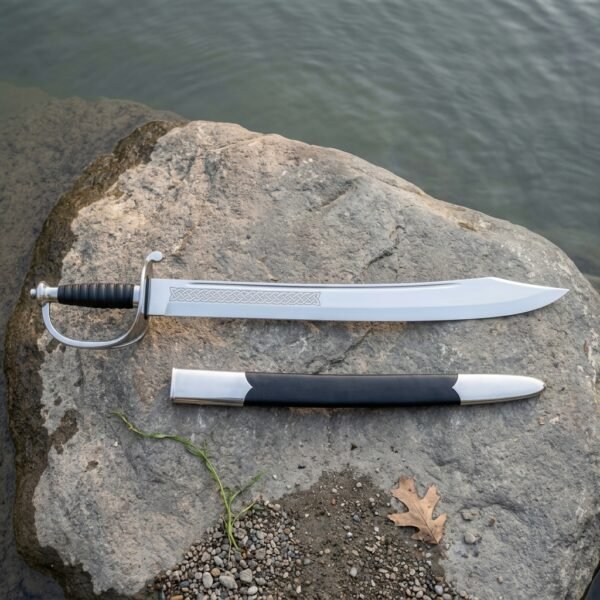
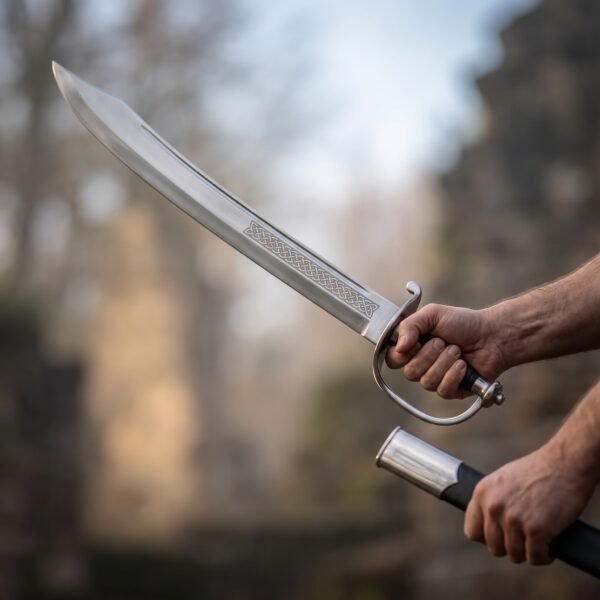
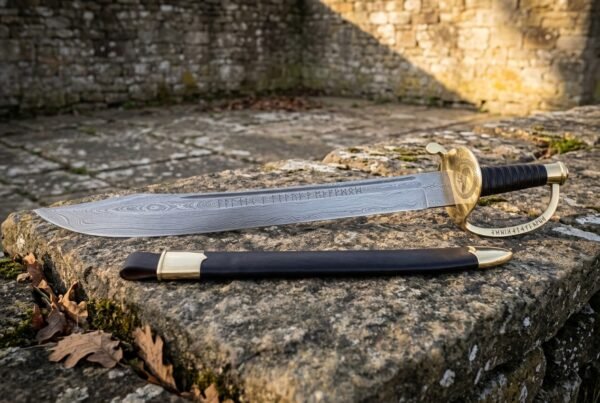
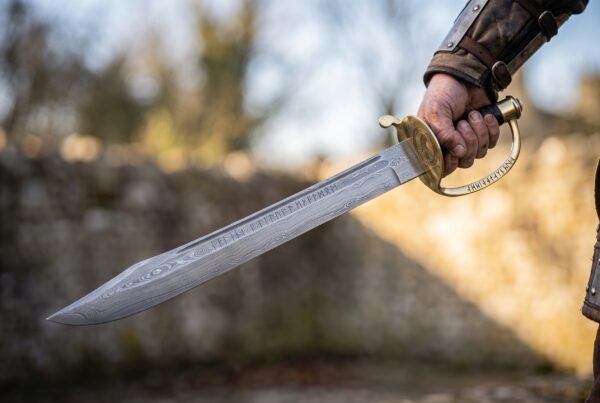
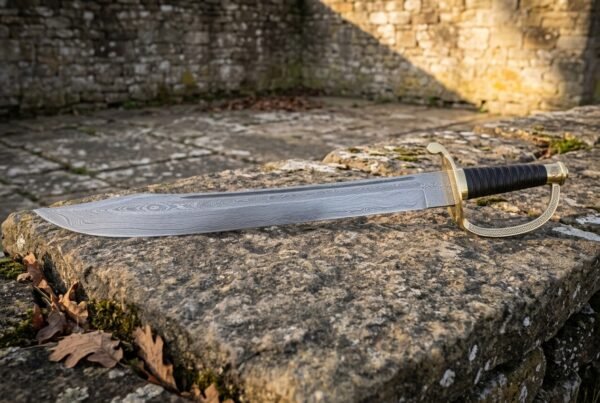
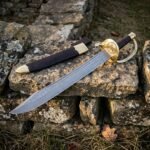
This Ravenhold cutlass is forged by hand in the Czech Republic. The blade is welded from 1095 and 15N20, drawn broad and heavy, hardened, tempered and etched. The hilt is filed brass with a raised shell carrying an engraved raven, a knuckle bow cut with Elder Futhark, and a ribbed dark brown leather grip. It ships with a brown leather scabbard mounted in brass, and shipping inside the United States is free.
Specifications
| Steel | 1095 and 15N20 forge welded Damascus, hand etched |
|---|
| Hardness | 58 to 60 HRC |
|---|
| Overall length | 28 inches |
|---|
| Blade length | 22 inches |
|---|
| Blade profile | Broad single edged blade with a deep belly and a narrow groove near the spine |
|---|
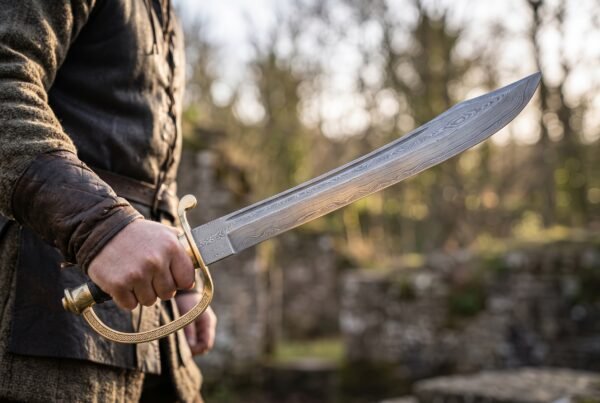
| Guard | Brass disc shell engraved with a raven inside a knotwork ring, hooked quillon and rune cut brass knuckle bow |
|---|
| Handle | Ribbed dark brown leather over a shaped core, brass ferrule and peened brass pommel cap |
|---|
| Scabbard | Dark brown leather scabbard with a brass throat and chape |
|---|
| Edge | Shipped with a working edge, sharpened on request at no charge |
|---|
| SKU | RK-1319 |
|---|
Distal taper, and why a short sword can feel long
Almost everyone judges a sword by its outline, and almost everyone is judging the wrong thing. Look at this cutlass edge on rather than flat on and you will see that the blade is noticeably thicker at the guard than it is near the point. That change in thickness along the length is called distal taper, and it does more to determine how a sword handles than the shape you see in a photograph.
A blade with no distal taper, a flat bar of even thickness, is dead in the hand. All that mass out at the end drags the point around, the sword is slow to start and slower to stop, and every miss costs you time you do not have in a confined space. A blade with a strong distal taper puts the metal where it does structural work, close to the guard where the leverage is highest, and takes it out where it only adds inertia. The result is a sword that feels light and quick even when it weighs the same on a scale.
The place where the two effects balance is the point of balance, usually a few inches ahead of the guard on a cutlass. Forward of that you get cutting authority; behind it you get control. Getting that point in the right place is not something you can grind in afterwards, because grinding removes metal from the edge where it is needed. It has to be forged, by moving steel along the blade while it is hot, and it is one of the clearest differences between a sword that was made and a sword that was cut out of plate.
Why Damascus and not stainless
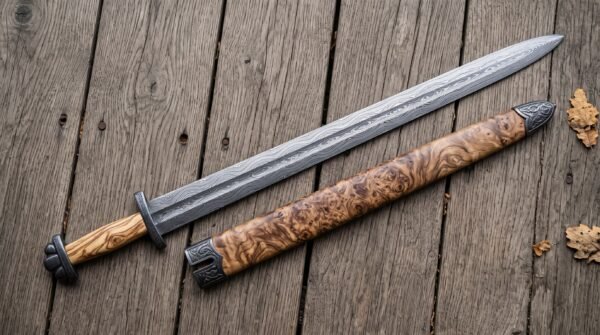
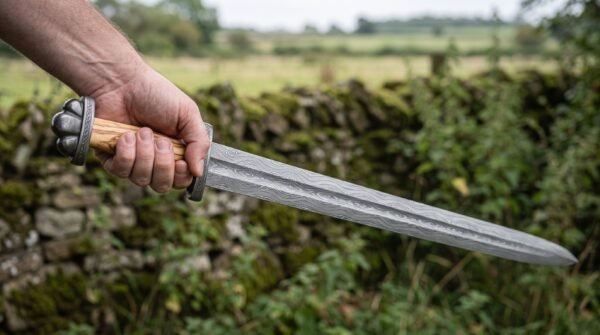
This blade is two steels welded into one. 1095 is a plain high carbon steel that hardens hard and etches dark. 15N20 carries about two percent nickel and stays bright under the same acid. Alternating layers are brought to welding heat and hammered until they fuse, then the bar is drawn, cut, folded and welded again, doubling the layer count each time. Only when the billet is done does it become a cutlass, so the pattern is stretched and compressed by the same hammer blows that set the belly and the taper.
Stainless steel cannot be pattern welded in a normal forge, because the chromium that makes it stainless builds an oxide skin at welding heat and the layers will not bond through it. And at the section a sword needs, enough chromium to resist corrosion makes the steel brittle. This blade runs 58 to 60 HRC at the edge with a spine that flexes and returns. The honest cost is that carbon steel spots if it is left wet, which is a real consideration on a sword whose whole tradition is salt water. Our full comparison is on the page covering Damascus versus stainless.
The brown leather grip and brass furniture
The grip is leather laid over a shaped core and bound into raised ribs between brass ferrules. Ribs give the fingers a hard edge to find, so the hand takes the same hold every time without looking, and they stop the palm creeping forward under a heavy cut, which matters most on exactly this kind of tip weighted blade. Leather swells slightly when it is damp, so unlike a polished wood or metal grip it gets more secure in the wet, not less.
The pommel is brass, peened over the tang, so the hilt is held by metal driven into metal rather than by glue. Brass is right for a hilt that gets handled: it files clean, it will not corrode in damp air, and it dents rather than cracks under a hard knock. Wipe the leather dry if it gets wet, keep it away from radiators and direct sun, and work in a little neutral conditioner once or twice a year. Do not soak it, because saturated leather stretches and the ribs go slack.
Engraving, runes and your own design
Use the rune converter on this page to turn a name, a date or a short phrase into Elder Futhark and we will cut it into the steel or the handle. If you would rather have a Viking pattern than a rune line, choose your own design in the engraving option above the add to cart button and tell us whether it goes on the blade or the handle. Where a piece already carries an engraved design, your chosen engraving replaces it rather than sitting alongside it. This cutlass already carries runes on the knuckle bow and a raven on the shell, while the blade flat is left clear, so tell us which surface you want used. Everything we can and cannot cut is set out on the engraving page.
Care and sharpening
The etched pattern is a shallow relief only a few thousandths of an inch deep, so abrasive polishing will flatten it. Clean with a soft cloth, never a scouring pad, and keep a thin film of oil on the steel. Wipe fingerprints off promptly, because skin acid keeps etching and leaves marks that stand out badly against the layers. Store the cutlass out of its scabbard for long periods, since leather holds moisture against steel. The full routine is on our steel care page.
Sharpening a bellied blade means moving the sword rather than your hands. Set the angle, then draw the blade across the stone so the contact point travels smoothly around the curve. Our guide to sharpening with a whetstone covers the whole method.
Made in the Czech Republic
This is a handmade piece from the Czech Republic, made in a workshop that still forges, grinds and finishes by hand instead of stamping parts out. The smiths there have kept the older way of working, and the wood, horn and leather are shaped and fitted by hand as well. Two pieces of the same design will never be identical, and that is part of what you are buying.
Ransack Viking is a United States company. We handle the import ourselves, look over every piece when it lands and ship from our warehouse in Chicago, Illinois. Engraving is done in the United States after the piece arrives, so your design goes on before we send it out.
A note on handmade variation
This cutlass is hand forged. It is not machine made and it is not bulk produced, so what arrives will not be a pixel for pixel copy of the photograph on this page. The Damascus figure belongs to the billet it was cut from and cannot be repeated. The shell is raised and filed by hand and no two sit exactly alike, the raven is cut with a graver so the line carries its own weight, and the leather will take the dye a shade lighter or darker. Dimensions, steel, hardness and build are the same every time. The character is not.
Frequently asked questions
Is the Damascus real?
Yes. Forge welded from alternating layers of 1095 and 15N20, so the pattern runs through the full thickness of the blade. It is not a surface etch and it will never sharpen off.
Does it arrive sharp?
It comes with a working edge that will cut paper. Ask in the order notes and we will take it up to a full cutting edge before it ships at no extra charge.
Can it actually be used?
Yes. Full tang, peened brass pommel, properly hardened and tempered steel. The short heavy blade is very effective on tatami, bottles and rope. It is not a sparring sword and must never be used against another blade or against a person.
Can I have runes engraved on it?
Yes. Use the rune converter on this page for Elder Futhark or pick your own Viking design, and tell us whether it goes on the blade, the bow or the shell. Your engraving replaces the existing work on that surface.
What is the difference between a pirate cutlass and a naval cutlass?
Mostly who paid for it. Naval patterns were made in thousands to a standard drawing, usually with a plain steel guard and no decoration, because the point was to arm a ship cheaply. A private boarding cutlass like this one was bought by the man carrying it, which is why the blade is shorter and thicker, the hilt is brass rather than iron, and there is engraving on it at all.
How long does shipping take?
Free inside the United States. Finished stock leaves us in two to four business days. Engraved Damascus pieces take three to four weeks.
What is in the box
- One Ravenhold hand forged Damascus pirate cutlass in 1095 and 15N20, 28 inches overall
- Brown leather scabbard with a brass throat and chape
- Care card covering oiling, etched surfaces, brass and storage
- Certificate of hand forging with the SKU recorded
- Forged and finished in the Czech Republic
Explore the range
Browse the rest of the cutlasses, the full damascus swords collection, the longer sabres, and the wider swords range. Background on pattern welding, balance and care is in the guides.
Worth a look beside this
Sitting beside it in the catalogue is the Sunwarden cutlass, 30 inches overall. Another in the same line is the Valknight cutlass, 29 inches overall. Next along the rack is the Tidewrack cutlass, 31 inches overall.
Fitting out further, the Knotwake broadsword belongs with it. Or start from a blank sheet on the design your own page.
Our HEMA line includes the Ostrevak steel dussack for drills and sparring, and our HEMA sabre range is the place to look next.

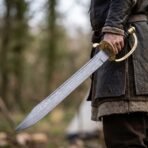
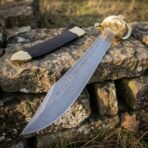
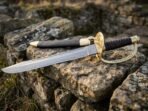
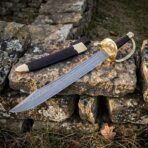
Solid piece. Glad I ordered it. Good overall quality. Just a couple very minor details off. Solid piece. Packaging could’ve been a bit sturdier. Still very happy with it and would recommend.
Not what I paid for. Quality felt well below what was shown in the listing. Not what I expected for the price paid.
Nice piece for the price. Solid piece. Packaging could’ve been a bit sturdier. Minor nitpicks aside, good quality piece.
This is exactly what I wanted and then some. The craftsmanship really shows in the small details. 10/10 would buy again.
Bought this on a whim and it turned out to be one of my favorite purchases this year. Feels way more premium in person than the listing photos. So worth it.
Knew this piece was special the second I opened the box. Packaging was excellent and it arrived in perfect condition. Beyond happy with how this turned out.
Got this as a gift and now I want one for myself too. Exactly as described and clearly made with care. Feels way more premium in person than the listing photos. Couldn’t be happier with this.
Did not expect this level of quality for the price. Feels way more premium in person than the listing photos. Nice touch that it ships from within the US even though it’s crafted in the Czech Republic. Shipping was fast and everything arrived well packaged.
Best piece I’ve ever owned. Feels way more premium in person than the listing photos. Exactly as described and clearly made with care. Packaging was excellent and it arrived in perfect condition. If you’re on the fence just get it. You won’t regret it.
I collect stuff like this and this piece is on another level. Feels way more premium in person than the listing photos. Already telling my friends to check this out.