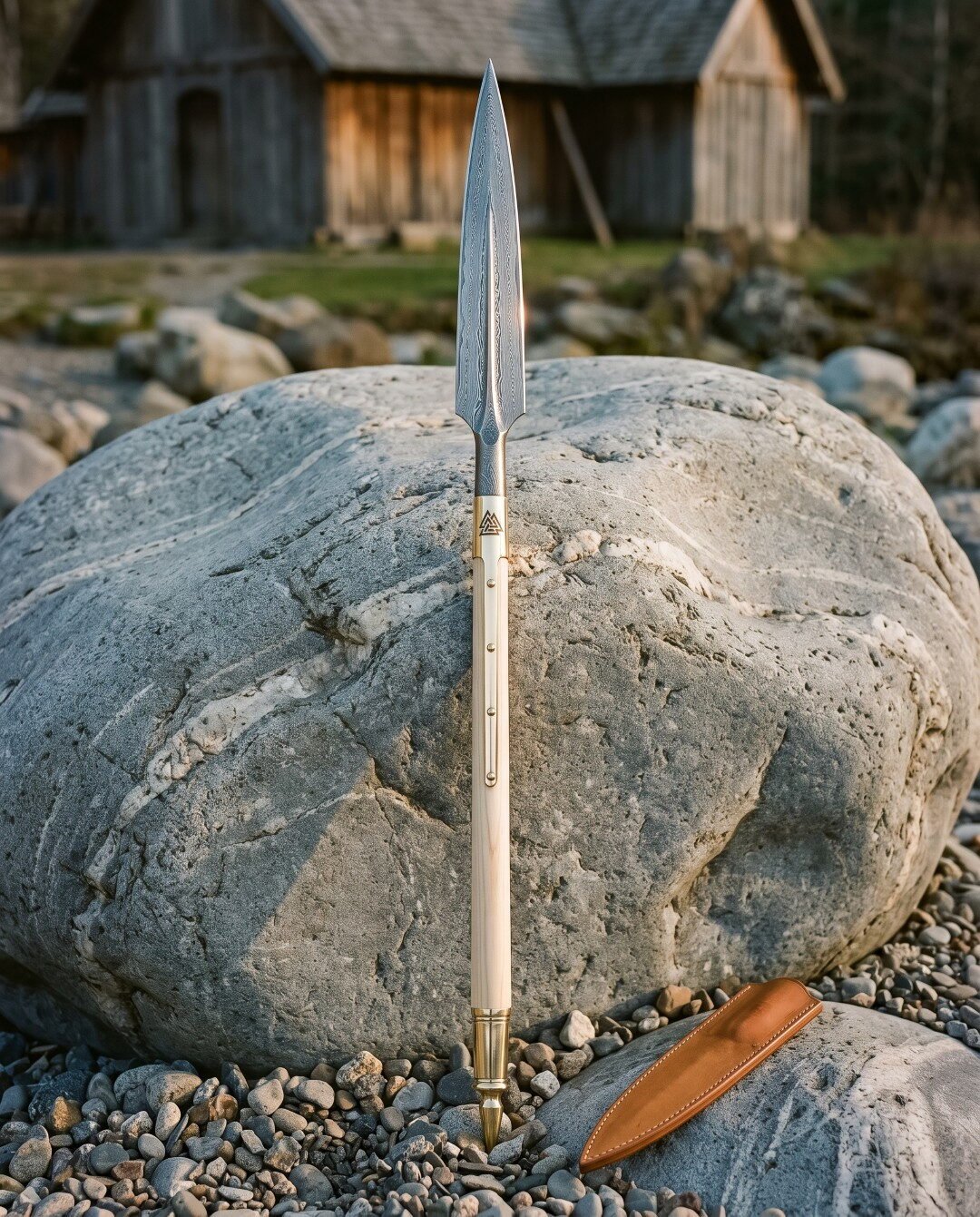
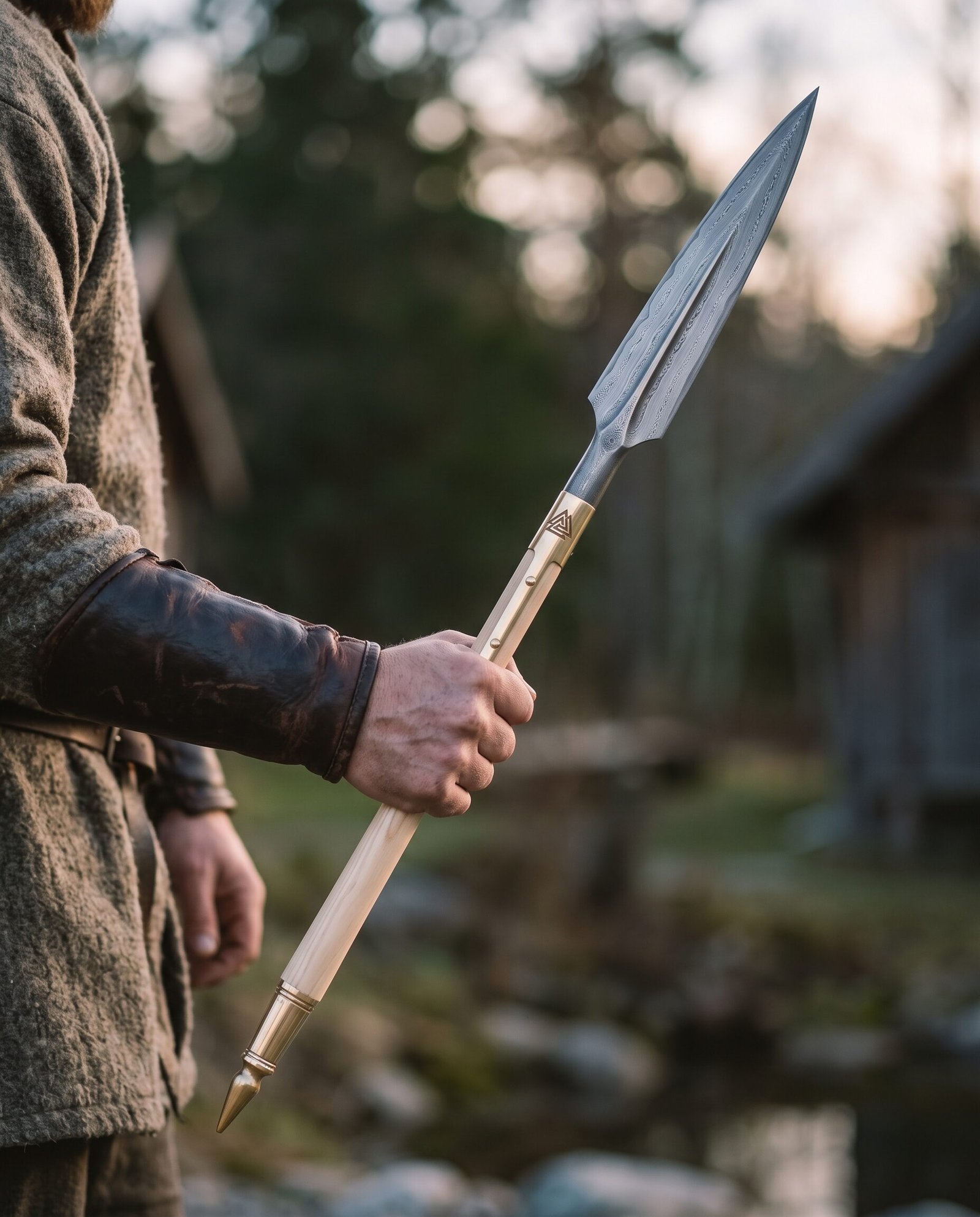
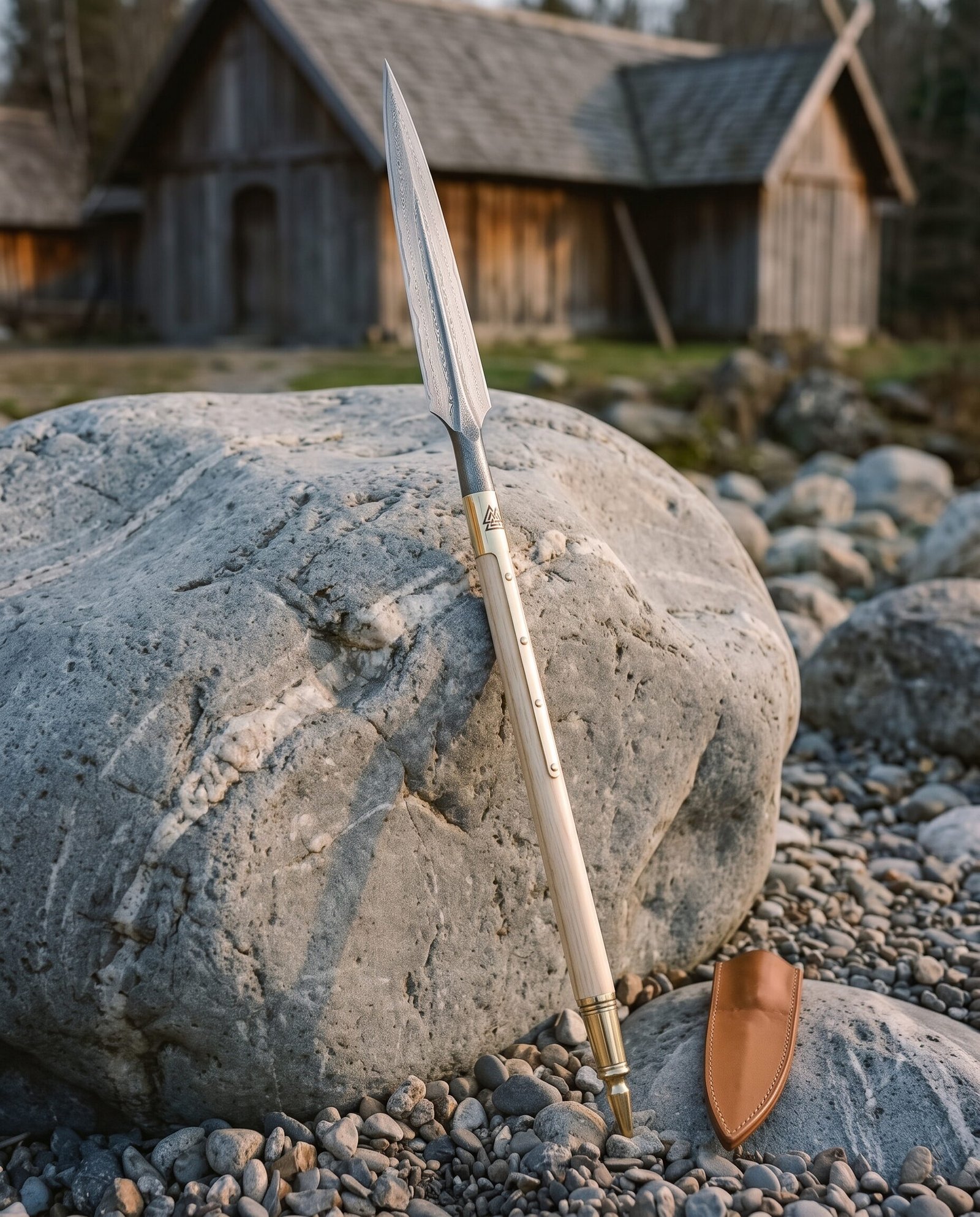
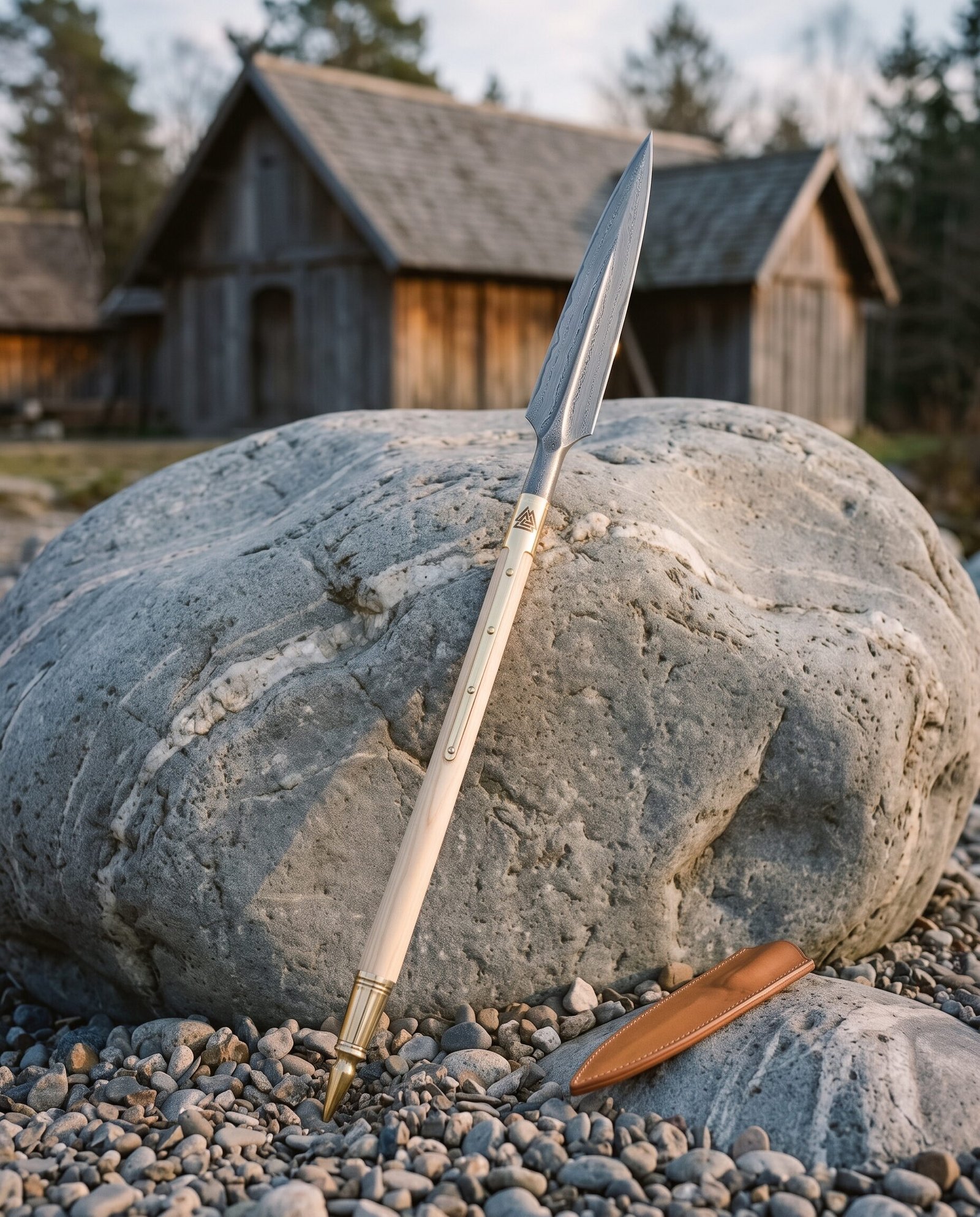
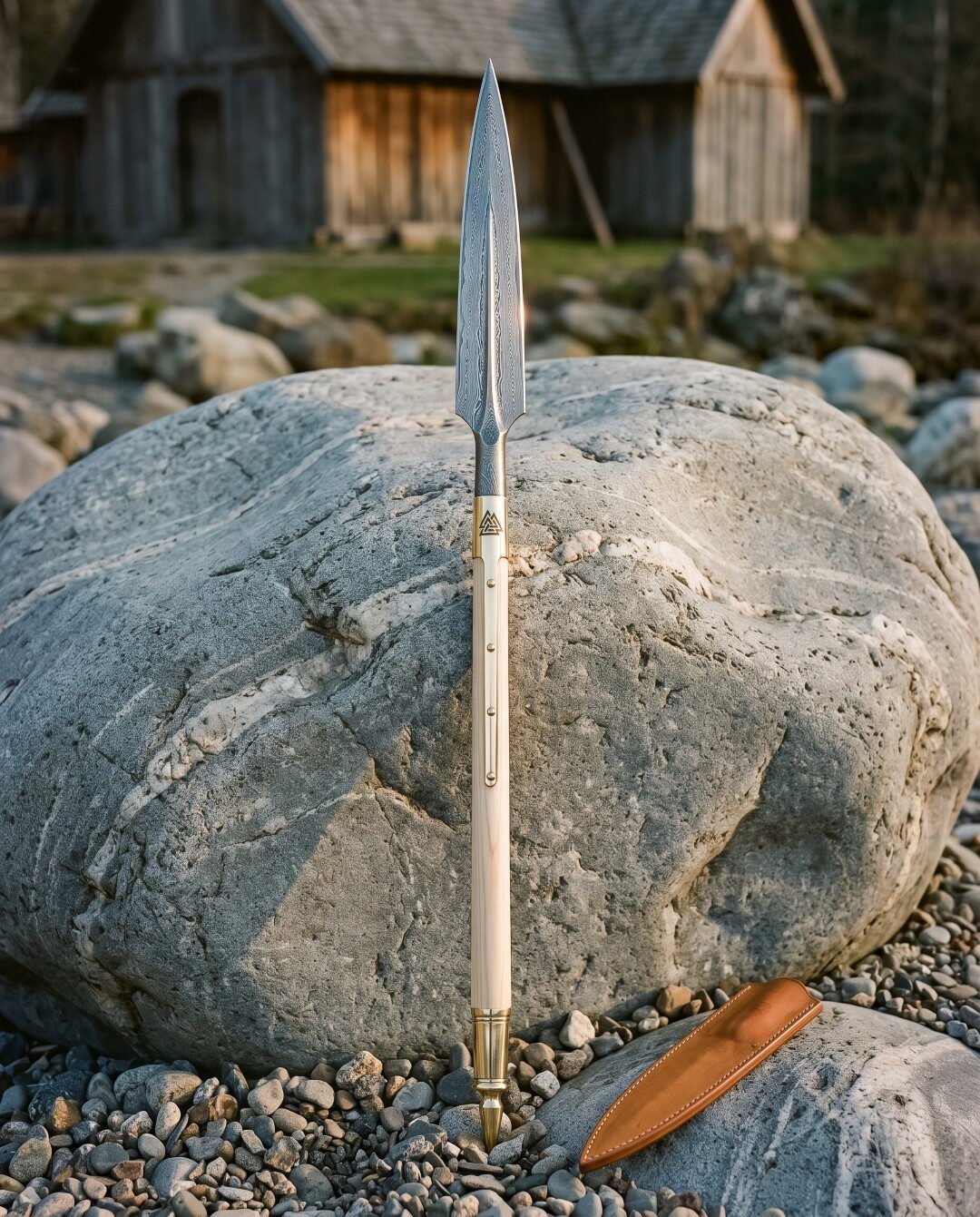
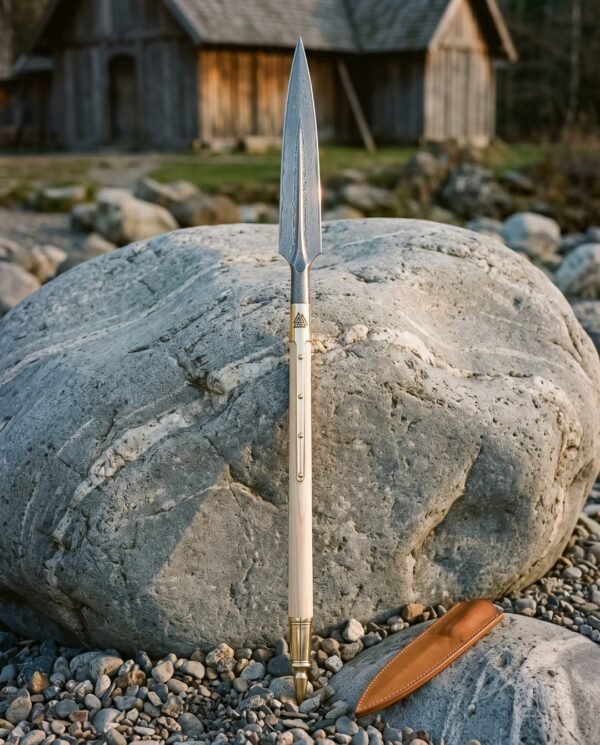
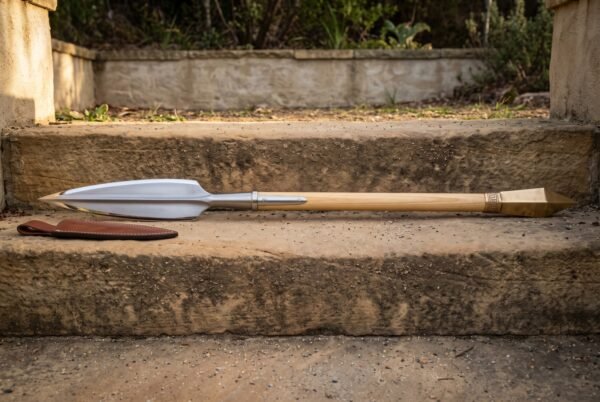
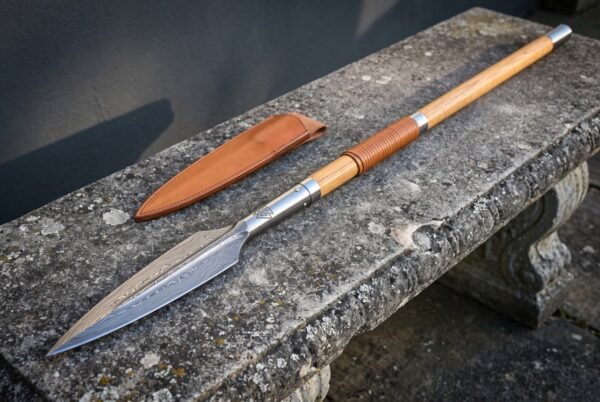
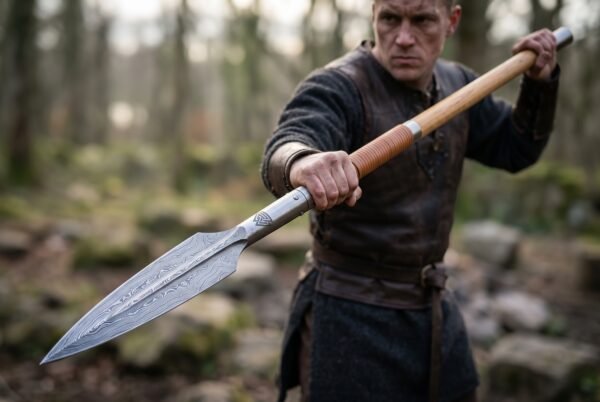
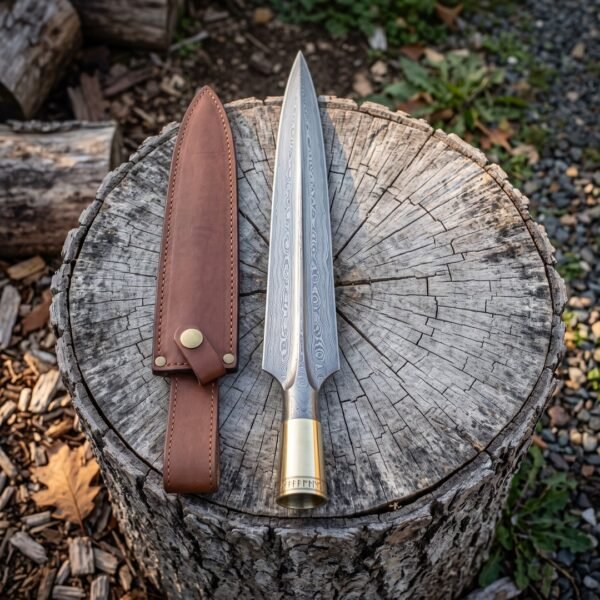
The Ashreach is a plain Viking spear, and plain is the point. A long narrow leaf head with a raised central spine, a socket, a brass ferrule stamped with a Valknut, a pale ash haft and a brass butt cap. No wings, no hooks, no fantasy silhouette. This is the shape that turns up more often than anything else in Norse graves and settlement finds, and it is the shape a Viking age fighter would actually have recognised as the standard arm of the age.
People tend to assume the sword was what a Viking carried. It was not. A sword took an enormous amount of scarce steel and skilled labour and belonged to the wealthy. A spear needed a modest head and a length of ash that anyone could cut, which is why Odin carries Gungnir rather than a sword, why the spear was the one thrown over an enemy army to dedicate them to him, and why the spear shows up in the archaeology at every social level. It also reaches further than anything else a man on foot can carry, which in a shield wall is the whole argument. Ours is forged, ground, etched and hafted in the Czech Republic, and it ships with a fitted leather point cover. It sits in the Viking spears, a step across from the Viking axes.
Specifications
| Blade steel | 1095 and 15N20 damascus, hardened to 58 to 60 HRC, hand etched to raise the pattern |
|---|
| Head | Narrow leaf profile with a raised central spine running to a stiff point, socketed |
|---|
| Edge | Ground and sharpened by hand along both edges of the leaf |
|---|
| Ferrule | Solid brass, engraved with a Valknut, directly under the socket |
|---|
| Langet | Brass strip running down the haft below the ferrule, fixed with four pins |
|---|
| Haft | Pale straight grained ash, sanded and sealed, pinned into the socket |
|---|
| Butt | Brass collar and pointed brass butt cap |
|---|
| Finish | Etched damascus head, satin brass, natural sealed ash |
|---|
| Included | Spear and a tan leather point cover |
|---|
| SKU | RK-1614 |
|---|
What the socket and the central spine are for
Two details on this head do all the structural work, and neither is obvious until someone points them out.
The first is the socket. A Viking spearhead is not a flat tang driven into a split stick. It is forged with a hollow cone at the base that swallows the end of the haft and is then pinned through. That matters because a thrust loads a spear in compression straight down the shaft, and a socket transfers that load into the whole circumference of the wood instead of into a slot that wants to split. It is also why a spearhead survives in the ground when the wood is long gone. The socket holds its shape.
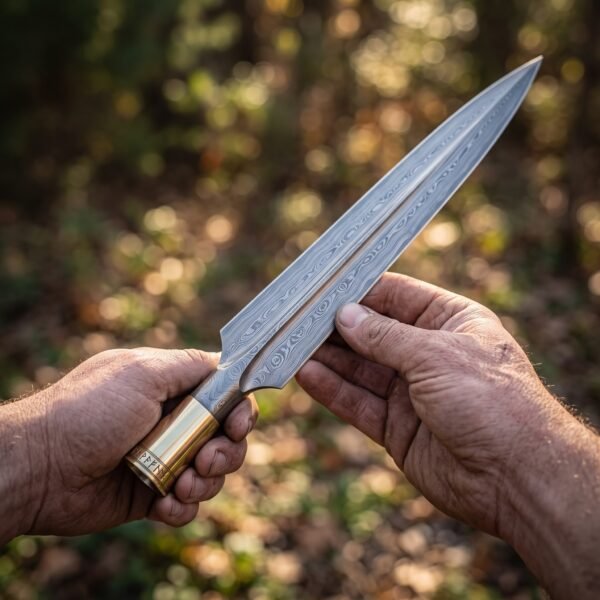
The second is the raised spine down the middle of the leaf. A flat blade of this length and width would flex and could take a permanent bend on a hard thrust. Forging a spine into the centre gives the head a shallow diamond section, which is stiff in the direction that matters and lets the edges be ground thin without the whole blade going floppy. You get penetration from the thin edges and stiffness from the spine at the same time.
The steel, the brass and the ash
The head is 1095 and 15N20 forge welded in layers, folded, drawn and then etched, so the nickel bearing 15N20 stands bright against the darkened 1095. That pattern is the real internal structure of the billet rather than any kind of surface print. It is hardened and tempered to 58 to 60 HRC, hard enough to keep a point and an edge and tough enough not to chip out at the tip.
The ferrule, collar and butt cap are solid brass. Brass was the period choice for spear fittings for a good reason beyond looks: it does not rust against wood in the way an iron collar will, and it moves at a similar rate to the wood through seasonal humidity so the fit stays tight. The Valknut is cut into the ferrule face where it sits directly under the head. The haft is ash, selected for long straight grain, sanded through the grits, sealed and pinned rather than only glued. Ash is what tool handles and shield boards were made from in the Norse world, because it takes shock and flexes rather than shattering.
Engraving, runes and your own design
Use the rune converter on this page to turn a name, a date or a short phrase into Elder Futhark and we will cut it into the steel, the leather or the wood. If you would rather have a Viking pattern than a rune line, choose your own design in the engraving option above the add to cart button and tell us where it goes. Where a piece already carries an engraved design, your chosen engraving replaces it rather than sitting alongside it. On this spear that means your mark takes the place of the Valknut on the ferrule, or goes onto the haft below the collar. See the engraving page for placement and depth.
Handling and balance
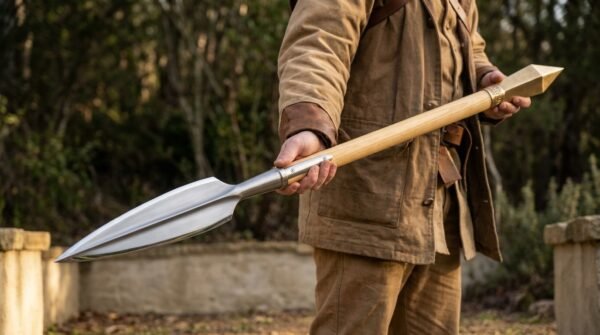
A narrow leaf head weighs less than a broad one, so this spear balances closer to the centre of the shaft and feels quicker in the hand than its length suggests. The working grip is both hands on the shaft, back hand near the butt cap, front hand about a third of the way up, thumbs along the wood rather than wrapped. Thrusts are driven from the back hand and aimed with the front.
In a shield wall the spear is used over the top of the shield or through the gap between two shields, which is why the head is narrow rather than broad. A narrow head goes in and comes back out. Grounding the spear, plant the butt cap against the inside of your foot and set the shaft at an angle so the load runs into the ground rather than into your wrists. Keep the leather point cover on it whenever the spear is being carried, stored or moved through a doorway.
Care
Damascus is high carbon steel and it will rust if you leave fingerprints on it. Wipe the head after handling and keep a light film of mineral oil or a proper blade oil on the etched surface. Surface spotting comes off with oil and a soft cloth. Do not attack it with abrasive paper, which cuts through the etch and leaves a bright scar in the pattern. Full detail sits in steel care.
Give the ash haft a wipe of boiled linseed or hard wax oil once or twice a year, more often if the spear lives in a dry heated room. Brass darkens naturally to a soft gold. Polish it back with a brass cloth or leave it, both are fine. Feed the leather point cover so the fold does not go hard and split.
Made in the Czech Republic
This is a handmade piece from the Czech Republic, made in a workshop that still forges, grinds and finishes by hand instead of stamping parts out. The smiths there have kept the older way of working, and the wood, horn and leather are shaped and fitted by hand as well. Two pieces of the same design will never be identical, and that is part of what you are buying.
Ransack Viking is a United States company. We handle the import ourselves, look over every piece when it lands and ship from our warehouse in Chicago, Illinois. Engraving is done in the United States after the piece arrives, so your design goes on before we send it out.
A note on handmade variation
This is hand made, not machine made and not bulk produced, so what arrives will not be a pixel for pixel copy of the photograph. Grain, tone, hammer texture and exact profile vary because each piece is worked by hand from natural materials. Ash runs from near white to a warm straw colour board to board, brass tones differ, and the damascus pattern is unique to the billet your head came from. The dimensions, the material and the build are the same every time. The character is not. Anyone new to this should read the Viking spear first, then how steel and hardness actually work.
Frequently asked questions
Is this sharp when it arrives
Yes, both edges of the leaf are ground and sharpened and the point is stiff. It arrives ready to use and the leather cover is there for a reason.
Can I take the head off the haft
The head is socketed and pinned. It can be removed by driving the pin out, which is useful for shipping or for wall mounting, but it is not designed to be taken apart often.
Can I shorten the haft
Yes, cut from the butt end and refit the brass cap. Do not cut from the socket end without pulling the pin first.
Is this a throwing spear
It is built as a thrusting spear. The head is stiff and the fittings are solid, and repeated hard throws onto ground or targets will loosen a pinned socket over time regardless of who made it.
Can I put a name on it instead of the Valknut
Yes. Runes or your own design replace the Valknut on the ferrule rather than sitting alongside it. The rune converter on this page will show you the Elder Futhark spelling.
What is the delivery time
One to two weeks of processing plus transit. Engraved orders sit at the longer end of that. Shipping within the United States is free.
What is in the box
- One Ashreach Viking spear with a damascus leaf head, brass Valknut ferrule and ash haft
- One tan leather point cover
- Care card covering blade oiling and haft finishing
- Forged and finished in the Czech Republic
Explore the range
See more in Viking spears, Norse arms, glaives and polearms and Viking axes, or read the guides.
Also in this part of the catalogue
Sitting beside it in the catalogue is the Ashfang Viking spear, 60 inches overall. Another in the same line is the Serpentcast Viking spear, 74 inches overall. Next along the rack is the Ashgleam Viking spear, forged from 1095.
Fitting out further, the Reedfork polearm belongs with it. Or start from a blank sheet on the custom Norse arms page.
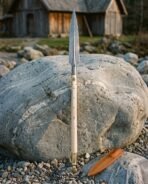
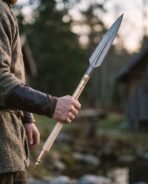
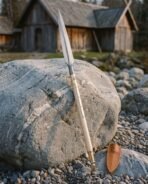
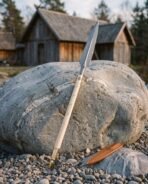
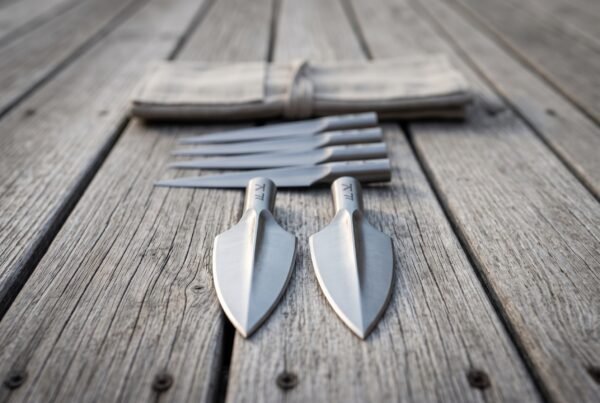
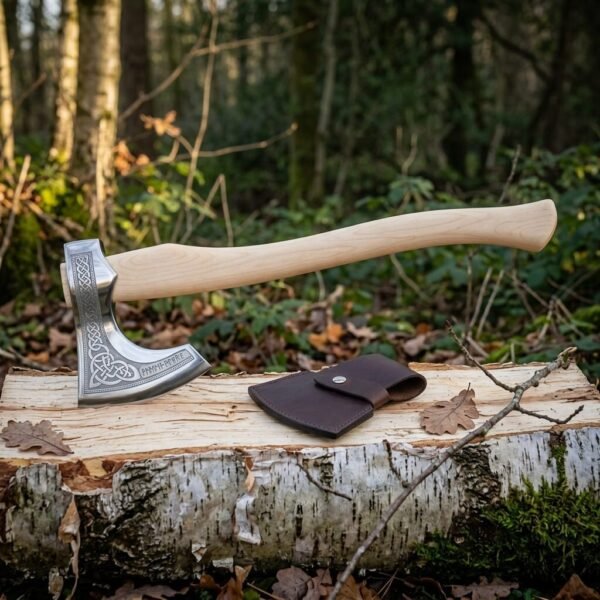
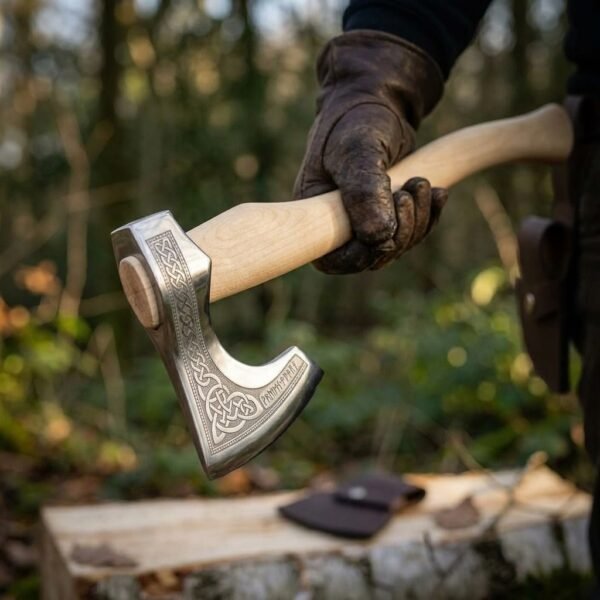
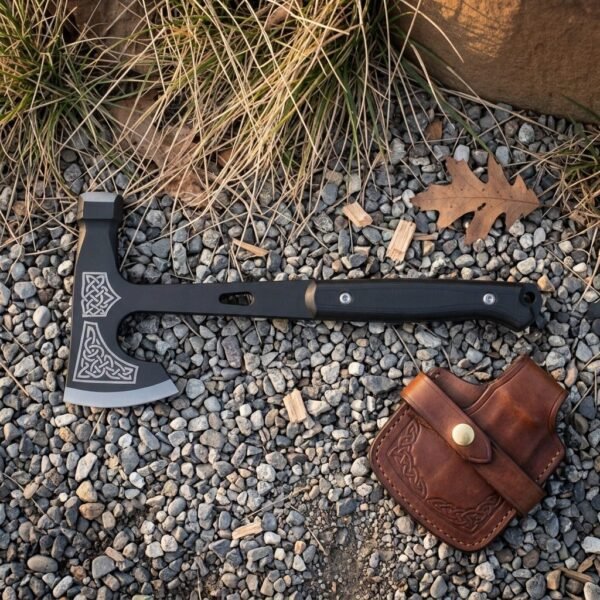
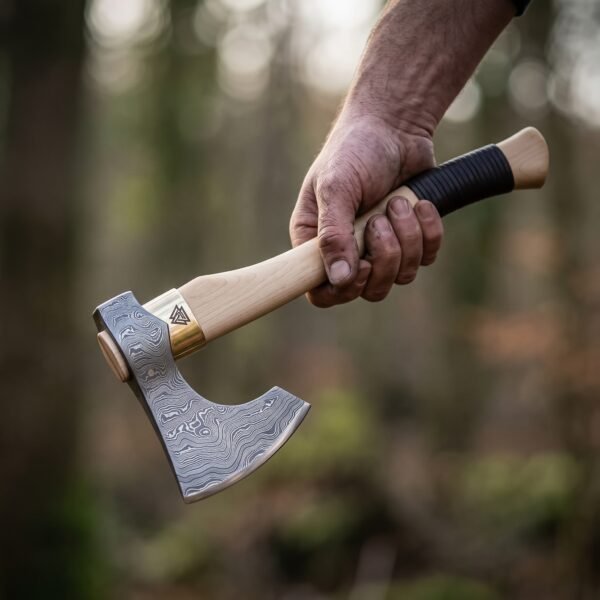
So happy I finally pulled the trigger on this one. Beyond happy with how this turned out.
Really happy with this polearm overall. Head is well made. Just wish the wood grain was a bit more even. Haft is solid though a touch shorter than I pictured. Still very happy with it and would recommend.
Can’t stop showing this off to everyone who comes over. Love that this is Czech craftsmanship and shipping from the US meant it showed up in just a few days. Steel head is heavy in a good way. You can tell it’s not hollow. Haft feels sturdy and well balanced for the size of the head. This is going straight into my display case.