
Blog
Renaissance Faire and Reenactment Kit: What to Actually Bring

The gap between a good kit and a bad one is not money. It is knowing what people actually look at, what you will still be wearing at four in the afternoon in August, and what the event will confiscate at the gate. Most first kits fail on one of those three and it is almost never the interesting one.
This is a practical list rather than an aesthetic one. It assumes you want to turn up, be comfortable, not get stopped by a marshal, and end the day still liking the hobby.
First, Decide Which Thing You Are Doing
These get lumped together and they have different rules. A renaissance faire is a commercial event with a broad tent: accuracy is welcome, entertainment is the priority, and nobody is going to interrogate your stitching. Historical reenactment is a documented hobby with standards, often a period cutoff and a kit inspection, and a group that will tell you politely and then less politely if your boots are wrong. Live action roleplay is its own thing again, with safety rules that override authenticity every time.
Buy for the one you are actually attending. A group’s kit guidelines beat every general article on the internet, this one included, and most groups will happily send them to you before you spend anything.
The Base Layer Decides Everything
Start with the tunic or the dress, because everything else hangs off it. Linen and wool are the two materials that look right and behave right. Linen breathes, creases in a way that reads as period, and dries fast. Wool is warmer than you expect and better in the evening than anything synthetic.
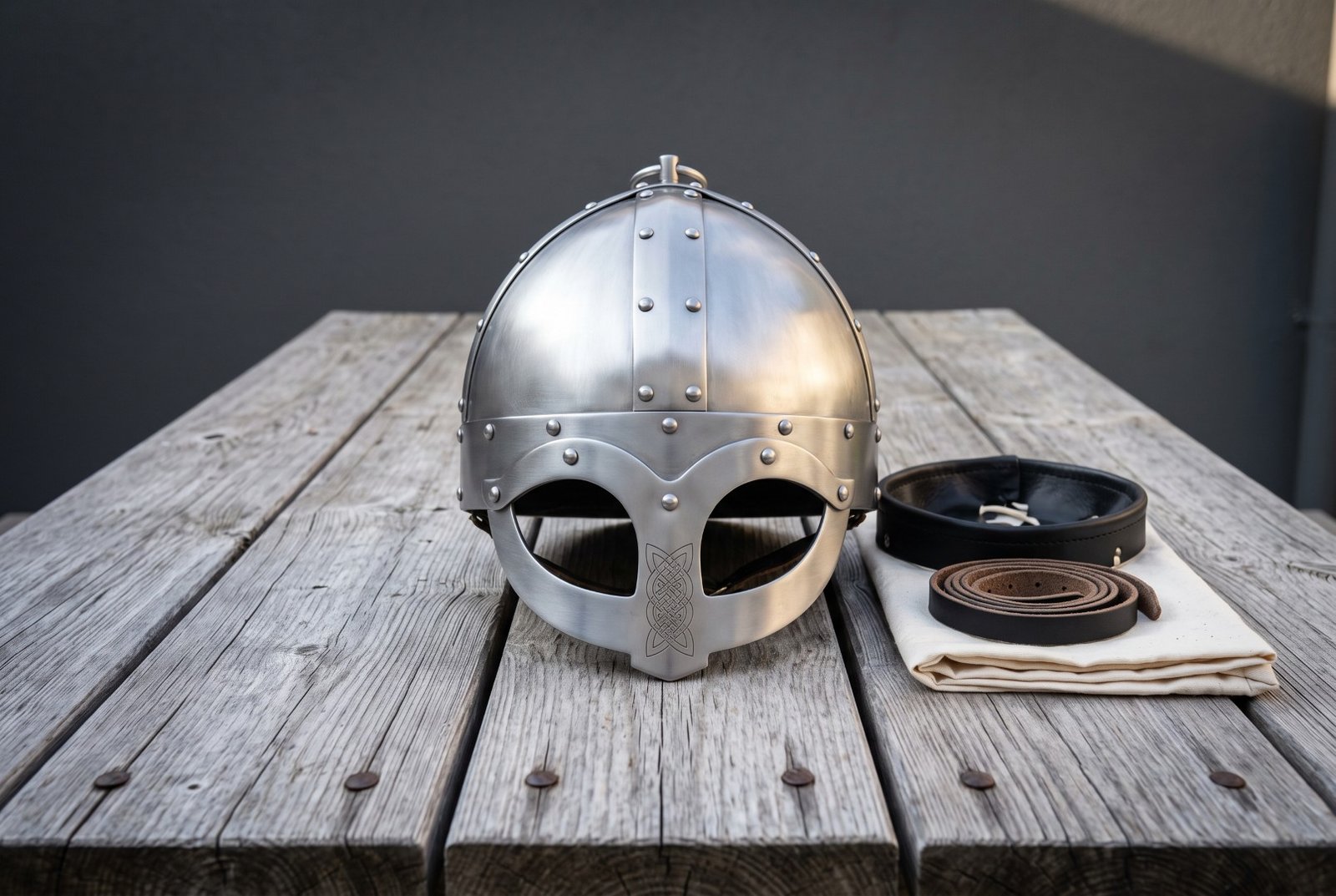
 Skyglass Hand Forged Steel Viking Spectacle Helmet | 18 Gauge Mild Steel | Riveted Eye Guards and Padded Leather Liner | Norse Reenactment Gift | RK-1590
 Ringward Hand Made Steel Viking Round Shield | Domed Centre Boss and Riveted Rim | Engraved Norse Knotwork Band with Leather Arm Strap | Norse Display Gift | RK-1797
 Amberdraught Hand Made Valknut Drinking Horn and Oak Stand | Pale Natural Ox Horn | Solid Brass Rim Band with Tan Leather Belt | Norse Wedding Gift | RK-1685
Polyester is the giveaway. It photographs with a sheen, it does not crease properly, and after four hours in the sun it will make you miserable in a way that no amount of authenticity points can compensate for. If the budget only stretches to one good item, make it this one.
Fit matters more than trim. A tunic that hangs to mid thigh with enough room to move looks right; a tight one looks like a costume. Trousers should be loose and wrapped or tied at the calf if you are going Norse.
Footwear, the Most Common Mistake
People spend a fortune on a helmet and turn up in trainers. Shoes are at eye level for every photograph taken from the side and they are the thing you will regret most after eight hours on grass and gravel.
Turnshoes, the flexible leather type with the seam turned inside out, are the correct answer for the Norse and medieval periods and they are also almost no protection from a stone. Many reenactors wear a modern insole inside them and quietly say nothing. If you cannot get proper shoes yet, plain dark leather boots without visible modern hardware are far better than anything with a logo.
The Belt, and What Hangs From It
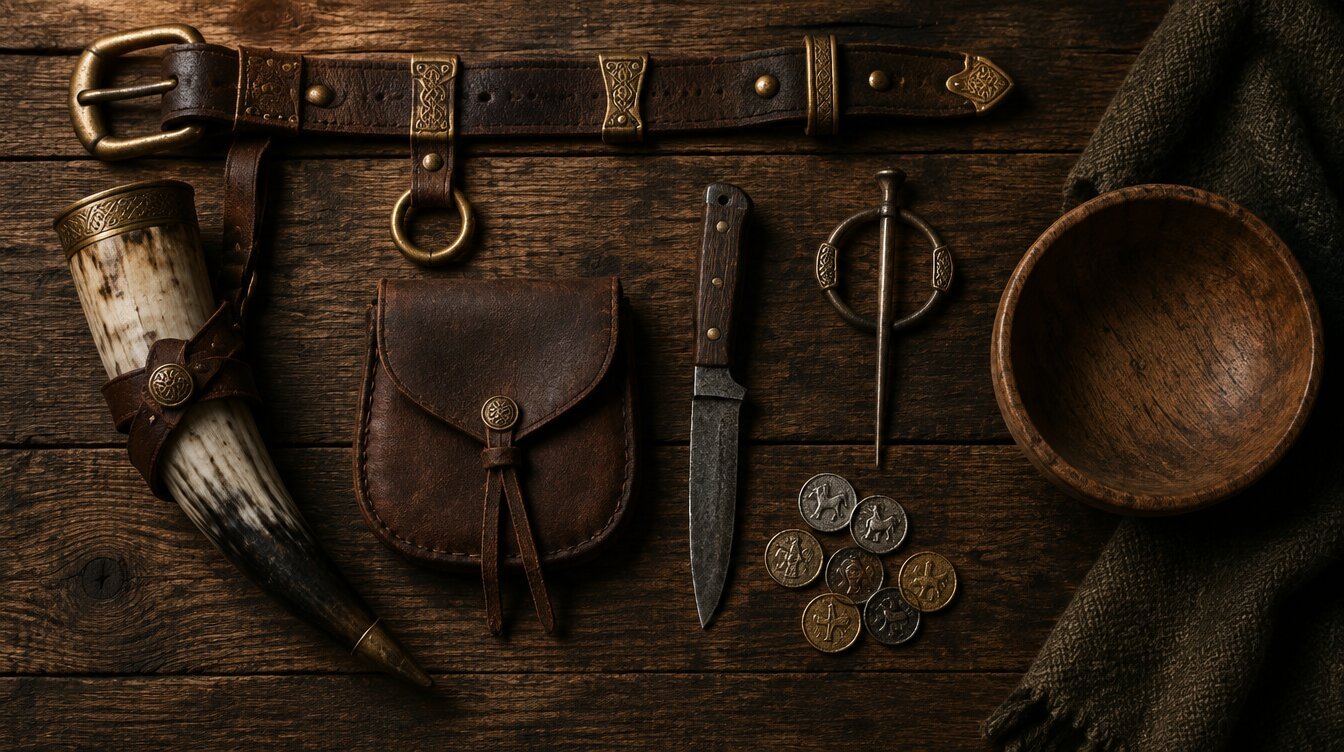
The belt is load bearing. It carries the pouch, the knife, the horn and often the axe, and a thin fashion belt will fold. Take full grain leather, at least an inch and a quarter wide, with a plain buckle. Norse belts were often narrower than people expect, with the tongue end left long and hanging.
On it: a pouch, because pockets did not exist and your phone has to go somewhere. A small eating knife, which is the single most authentic and most useful item in any kit. A drinking vessel, since most events sell drink and few sell cups you would want photographed. Belts and buckles are in Viking belts and buckles.
Headwear and the Horned Question
No horns. Not because anybody will throw you out, but because it is the one detail that instantly tells everyone at the event how much reading you have done. No horned helmet from the Viking Age has ever been excavated, and the picture comes out of nineteenth century opera and illustration. The full story is in the horned helmet myth.
What is correct is a plain rounded cap, often built from riveted plates, sometimes with a nasal or a spectacle guard. What most Viking Age fighters actually had is nothing at all, since iron was expensive and a helmet marked wealth. A simple cloth or leather cap is entirely defensible and much cooler in summer. If you do want steel, what Viking helmets looked like covers the evidence and buying a Viking helmet covers fit and gauge. The range is at Viking helmets.
The Shield
A round shield is the strongest single visual item you can carry and the one most likely to be left leaning against a fence by lunchtime. Weight is everything. Historical round shields were built from thin planks, around a centimetre or less, faced with hide or linen, with an iron boss over a cut out handgrip. They were light because they had to be carried.
Modern reproductions are frequently far heavier, which looks impressive and is exhausting. Ask the weight before you buy, and if it is going on a wall rather than on your arm, say so and buy accordingly. The construction evidence is in Viking shields explained, mounting is covered in choosing a shield for display, and the shape question for later periods is in round shield against kite shield. The range is at Viking shields.
Blades and Axes, and the Gate
Every event has rules and they differ. Many renaissance faires require sharps to be peace bonded, which means tied into the sheath so they cannot be drawn, and some ban them outright. Combat reenactment groups use blunted steel with rolled edges and thick tips, and will not let a sharp anywhere near the field. Check first, because being turned away at a gate with an axe in your hand is a memorable afternoon for the wrong reasons.
For a Norse impression the two items that carry the most weight for the least trouble are a seax and a small axe. The seax is the knife every free person carried, useful, unthreatening at the smaller sizes and correct for the period; the range is at Viking seax and the background is in the seax. The axe is the cheap, common, honest choice: most fighters had one, most did not have a sword. Shapes and sizes are in what a bearded axe is, with the range at Viking axes.
Armour, and Whether You Need Any
You almost certainly do not, for a first season. Mail is heavy, hot and expensive, and it needs a padded garment underneath or it will bruise you and cut into your shoulders. Leather bracers and a padded coat give most of the visual effect for a fraction of the weight and cost. What was actually worn, and how thin the evidence is, is in Viking armour explained, and upkeep is in caring for chainmail.
If you do go for mail, remember the maintenance. Steel rings rust in a canvas bag in a damp garage faster than you would believe. Leather pieces are in leather armor.
The Drinking Horn
A horn is the one accessory that earns its place at almost every event, because you will be drinking all day and a horn is both correct and conspicuous. Two practical points. Check that it is sealed inside, since raw horn imparts a taste that people describe generously as earthy. And accept that a horn does not stand up, which is why a belt hanger or a stand is not optional but part of the object.
Capacity matters more than decoration: anything past about a pint becomes a commitment. Sealing, capacity and care are covered in buying a drinking horn, the history is in the Viking drinking horn, and the range is at drinking horns.
What to Leave at Home
Anything with a visible modern fastening. Watches. Sunglasses, unless the event is relaxed about it and your eyes need them, in which case wear them and stop worrying. Plastic anything that will be photographed. Sharps at events that ban them. And the enormous fantasy piece you bought first, which is fine at a faire and will get you a quiet word at a reenactment.
A First Kit, in the Order Worth Buying It
| Priority | Item | Why it comes first |
|---|---|---|
| 1 | Linen or wool tunic or dress | Everything else hangs off it and it fixes the silhouette |
| 2 | Belt and pouch | Carries the rest and gives you somewhere to put a phone |
| 3 | Plain leather footwear | The most visible mistake and the most painful one |
| 4 | Eating knife or small seax | Useful, correct, and accepted almost everywhere |
| 5 | Drinking horn or wooden cup | You will use it all day |
| 6 | Cloak or wool wrap | Evenings are colder than the forecast says |
| 7 | Axe | The common, honest piece of war gear for the period |
| 8 | Shield | Great in photographs, heavy by mid afternoon |
| 9 | Helmet | Expensive, hot, and the last thing you actually need |
| 10 | Mail or scale | Buy it when you know you are staying in the hobby |
The Things Nobody Tells You
Water. More than you think, in something that does not look modern, or in a bottle kept in a pouch you can turn your back to. Heat is the most common reason people leave an event early, and wool in direct sun is a serious matter.
Bring a bag you can stash out of sight for the modern items, plus a spare pair of socks, some blister plasters and a bit of cord, which fixes more kit failures than any other item. Learn to sit down in your kit before the day, because a lot of clothing that looks correct standing up does not survive a bench.
And take a photograph of yourself in the whole outfit before you leave the house. Things that feel right in a mirror can read very differently in a picture, and the picture is what everybody else sees.
Building Up Over Seasons
The people whose kit you admire got there over years, one item at a time, replacing the early compromises as they learned what mattered. That is the normal path and it is cheaper than trying to buy a finished impression in one go. Ideas for filling the gaps, including for other people’s kits, are in gifts for reenactors.
Ransack Viking is a US company in Chicago, Illinois. Everything is made by hand in the Czech Republic, then imported, inspected and shipped from Chicago, where any engraving is cut after arrival. US orders ship free and tracked, with no import duty or customs delay, and everything carries a lifetime warranty against defects with no end date. The rest of the writing is in the guides.
Questions people ask
What should I buy first for a renaissance faire outfit?
A linen or wool tunic or dress, then a proper leather belt with a pouch, then plain leather footwear. Those three fix the silhouette, which is what people actually notice. Steel and shields can wait, because they are heavy, expensive and less visible than you assume.
Can I bring a real axe or knife to a faire?
It depends entirely on the event. Many faires allow sharps if they are peace bonded into the sheath, some ban them completely, and combat reenactment groups will only allow blunted steel on the field. Read the rules before you travel, because the gate is not the place to find out.
Should I wear a horned helmet?
No. No horned helmet has ever been found in a Viking Age context, and the image comes from nineteenth century stage design and romantic art. Most fighters of the period had no helmet at all, so a plain cloth or leather cap is both more accurate and considerably cooler.
How heavy should a Viking shield be?
Lighter than most reproductions. Excavated boards were built from thin planks, often around a centimetre thick or less, faced with hide or linen. If a shield is too heavy to hold up comfortably for an hour, it is a wall piece rather than a field piece, and there is nothing wrong with owning it as one.
What should I wear on my feet?
Plain dark leather with no visible modern hardware, and turnshoes if you can get them. Trainers ruin every photograph taken from the side and are the single most noticed error in a beginner kit. A modern insole inside a correct shoe is a compromise almost everyone quietly makes.
Do I need chainmail?
Not for a first season. It is heavy, hot, expensive, needs a padded garment under it and rusts if stored badly. Leather bracers and a padded coat give most of the visual effect at a fraction of the cost, and you can buy mail later once you know you are staying.
Is linen or wool better?
Linen for heat and for the way it creases, wool for cold and for evenings. Both are correct for the period. Polyester is the one to avoid, because it has a sheen that shows in photographs and it will make a hot day genuinely unpleasant.
How do I stop a drinking horn tasting strange?
Buy one that is sealed on the inside, and rinse it with warm water rather than boiling, which can damage both the horn and the seal. Dry it standing on its rim in a stand rather than leaving liquid sitting in the tip, which is where the smell starts.
On the shelf
If you are shopping rather than reading, the Palewarden linen gambeson and the Hoodwarden chainmail coif are the nearest match. Also worth opening, the Oathgird arming sword and the Knotcinch Viking leather belt.
If the faire leads to fencing
Renaissance kit has a way of turning into a rapier habit. Rapier or sidesword sorts out the two blades people mix up, and the Ceravalt rapier trainer has a rolled tip for club nights. More are under HEMA rapiers.
Shop the range
Skyglass Hand Forged Steel Viking Spectacle Helmet | 18 Gauge Mild Steel | Riveted Eye Guards and Padded Leather Liner | Norse Reenactment Gift | RK-1590Ringward Hand Made Steel Viking Round Shield | Domed Centre Boss and Riveted Rim | Engraved Norse Knotwork Band with Leather Arm Strap | Norse Display Gift | RK-1797Amberdraught Hand Made Valknut Drinking Horn and Oak Stand | Pale Natural Ox Horn | Solid Brass Rim Band with Tan Leather Belt | Norse Wedding Gift | RK-1685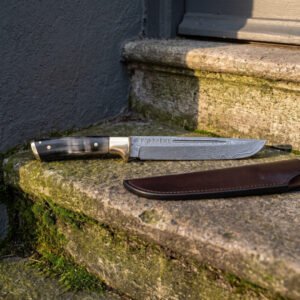 Hornsax Hand Forged Damascus Steel Broken Back Seax | 12 Inch Overall Length | Horn Handle with Rune Etched Blade and Brass Fittings | Norse Belt Knife Gift | RK-2157
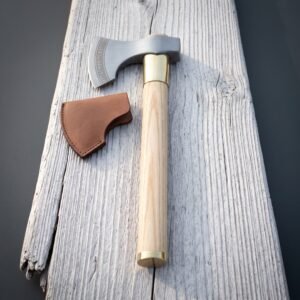 Runebite Hand Forged High Carbon Bearded Axe with Elder Futhark Engraved Cheek | Ash Haft and Brass Collar | Leather Blade Sheath | Norse Woodsman Gift | RK-2175
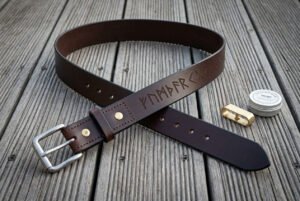 Runestrap Hand Made Dark Brown Leather Rune Belt | Full Grain Strap with Stamped Elder Futhark Line | Brushed Steel Tongue Buckle, Brass Rivets and Leather Balm | Norse Gift | RK-1642